Read More






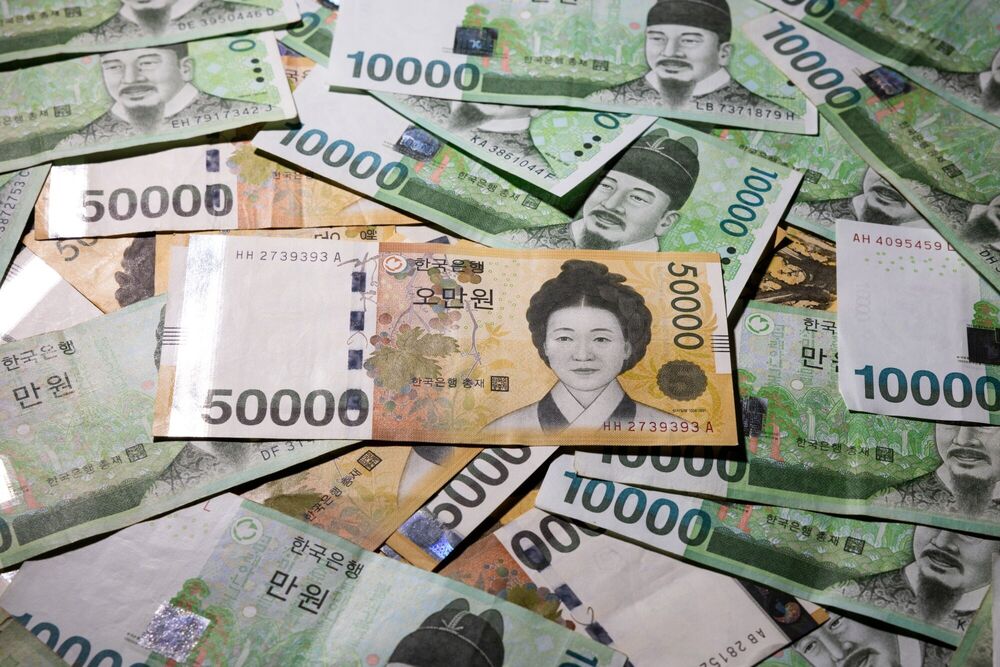
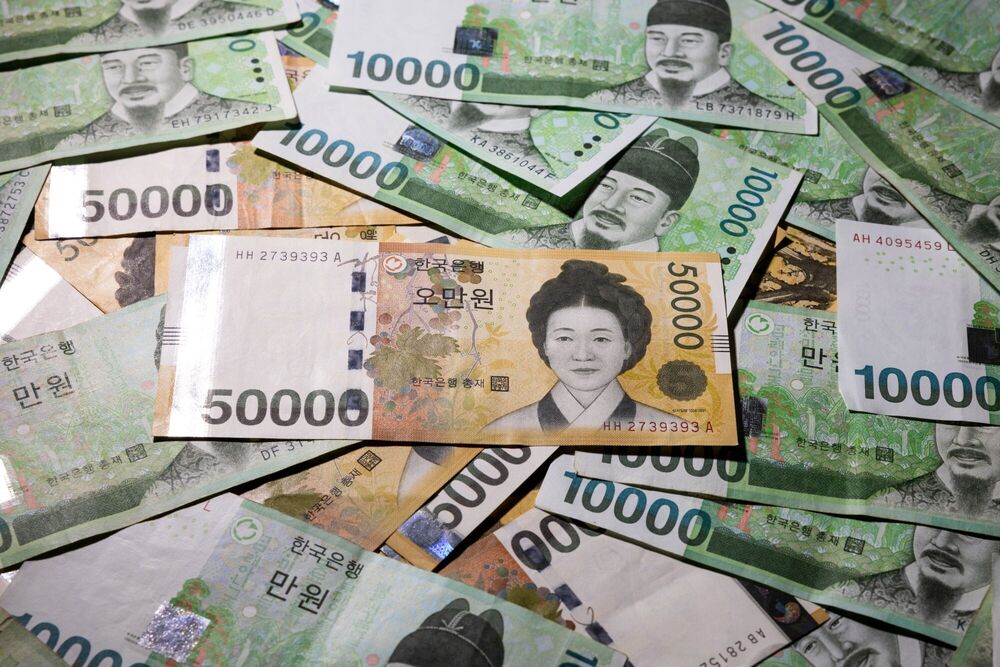
South Korea is dusting off a tool last used 21 years ago to help stabilize its currency: issuing up to 20 trillion won (HK$108.4 billion) in special bonds.
Officials in Seoul are set to offer an initial 800-billion-won tranche of one-year securities on Thursday to top up the country’s foreign exchange stabilization fund, which authorities use to fund interventions to quash volatility in the won. The Finance Ministry auction is held from 9:40am to 10am local time, with results due later in the day.
The issuance comes as governments across Asia grapple with historically weak currencies, with the prospect of tariffs from the Trump administration adding to the pressure. India is showing signs of loosening its vice-like grip on the rupee, while Indonesia this week announced new restrictions on firms’ repatriation of overseas earnings.
Korean policymakers have also been at pains to boost lackluster economic growth and counter what they term “excessive volatility” in the currency, though they don’t disclose details of their interventions immediately.
Authorities bought a net US$192 million (HK$1.5 billion) worth of foreign exchange to curb volatility in the third quarter of 2024, according to the most recent data. The National Pension Service has also begun selling US dollars, according to people familiar with the matter, a move that could result in purchases of about US$50 billion worth of local currency.
South Korea’s won sank to its weakest versus the dollar since 2009 late last month, weighed down by interest rate cuts and political uncertainty from the short-lived martial law decree by President Yoon Suk Yeol. The turmoil weakened the exchange rate by about 30 won, the Bank of Korea governor Rhee Chang-yong said.
Faced with a drop in tax revenue, the government slashed the size of the stabilization fund 140.3 trillion won this year, from 205.1 trillion won in 2024. The decision to sell won bonds on Thursday also stems from the revenue shortfall because officials filled the gap by tapping sources such as the stabilization fund.
This month’s sale of foreign exchange stabilization debt is expected to be followed by further auctions. The Finance Ministry has said 12 percent to 15 percent of the volume will be offered in the first quarter, rising to 40 percent to 45 percent in the first half of 2025. The issuance amount is considered to be sufficient for smoothing market volatility, according to the ministry.
The Finance Ministry’s last local-currency denominated stabilization bond was sold in 2003.
(Bloomberg)