Read More






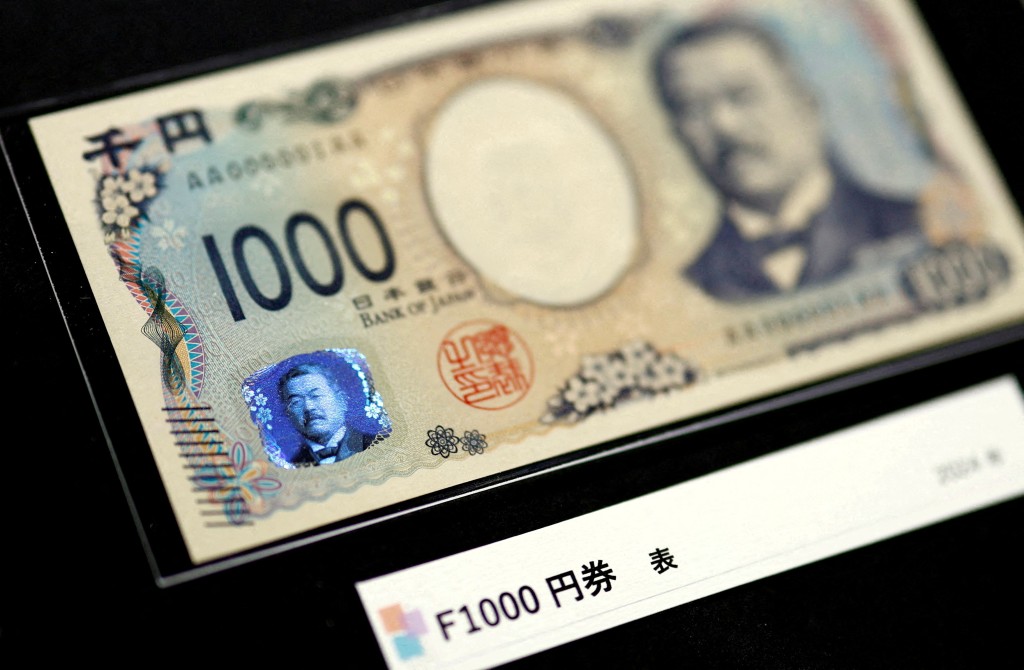

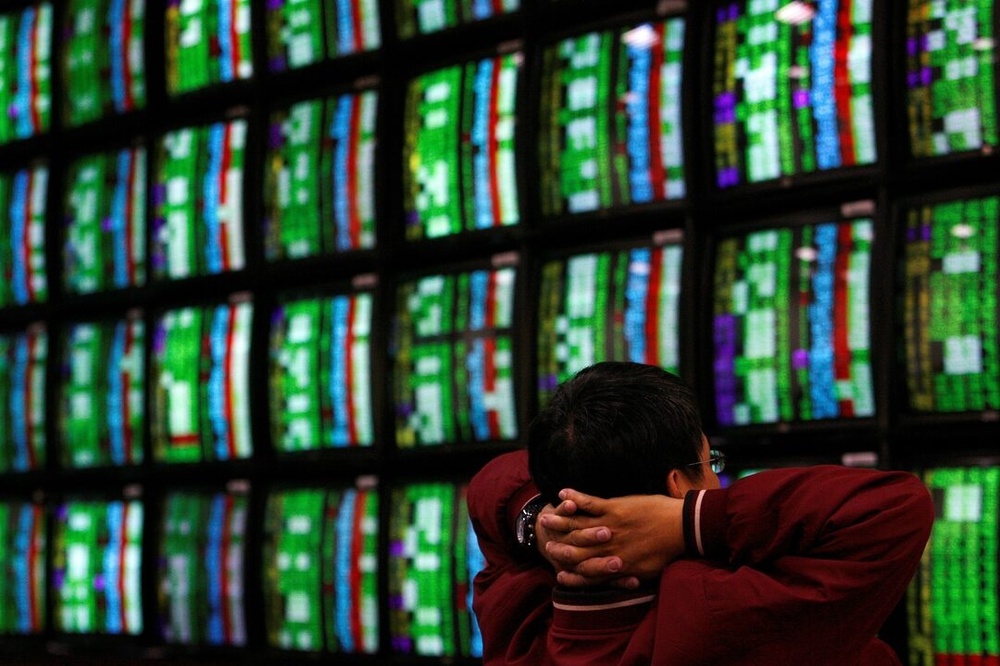
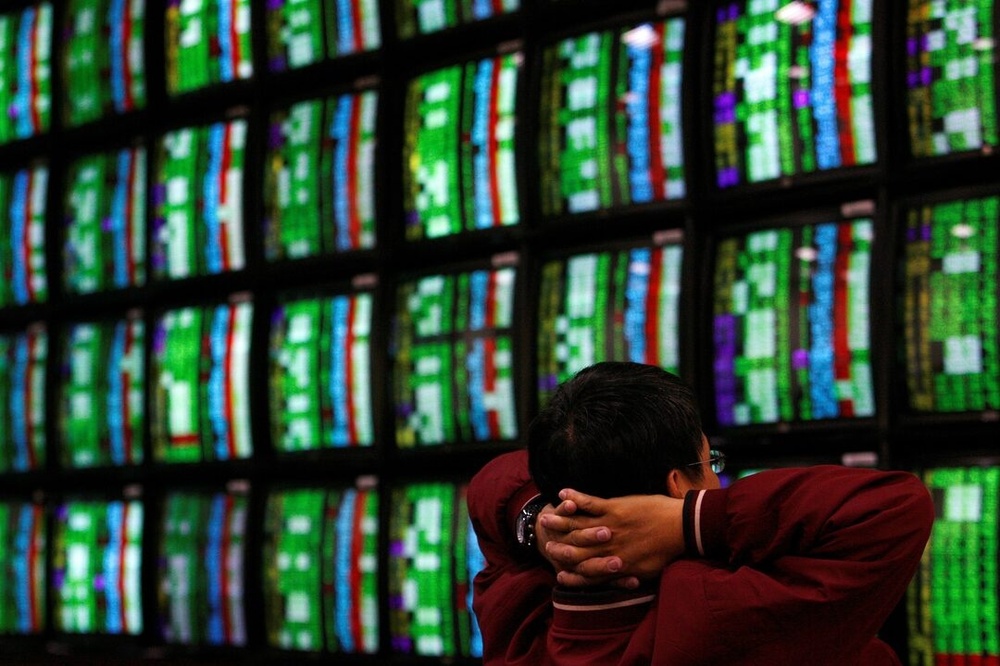
Tokyo led a collapse across Asian and European equities Monday, after weak US jobs data fanned fears of a recession in the world's top economy and boosted bets on several Federal Reserve interest rate cuts.
Read More: Tokyo's Nikkei dives 12.4pc, suffers record points loss after US data fans recession fears
Investors globally rushed into safer bonds after bleak U.S. economic data triggered worries about whether the Federal Reserve will be able to engineer a soft landing and whether it requires more aggressive interest rate cuts to stave off a slowdown in the world's largest economy.
China stocks closed lower on Monday, tracking global markets, even after data showed growth in China's services activity accelerated in July.
The growth in the services activity of the world's second-largest economy accelerated in July, helped by new orders, although momentum in overseas demand eased to its slowest in 11 months, a private-sector survey showed on Monday.
The Caixin/S&P Global services purchasing managers' index (PMI) rose to 52.1 from 51.2 in June, pointing to expansion for the 19th straight month.
Still, China grew much more slowly than expected in the second quarter and faces deflationary pressures and a protracted property slump, with retail sales growth in June grinding to its weakest pace since early 2023.
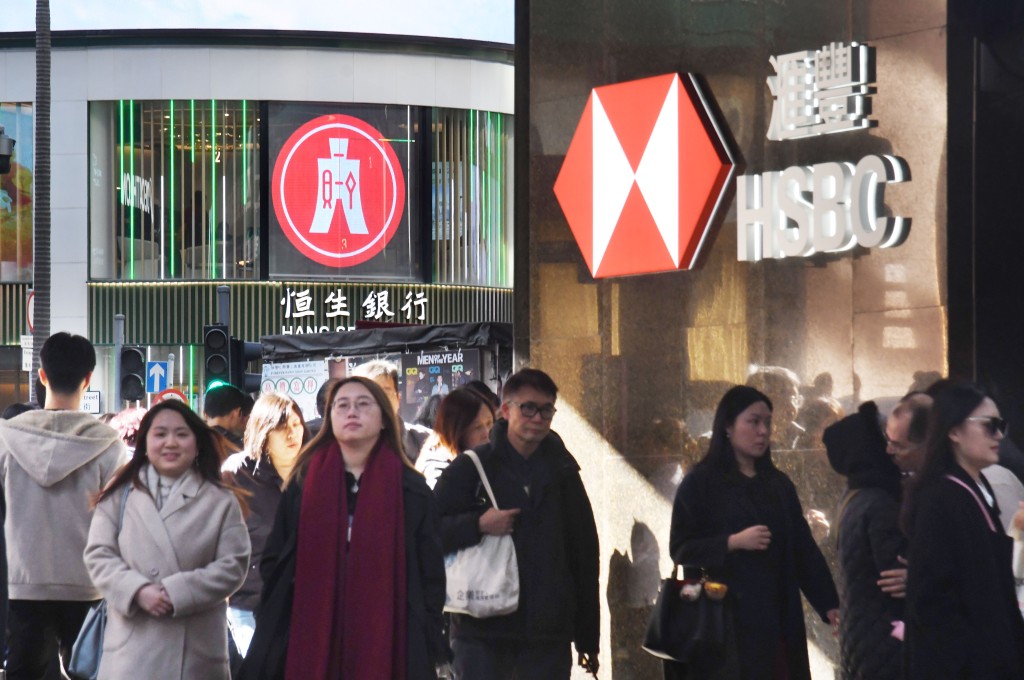
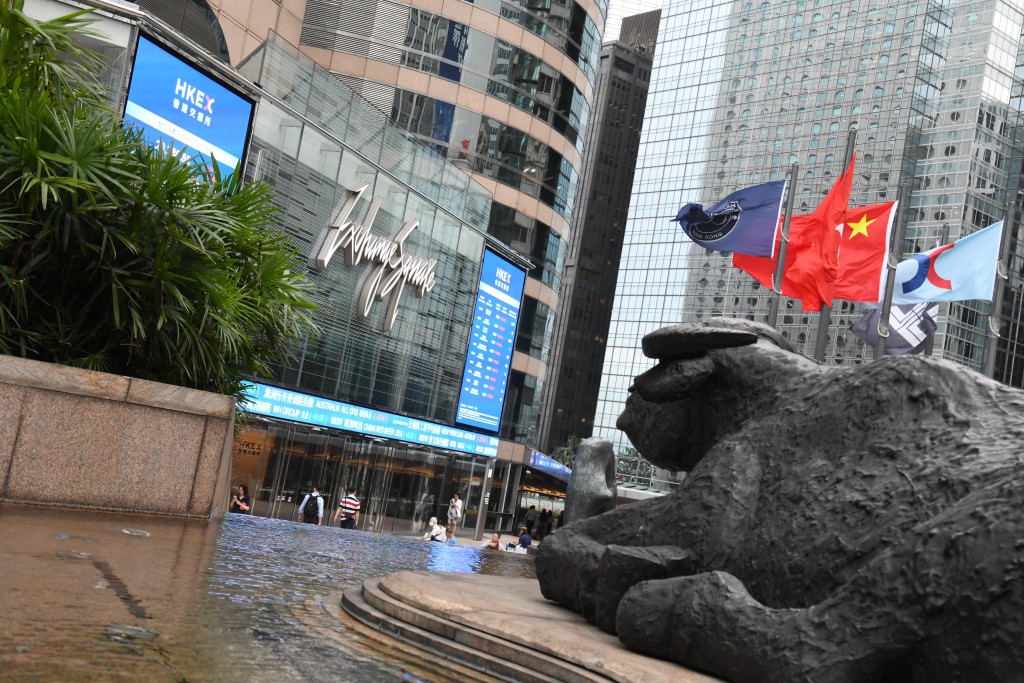
Hong Kong lost more than one percent as the Hang Seng index was down 247.15 points at 16,698.36 at the close of trade. The Hang Seng China Enterprises index fell 1.64 percent to 5,876.64.
The sub-index of the Hang Seng tracking energy shares dipped 4.9 percent, while the IT sector dipped 0.68 percent, the financial sector ended 2.12 percent lower and the property sector rose 2.18 percent.
South Korea's stock market marked its worst session since the global financial crisis of 2008 on Monday, with trading curbs activated for the first time in four years.
The benchmark KOSPI stock index ended the session down 8.8 percent at 2,441.55, its biggest percentage fall since Oct. 24, 2008.
During the session, the KOSPI fell as much as 10.8 percent, triggering circuit breakers for the first time since March 2020, which are trading curbs activated when the index falls or rises more than 8 percent and halts trading of stocks and derivatives for 20 minutes.
The KOSPI was down more than 14 percent from a six-month peak of 2,860.42 hit in July.
Chip heavyweights Samsung Electronics and SK Hynix lost 10.3 percent and 9.9 percent, respectively, tracking heavy losses on the Philadelphia Semiconductor Index.
Taiwan's Taiex also crumbled, losing 8.4 percent as Taiwan Semiconductor Manufacturing Co. (TMSC), the world's biggest chip maker, dropped 9.8 percent.
It was the worst one-day decline for the main index in percentage terms. The market shed 1,807.21 points to close at 19,830.88, the lowest level since April 23, as a sell-off in tech spread more broadly.
In a bid to calm investors, the Taiwan stock exchange chief said the bourse would work with regulators to maintain stability.
Singapore gave up nearly five percent and Sydney more than three percent.
There were also big losses in Mumbai, Bangkok, Manila, Jakarta and Wellington.
(Staff reporter, Reuters, AP and AFP)