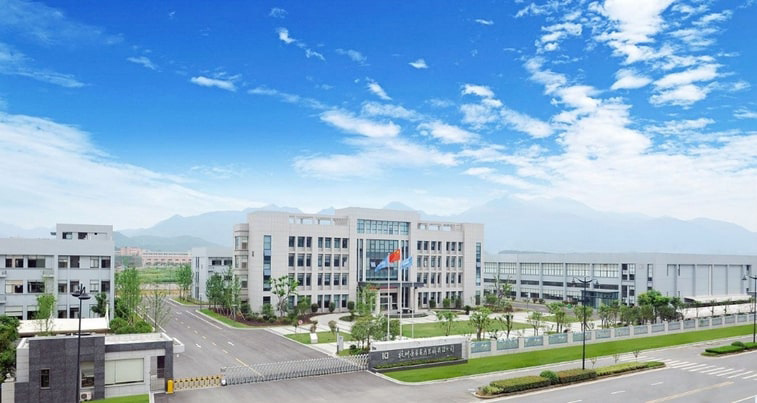
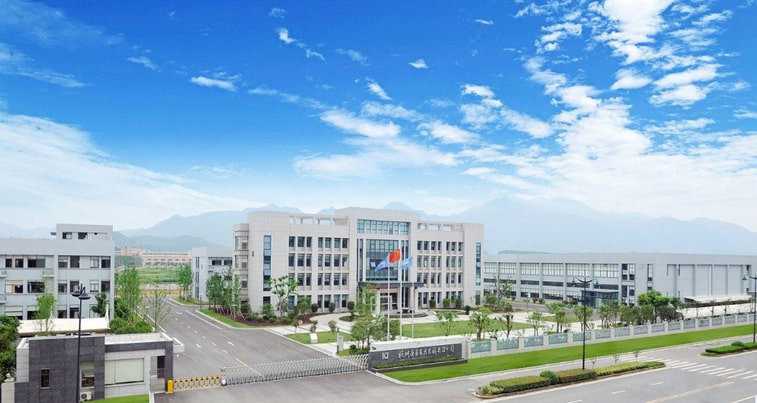
Kangji Medical, a maker of instruments for minimally invasive surgery, is aiming to raise up to HK$3.13 billion through a Hong Kong initial public offering.
The flotation has drawn a huge demand from retail investors, attracting more than HK$104.3 billion in retail orders as of Friday. It means the retail portion of the deal is oversubscribed by at least 332 times.
This comes after Peijia Medical (9996), a Chinese producer of medical devices to treat heart and neurovascular diseases, attracted HK$280 billion worth of retail orders in May. Shares of Peijia have climbed by 27 percent since its debut on May 15.
Seven cornerstone investors have agreed to subscribe to new shares worth US$165 million (HK$1.28 billion) - more than 40 percent of Kangji's total IPO size.
They are Fidelity Investments, BlackRock, Hillhouse Capital, Cormorant Asset Management, OrbiMed Capital, Lake Bleu Capital, and Oaktree Capital.
Kangji mainly provides tiny surgical instruments for minimally invasive surgery of gynecology and obstetrics, urology, general and thoracic departments in mainland hospitals. Using small incisions with few stitches, minimally invasive surgery could cause less pain, scarring, and complications, lowering the risk of infection and helping patients to recover faster.
The penetration rate of this surgery has risen to 38.1 percent last year from 28.5 percent in 2015 and is expected to further grow to 49 percent in 2024, given the aging population, rising disposable incomes, and the improved healthcare system, according to China Insights Industry Consultancy.
Meanwhile, the sales revenue of Chinese minimally invasive surgical instruments and accessories (MISIA) market is projected to grow to 40.8 billion yuan (HK$44.62 billion) in 2024, representing a compound annual growth rate of 17.2 percent from 2019.
Kangji is the largest domestic player in Chinese MISIA market by sales last year, according to CIC. But its market share is only 2.7 percent, as the market is dominated by international brands, which offers high-end products that are two to four times more expensive than those by domestic rivals.
Benefiting from surging demand for minimally invasive surgery in China, Kangji's revenue grew by 42.89 percent to 353.67 million yuan in 2018 and further grew 42.36 percent to 503.47 million yuan.
Net profit surged by 61.61 percent to 223.79 million yuan in 2018 before increasing by 46 percent to 326.74 million yuan last year.
Kangji's gross profit margin also increased by 2.3 percentage points to 84.1 percent in 2019, because the company is making over 85 percent of profits from disposable products, with a higher profit margin compared to reusable products. Kangji generated around half of its revenue from disposable trocars, which are used to create an access port for endoscopes or other surgical instruments during minimally invasive surgery.
The company's revenue dropped by 31.4 percent in the first quarter, as it suspended production in February, and many hospitals rescheduled minimally invasive surgery to avoid cross-infection amid the coronavirus outbreak in the mainland. But revenue in April grew by 9.2 percent from a year ago, thanks to the recovery of demand.
Kangji expects to have sufficient working capital for at least the next 24 months. It had capital resources of 226.3 million yuan as of April 30, including cash and cash equivalents of 69.6 million yuan.
The company plans to spend 25 percent of the net proceeds for research and development, 25 percent to fund potential strategic investment and acquisitions. Another 20 percent will be used to expand production capacity and strengthen manufacturing capabilities, while 20 percent for sales and marketing. The rest of 10 percent will be for working capital and general corporate purpose.