Read More
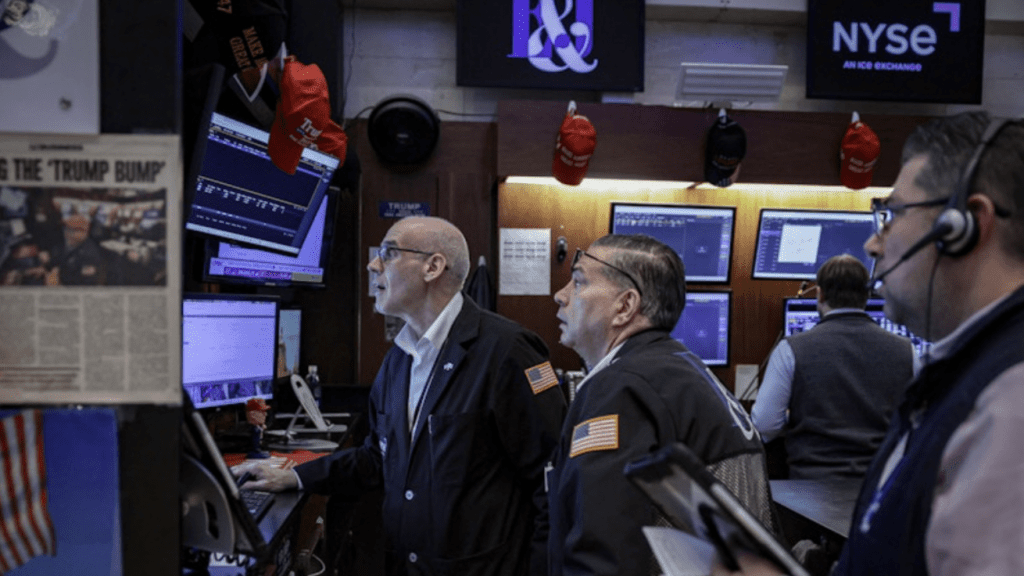

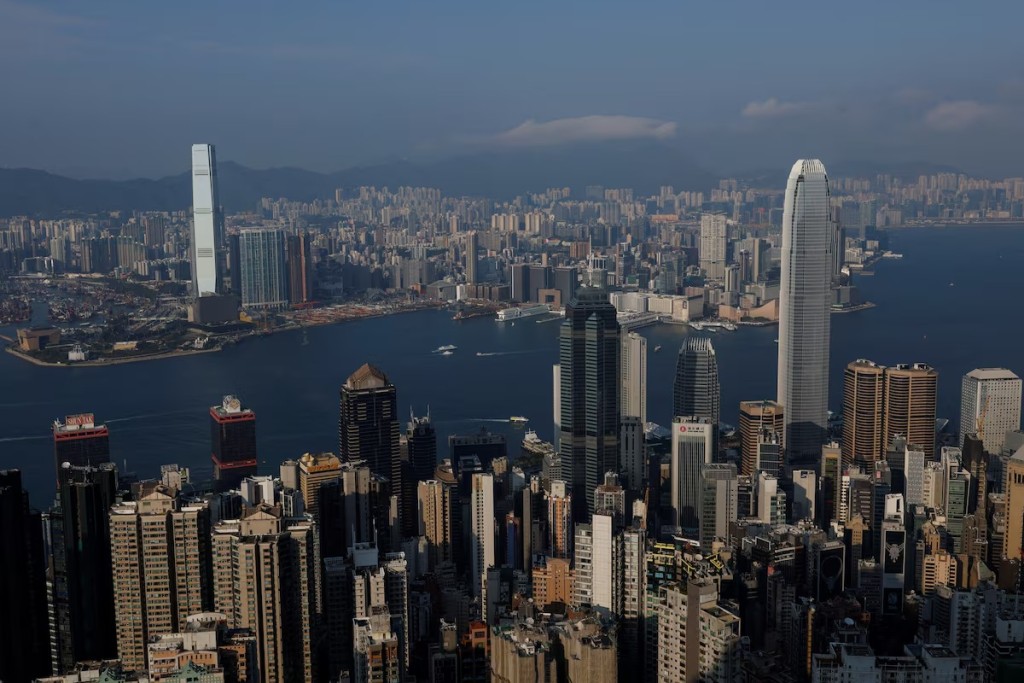
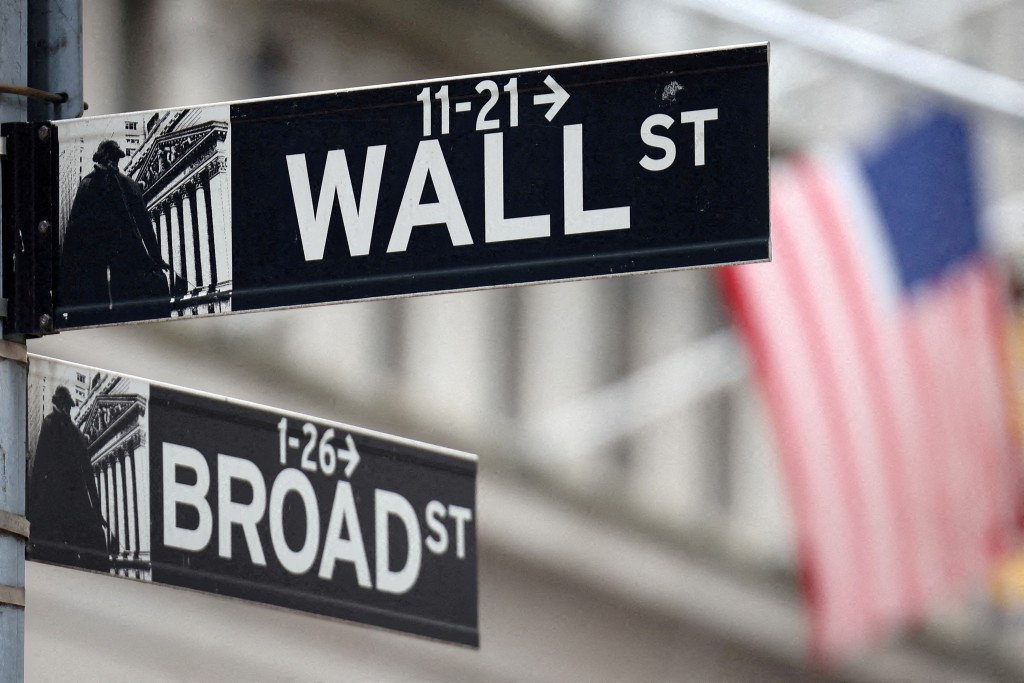


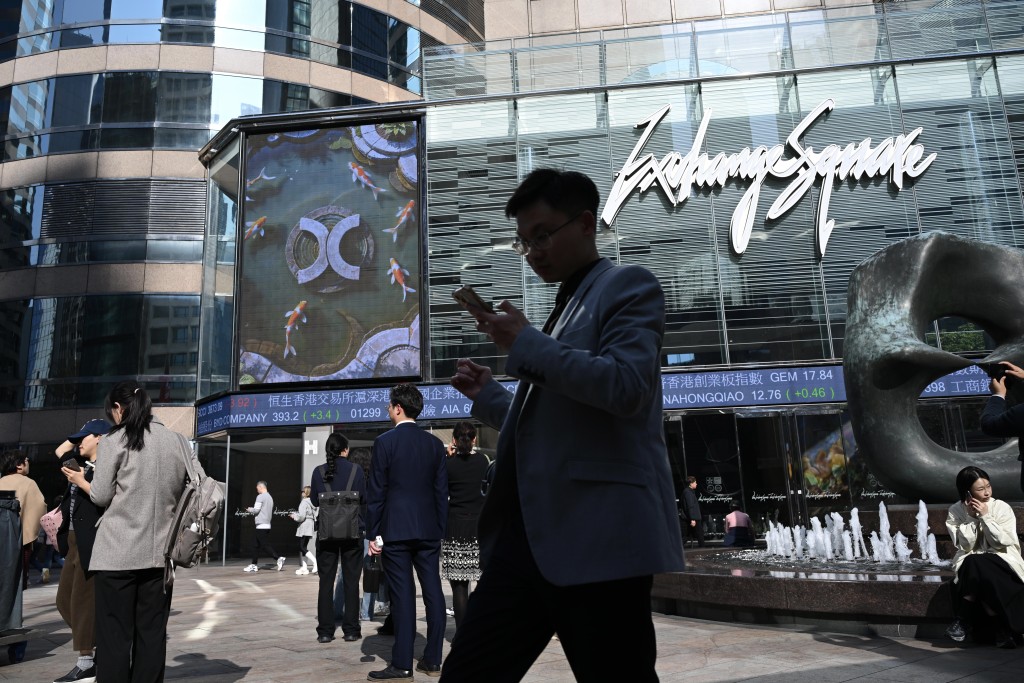

The recent pullback in the US stock market is seen as a bargain-hunting opportunity at a time when Hong Kong investors look from local and mainland equities to join the sustained US rally, while analysts suggest thinking twice before jumping into any individual stock, or that funds be considered.
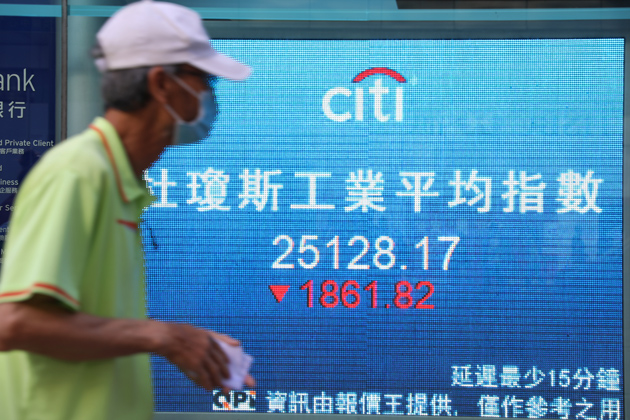
US stocks have fluctuated as investors continuously correct their optimistic views following fresh outbreaks of the coronavirus. The benchmark S&P 500 Index has surged nearly 40 percent from its multi-year low in March, despite it tumbling earlier when the US Federal Reserve signaled a longer-than-expected recovery.
Local retail investors are eyeing the upside in American tech giants including Apple, Tesla, and some Chinese tech companies which are only listed in the United States, such as Baidu. Since April 1, shares of Tesla had skyrocketed 107.85 percent to US$1,000.9 (HK$7,807) as of Friday. Apple had increased 45.17 percent to US$349.72, and Baidu grew 26 percent to US$123.08.
Meanwhile, US equities saw the fourth week of inflows with US$3.8 billion, in week through June 17, Bank of America says, citing EPFR Global data.
To trade US stocks, Hongkongers can open an investment account either with a bank or with a brokerage, including online platforms like SoFi Hong Kong, Fundsupermarket, and Futu Securities backed by Tencent (0700).
An investor could open an investment services account at the Hongkong and Shanghai Banking Corporation by completing required documents. They can also open an account with local stockbrokers, such as an online individual trading account at Everbright Sun Hung Kai. Documents including HKID card or passport, Hong Kong registered-bank account statement, and proof of an online deposit of HK$10,000 are needed, according to EBSHK's website.
Some international brokers also offer Hong Kong investors access to trade US stocks, such as Charles Schwab and Interactive Brokers.
In the US stock market, investors can trade as few as one share in each transaction.
Regular trading hours for US stocks are 9:30 pm to 4:00 am of the following day in Hong Kong time from March to November, and 10:30 pm to 5:00 am of the following day in Hong Kong time from November to March. Commissions and other service charges vary among banks and brokers, while online trading is commission-free at some platforms, such as Charles Schwab and uSMART.
Retail investors can also subscribe to US equity funds through their bank and brokerage accounts, or consult with fund managers or independent financial advisers.
The Morgan Stanley Investment Funds - US Growth Fund A, focusing on stocks with median market capitalization, has reported a year-to-date return of 47.67 percent as of June 17, the highest for its category classified by Morningstar.
Retail investors are also recommended to make good use of their Mandatory Provident Fund portfolios for exposure to US shares.
MPF participants have pulled out a net HK$384 million from Hong Kong and mainland stocks in May, the biggest monthly total in four years, data from consulting firm MPF Rating shows. Regional equity funds excluding Asia had a net inflow of HK$1.17 billion, with more than 80 percent going into US equities.
A total of 10 US equity-focused funds are covered under local MPF schemes, data from Lipper under Reuters show. Among them, the Mass MPF Scheme-US Equity has the highest return in all time, with an 8.93 percent gain in May, outperforming the Nasdaq Composite Index which rose 6.75 percent. The fund has major US firms, including Amazon and Apple among its top 10 assets.
For the year ended May, the fund grew by 10.65 percent, followed by the North American Equity fund under Manulife Global Select MPF, which had 2.11 percent gain, while others reported losses. US stock funds under MPF schemes by Hang Seng Bank (0011) and HSBC all reported around 4 percent losses during the past year as of May 31.
Investors with low risk tolerance can also buy exchange-traded funds tracking US stocks, which have lower fees and diversified portfolios, says Eisen Kao, senior analyst at Ample Capital.
Vanguard S&P 500 ETF, listed on the New York Stock Exchange Arca and tracking the S&P 500 index has an average annual return of 9.84 percent over the past five years as of May 31 and an expense ratio of 0.03 percent. In Hong Kong, the similar Vanguard S&P 500 ETF (3140) delivers an average annual return of 8.6 percent and charges an expense ratio of 0.18 percent.
Also, iShares Global Tech ETF, listed on NYSE, has reported a 375.82 percent total return from its inception in 2001 to the end of May. But it only achieved a 4.65 percent gain during the first five months this year, according to iShares under BlackRock.
However, Kao does not suggest investors jumping in the market at the moment because the expected gains are not attractive compared to the risk of loss.
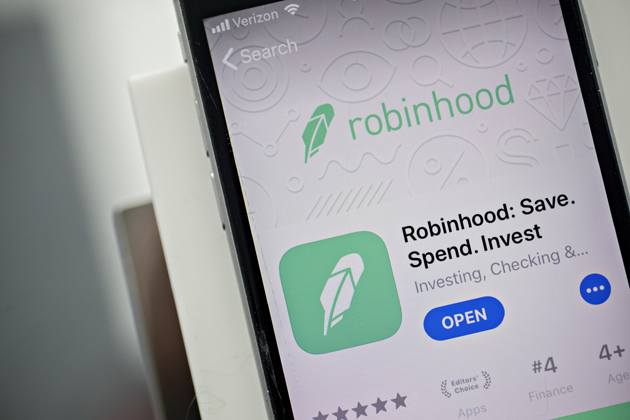
And a debate has emerged over whether a flood of new US retail investors into Robinhood, a commission-free online broker, has driven the recent rally. Some Wall Street veterans are seeing an overvalued market, questioning the V-shaped recovery and firms' fundamentals.
Kao advises investors against betting on companies whose outlook remains gloomy, such as Hilton Hotels and those in the apparel sector, though their share prices also increased over the past two months.
But Kao says some companies still look compelling, such as Taiwan Semiconductor Manufacturing Company, which has American depositary receipts listed in the US market.
He also recommends stocks with promising dividend yield, and a strong economic outlook, such as data center real estate investment trust Equinix.