China's factory activity unexpectedly returned to growth in May, but the improvement was marginal, as export orders continued to shrink, a private business survey showed yesterday.
The Caixin/Markit Manufacturing Purchasing Managers' Index rose to 50.7 last month, from April's contractionary 49.4 and the highest since January, driven by a sharp increase in output as companies got back to work and cleared outstanding orders. The 50-mark separates growth from contraction on a monthly basis. Analysts polled by Reuters had expected a reading of 49.6.
But demand remained subdued. With many of China's trading partners deep in lockdowns, new export orders remained firmly in contractionary territory, although the drop was not as sharp as in April. Consumers have also remained cautious amid job losses and fears or a fresh wave of infections.
Meanwhile, the People's Bank of China yesterday issued comprehensive guidelines on increasing financial support to small and medium-sized firms, asking banks to shift business focus from property and local government financing vehicles to small companies.
The central bank will also buy some bank loans extended to small firms under the inclusive financing program from June 1 on a quarterly basis, it said in a statement on its website. Purchases of the loans from banks that qualify will be conducted via monetary policy tools, it added.
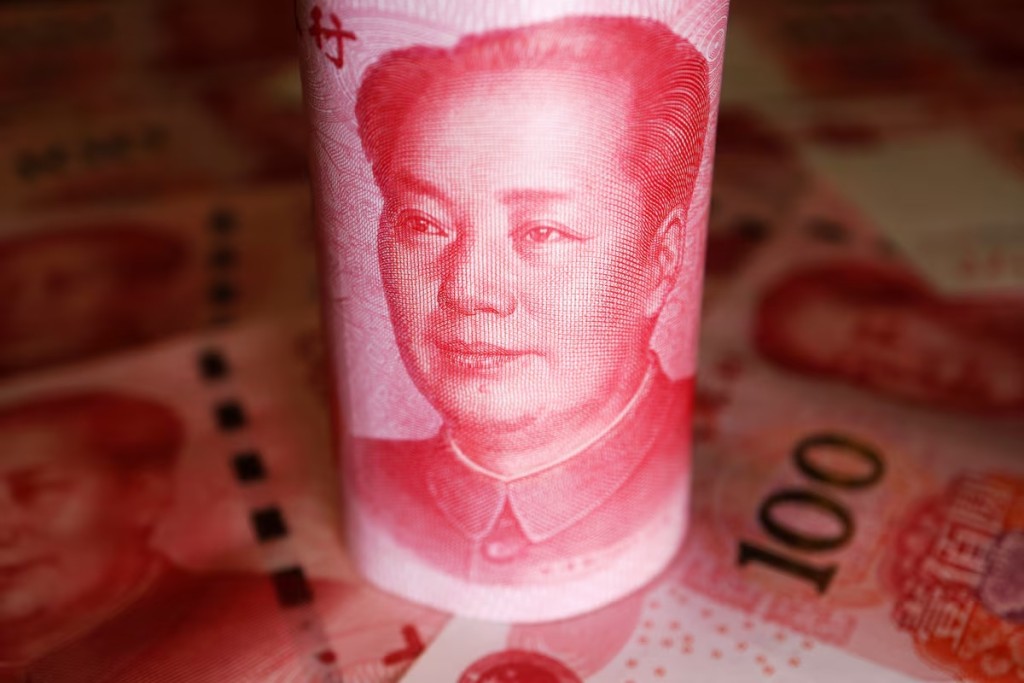
The onshore yuan rose 115 basis points to 7.134 per US dollar, the highest since May 21. But Goldman Sachs sees the yuan falling to its lowest since 2008 over the next three months amid uncertainty over US policy toward China that has put pressure on the currency.
Goldman expects the yuan to fall to 7.25 per dollar on a three-month horizon before recovering toward 7.15 per dollar over six months and 7 per dollar in one year.
The yuan was little changed, staying at around 7.14 per dollar in offshore trading yesterday. It has fallen about 1 percent against the greenback over the last month.
The Caixin/Markit Manufacturing PMI rose to 50.7. BLOOMBERG