Read More



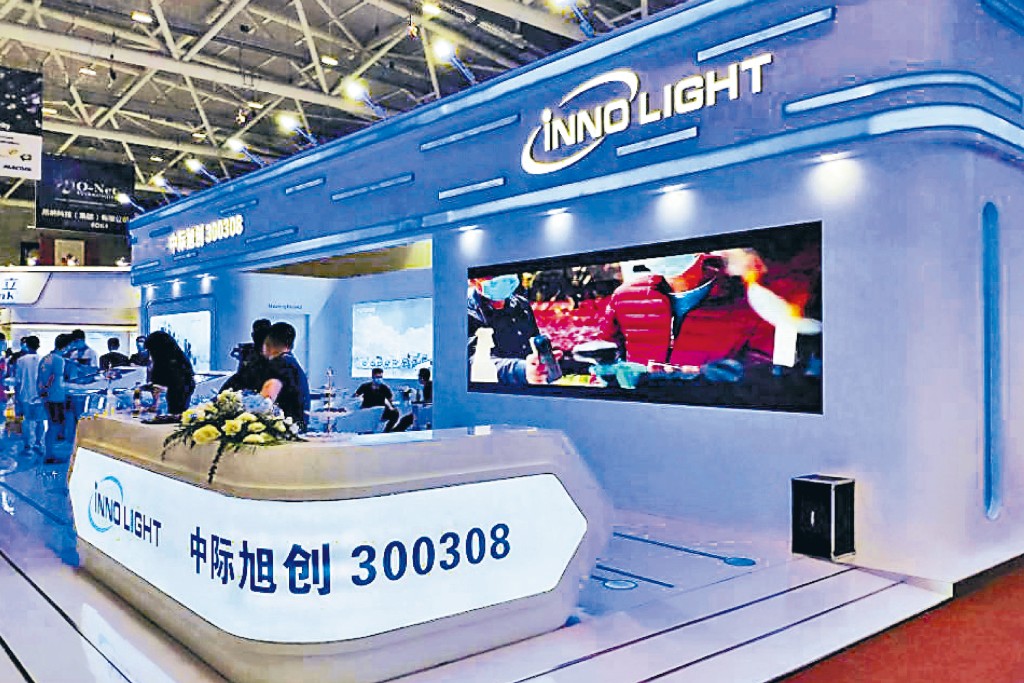


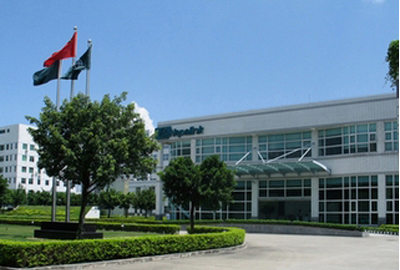
Shenzhen Hepalink Pharmaceutical Group, the world's biggest heparin active pharmaceutical ingredient (API) exporter, is seeking a dual listing in Hong Kong to raise around US$400 million (HK$3.10 billion).
The secondary listing comes a decade after Hepalink raised 5.9 billion yuan (HK$6.41 billion) in an initial public offering in Shenzhen's start-up board ChiNext, with an offer price of 148 yuan. Its share price surged by as much as 27 percent on its debut on May 6, 2010, making chairman and founder Li Li the Chinese richest man with a net worth of US$7.8 billion at the time.
However, the Shenzhen-based firm's shares have been hovering below 27 yuan since April 2011 as the heparin API export price on the global market slumped during 2011 and 2016 with more domestic rivals tapping into the market. Although global heparin API prices have started to recover since 2016, Hepalink's share price failed to bottom out. It ended at 21.22 yuan on Friday, less than 15 percent of its IPO price.
Heparin is the most commonly used anticoagulant, which could prevent harmful clots from forming in blood vessels, and could be used before or after surgery to reduce the risk of blood clots. In the United States, about 12 million patients are treated with heparin each year.
China dominates the global API market, for heparin API, four of the world's top five players are Chinese companies. Hepalink is the number one heparin API provider with a global market share of 40.7 percent, larger than the second and third market players combined, by 2018 revenue, according to a commissioned report by Frost & Sullivan.
Hepalink is largely dependent on sales of its heparin API and enoxaparin sodium injection, a generic anticoagulant medication made from heparin. Sales of the two products contributed 46.6 percent and 23 percent of total revenue, respectively, for the first three quarters last year, according to its prospectus filed in January.
Hepalink's revenue fell around 4 percent to 4.62 billion yuan last year, according to its April statement in Shenzhen stock exchange, on a non-International Financial Reporting Standards basis.
The drop was mainly due to the African swine fever outbreak in the mainland since late 2018.
The heparin API is mainly derived from small intestines of pigs. The swine fever outbreak, which killed millions of China's pigs, has significantly lifted the price of crude heparin and cut down supply.
The gross profit margin of Hepalink's heparin API dropped 4.94 percentage points to 35.42 percent, while enoxaparin sodium injection declined by 8.05 percentage points to 47.11 percent last year.
More than 90 percent of Hepalink's revenue came from overseas markets, mainly the US and European Union, the company said. That has raised investors' concerns given intensified geopolitical tensions and global supply chain disruption amid the Covid-19 outbreak.
The White House is calling for local pharmaceutical firms to reduce APIs purchases from China and move production back home, while India has announced a US$1.3 billion investment in domestic API production to reduce Chinese imports.
But Fitch Ratings said China's dominance will not change in the medium term, due to cheap labor and utilities, as well as low environmental compliance costs in the country.
Hepalink is also facing a heavy debt burden, its asset-to-debt ratio grew to 50.98 percent at the end of 2019 from 1.27 percent at the end of 2010. The firm spent around 6.8 billion yuan to acquire 16 companies including US heparin API maker, Scientific Protein Laboratories, and US contract manufacturing organization, (CMO) Cytovance.
Hepalink said it plans to use the net proceeds from the IPO to improve capital structure and repay existing debt, expand sales and marketing network and infrastructure globally. Other parts of the net proceeds will be for strengthening development and manufacturing capacity and broadening product and services offering of its CMO business.