Read More

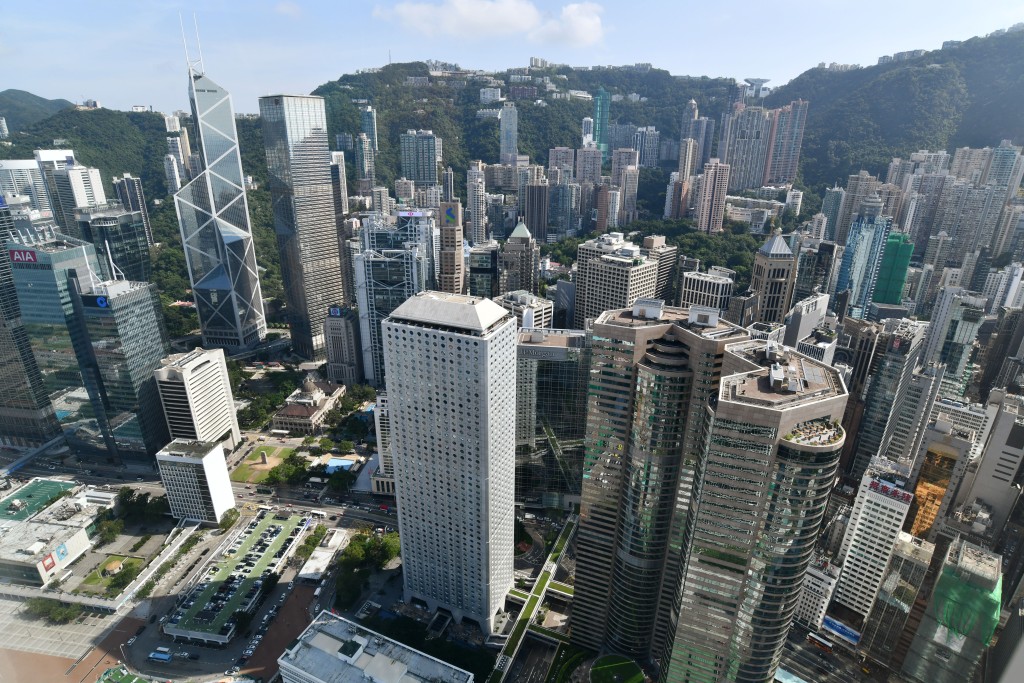

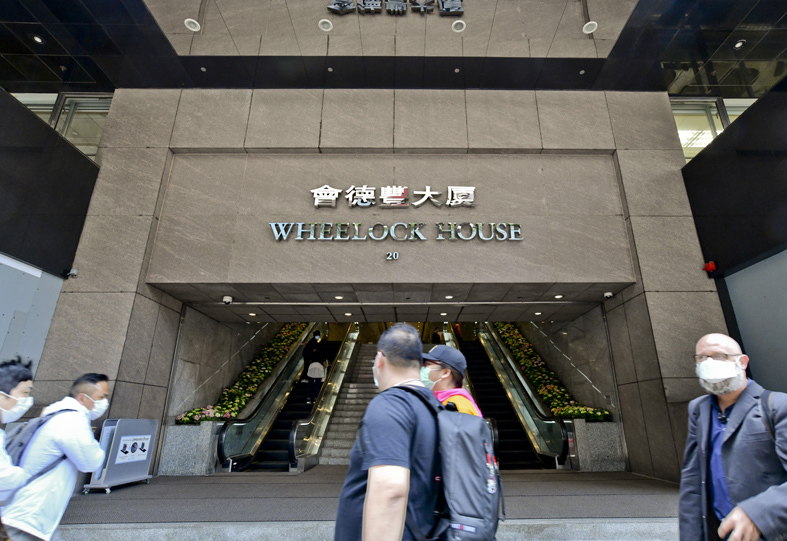
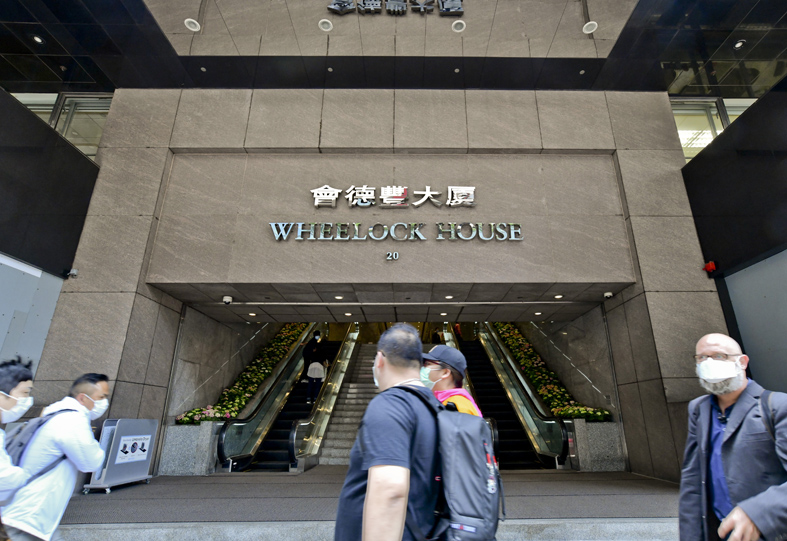
Minority shareholders of Wheelock and Company (0020) or Li & Fung (0494) are being advised to offload stakes in the two local family-controlled conglomerates that are in the privatization pipeline, for fear that attempts to go private may end up in failure, analysts say.
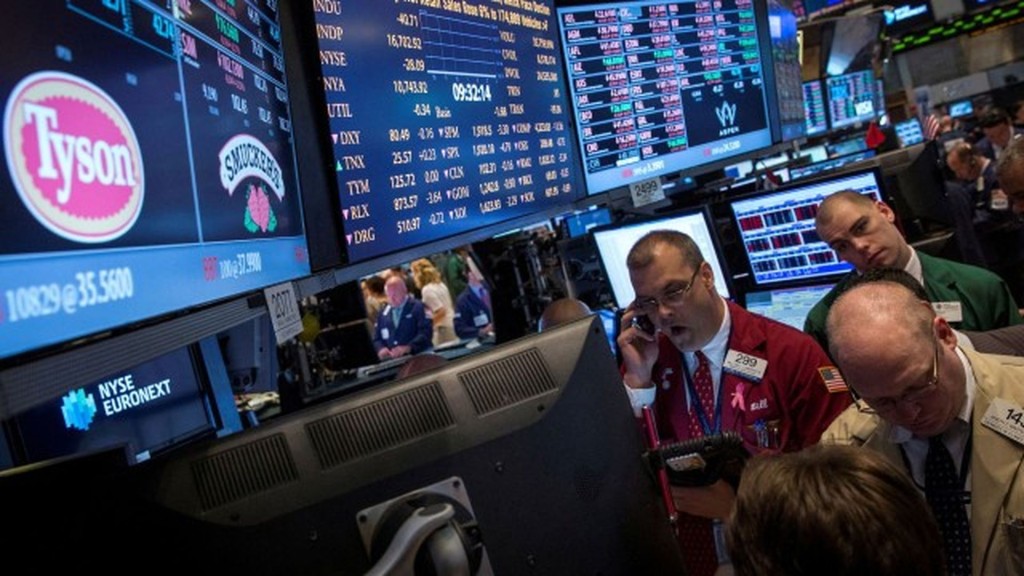
The take-private deals of the two family-run giants came as the recent coronavirus-fueled crash in the stock market has made the cost of such privatization moves cheaper, following the Sino-US trade spat and prolonged social unrest that have also roiled their businesses.
In addition to Wheelock and Li & Fung, a flurry of privatization offers also popped up recently to buy out companies including developer Allied Properties (HK) (0056), printed circuit board manufacturer Elec & Eltek International (1151), and mainland power producer CGN New Energy (1811). Fashion retailer Joyce Boutique, also controlled by billionaire Peter Woo Kwong-ching, just delisted from the main board today and has become a private company.
"Shares with low prices, low transaction volumes, a big difference between asset value and the market capitalization may be the next privatized target," says economist Andy Kwan Cheuk-chiu, director of ACE Centre for Business and Economic Research.
And analysts also expect more take-private offers this year, since Hong Kong's stock market is still struggling for a foothold.
The benchmark Hang Seng Index has rallied by 9.78 percent to 23,831 on April 24 from the late-March low, but still about 17.98 percent below its peak in January.
Specifically, potential privatization candidates have emerged among some local companies that have endured decades in the property sector, and some mainland state-backed companies in the energy and natural resources industry, analysts note.
For instance, among those ripe to go private over the next one or two years include, Henderson Investment (0097) and Hong Kong Ferry (0050) - subsidiary and associated company of tycoon Lee Shau-kee's property flagship Henderson Land Development (0012), respectively - as their share prices are undervalued relative to fixed assets, says Andrew Wong Wai-hong, chairman of Anli Securities.
He also notes that "some Chinese companies that already have listed in the A-share market and don't need Hong Kong money, will do the privatization maybe in the next six months or one year."
Wong says a mainland electricity company listed in Hong Kong, for example, is also in take-private conversations, which has not been made public yet, due to the downward pressure in share prices.
However, analysts do not suggest bargain hunters scooping up shares of these potential privatization targets and wait for juicy windfalls, as they may miss better investment opportunities.
"The gain may be very high, from 20 percent to even a double, but it is really hard to find out and capture the right fish in the sea. The investors may need to hold the companies' stocks for a long time," says Kenny Wen Kit, wealth management strategist of Everbright Sun Hung Kai. He adds that investors may keep tabs on companies which are likely to sell out their business or repurchase shares, as an alternative.
"If the Hang Seng Index rebounds in the next six months, you will miss the chances in other companies," Wong says. Besides, not all take-private cases will be successful, if the offers fail to garner required support from minority shareholders. Hence, Wen suggests investors of Wheelock and Company or Li & Fung locking their gains by selling the shares of the two firms, when their prices have already reflected the positive impact of the privatization proposals.
"Just in case, if the privatization fails, the share prices of the two companies may fall back and investors miss the chance to cash in," Wen says.
Shares of Wheelock and Company and Li & Fung have scored a boost due to the take-private offers. Wheelock closed at HK$53.30 on April 24, up by 12.8 percent after releasing the privatization proposal in late February, while Li & Fung has more than doubled to HK$1.14 last Friday.
For Wheelock, Wong points out that it could be difficult for Peter Woo's family to take the flagship property developer off the stock exchange as the cancelation price may not be juicy enough for shareholders. In the privatization deal, Wheelock is offering one share each of Wharf Real Estate Investment (1997) and Wharf (0004) to Wheelock investors. Investors will also receive HK$12 in cash for every share of Wheelock they own.
Based on the closing prices on April 24, the offer values Wheelock shares at HK$55.25, representing a premium of 16.93 percent over the last trading price before the take-private deal was made public, but a discount of nearly 70 percent to its net asset value per share of around HK$192 as of the end of last year.
"If the management wants to delist the company, at least 30-50 percent of price premium should be offered to satisfy the shareholders," says Wen.
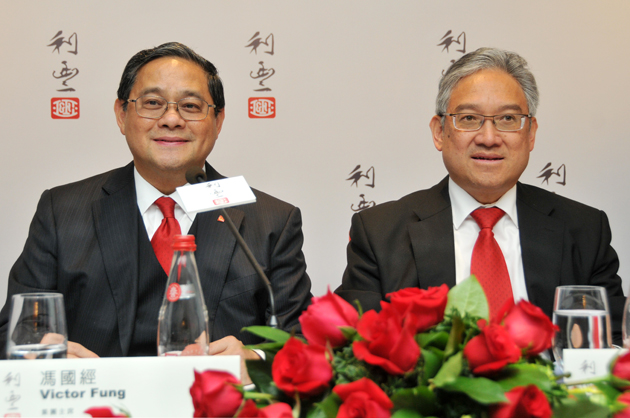
In comparison, the Fung family and Singapore-based GLP Group may manage to take Li & Fung private, at HK$1.25 per share, a 150 percent upside from the last closing price of HK$0.5 before it released the privatization plan, says Kwan.
The business model of the 114-year-old supply chain manager and retailer turns out to be outdated and unprofitable, and the take-private offer provides an opportunity for investors to cash out, Kwan says.
Founded in 1906 and listed in 1973, shares of the company have dived from a peak of HK$25.98 in 2011, when its market value totaled over HK$200 billion.
From January 2019 to March 2020, 13 listed companies were delisted from the Hong Kong stock exchange in privatization deals, including Hopewell and Huaneng Renewables, meaning that a total market capitalization of HK$280 billion was removed from Hong Kong's bourse as a result of take-private plans.