Read More


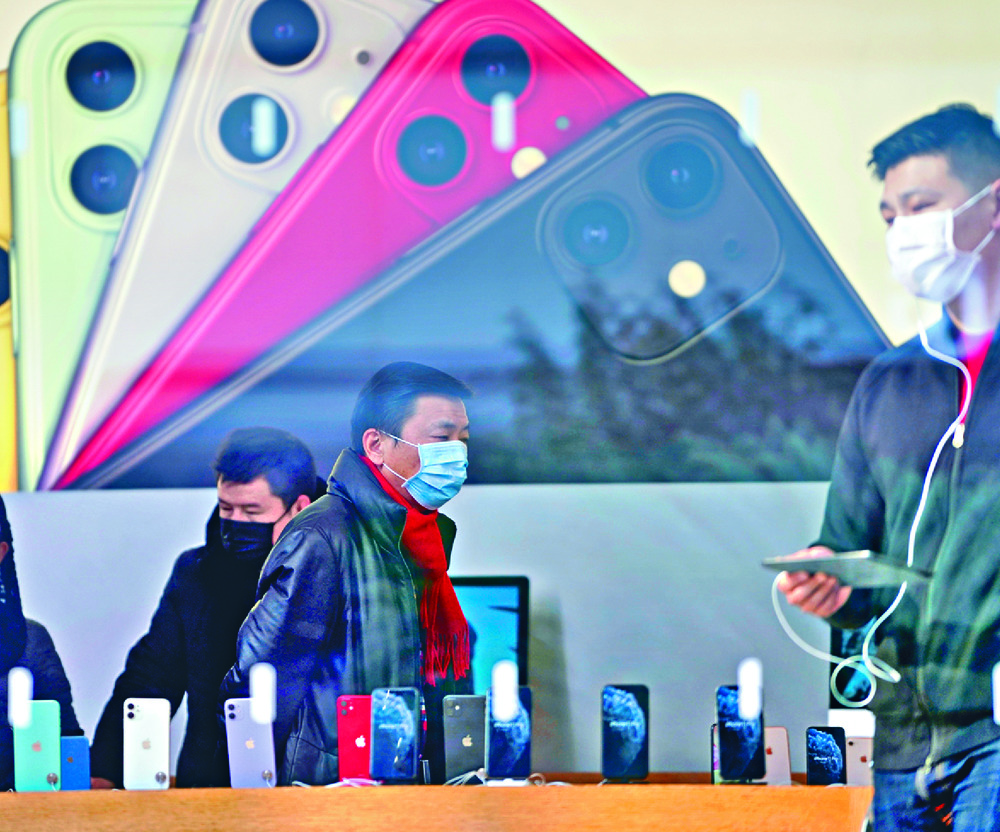
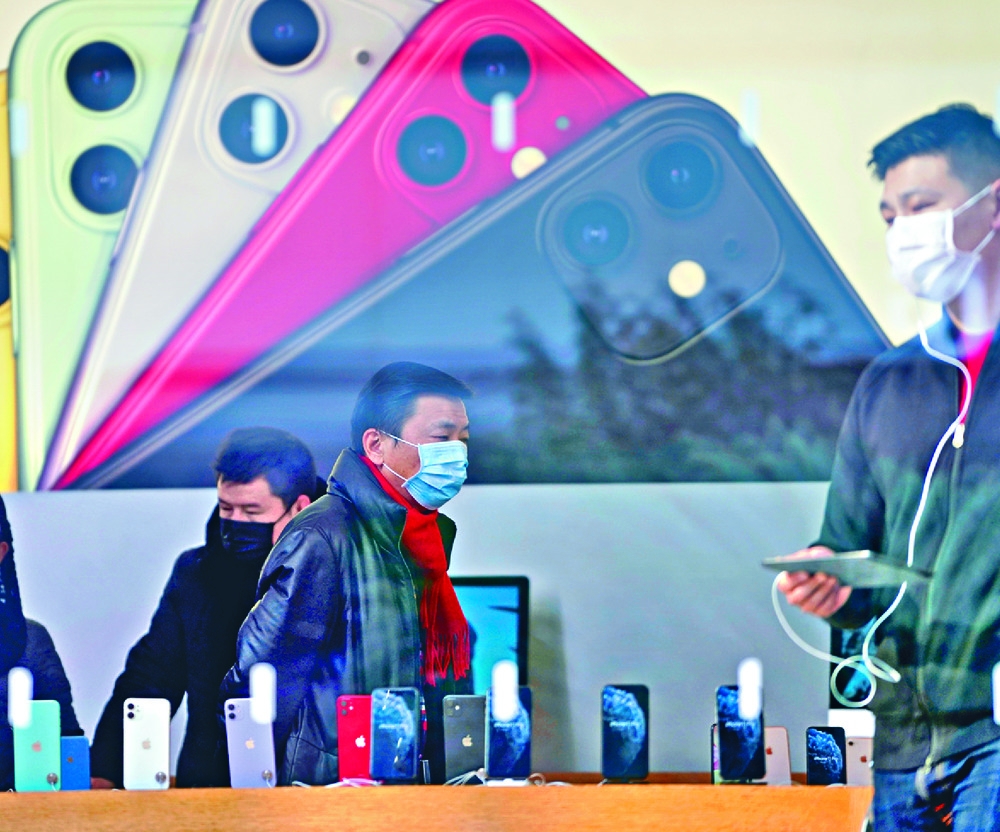
Apple yesterday unveiled its first low-cost smartphone in four years - the new iPhone SE - but it's unlikely to be a major sales driver in its key market China as it lacks 5G capability.
The launch of the new iPhone SE shows that Apple's supply chain in China has returned to a place of some normalcy. Last month, Apple started selling two new Mac computers and an updated iPad Pro.
The technology giant's new iPhone comes with a price tag of HK$3,399, several thousand dollars cheaper than its flagship iPhone 11 line. The trade-off is an older iPhone 8-like exterior design, a less advanced camera system, a smaller and older display, and a Touch ID fingerprint scanner instead of facial recognition.
However, analysts believe the budget-conscious option could be less attractive to Chinese consumers, where Apple gains roughly 15 percent of its sales. In a poll on social media site Weibo, 60 percent of roughly 350,000 respondents said they would not buy the new iPhone SE.
Separately, Taiwan Semiconductor Manufacturing forecasts revenue growth of roughly 30 percent this quarter, suggesting the Apple and Huawei chipmaker is confident of resilient demand for advanced semiconductors during a pandemic-induced downturn.
The forecast followed a near-doubling of net income to NT$116.99 billion (HK$30.13 billion) for the three months ended March, when demand for advanced silicon remained steady during the pandemic.