At a time when investors are expecting increased transparency in Asia Pacific real estate and regulatory systems, the region's emerging markets have made the most significant gains, a survey by real estate investment and management firm Jones LangLasalle, has found.
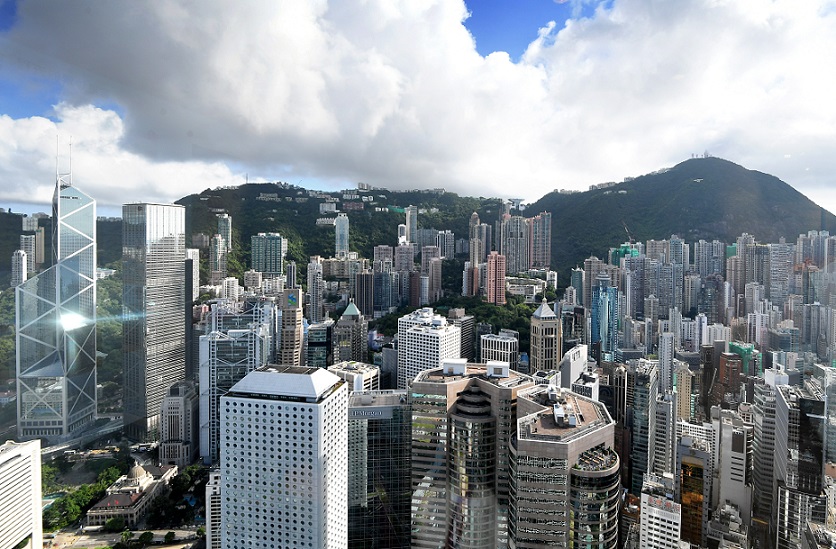
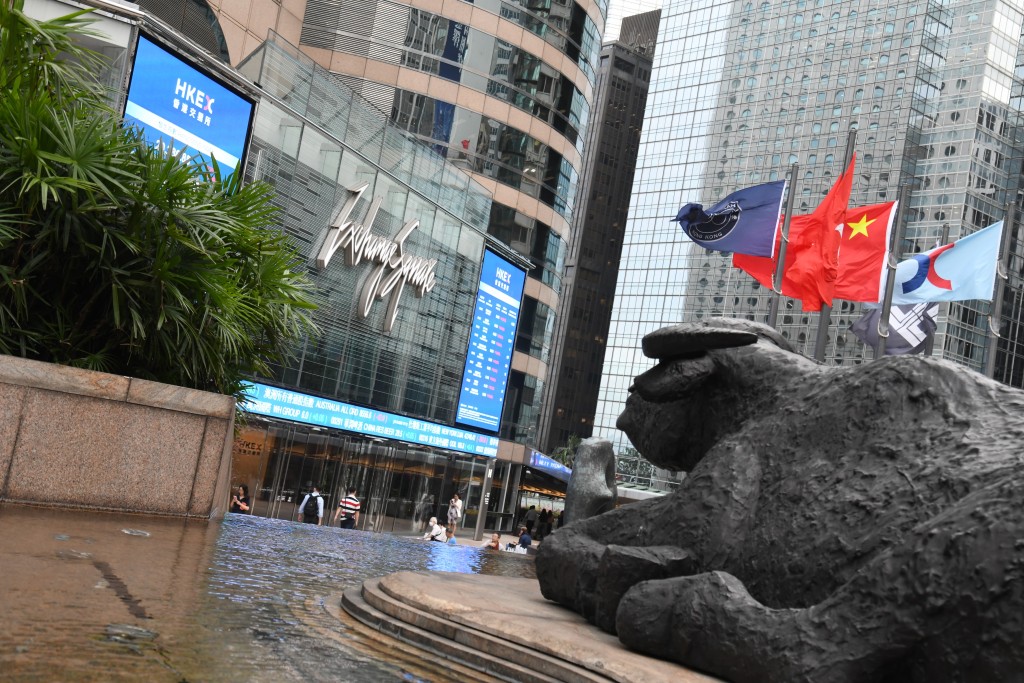
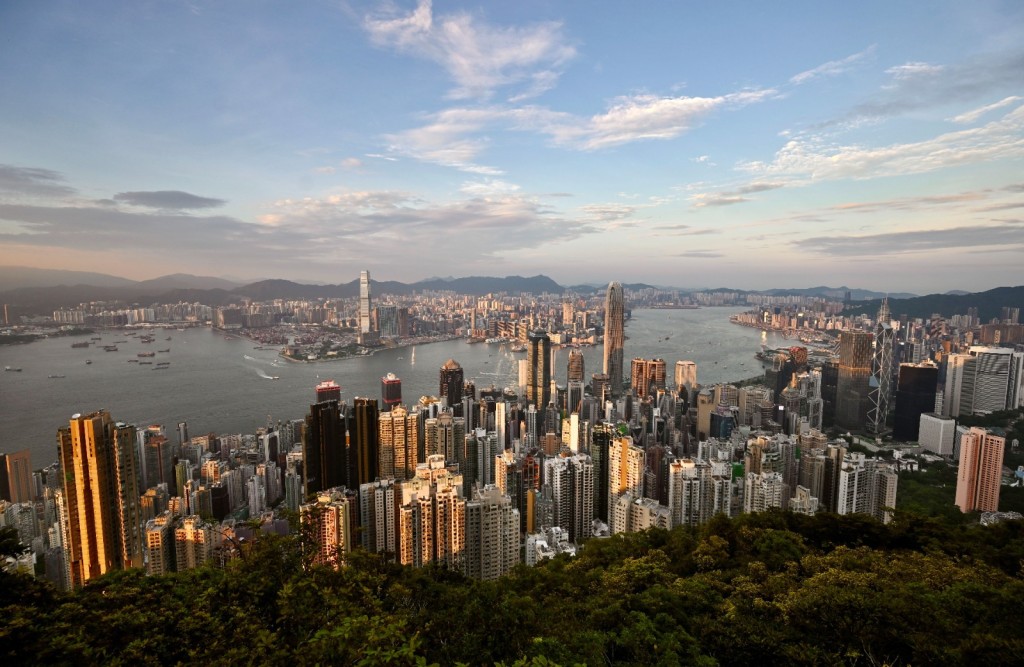
In Hong Kong, transparency has improved, ranking below Singapore in Asia, but the city could elevate into the ‘highly transparent’ tier if it could improve its sustainability transparency, the findings show.
Transparency within Asia Pacific’s real estate legal and regulatory systems is more important than ever to global investors seeking to deploy about US$40 billion into the region.
JLL's biennial Global Real Estate Transparency Index, shows that Singapore, Hong Kong and Japan have maintained their positions on the cusp of becoming ‘highly transparent’ leaders in Asia.
Hong Kong ranked 15th on the index globally, second only to Singapore in 14th position, among the Asian markets.
Shanghai and Beijing were elevated into the ‘transparent’ tier for the first time, both ranked 32nd, due to their improvements in market fundamentals data, an active property technology sector and more coordinated planning of land use, JLL says.
Nelson Wong, head of research at JLL in Greater China, said: “Hong Kong’s real estate market has strong regulatory frameworks, transaction processes and governance structures. We see the adoption of property technology platforms, digital tools and ‘big data’ techniques are increasing in this market, which has improved transparency as a result. The city could elevate into the ‘highly transparent’ tier if it could improve its sustainability transparency, which could be learnt from those in the ‘highly transparent’ market. For example, France and Australia lead on sustainability transparency as the first adopters of new initiatives, such as water efficiency standards and resilient building frameworks.”
In Asia Pacific and outside of the region, JLL’s research finds that sustainability commitments have become the biggest single driver of real estate transparency globally since 2018.
An increased focus on corporate social responsibility and acknowledgement of the need to create sustainable buildings bring environment, social and governance (ESG) considerations into the mainstream.
The 2020 Index was launched at a time of massive economic and societal disruption, during which the need for transparent processes, accurate and timely data and high ethical standards were brought into closer focus.
JLL says there is pressure from investors, businesses and consumers to further improve real estate transparency and compete with other asset classes, as well as meet heightened expectations of the industry’s role in providing a sustainable and resilient built environment in the age of the virus.
Innovative new property technology is changing how real estate data is gathered and analysed and is influencing industry transparency at a regulatory level.
“While investment into commercial real estate has inevitably paused during the pandemic, the overarching trend toward rising allocations to this asset class will continue. As investors look to allocate more capital into Asia Pacific real estate, transparency becomes fundamentally more important, as will the enforcement of robust regulatory frameworks,” says Roddy Allan, Chief Research Officer at JLL in Asia Pacific.
Emerging markets have once again shown the greatest advancement in the index, with six Asia Pacific markets – mainland China (32nd), Thailand (33rd), India (34th), Indonesia (40th), the Philippines (44th) and Vietnam (56th) – among the top 10 biggest improvers globally.
Mature markets such as Australia (3rd) and New Zealand (6th) have maintained their positions near the top of the global ranking.
JLL and LaSalle have been tracking real estate transparency and championing higher standards since 1999. This 11th edition of the Global Real Estate Transparency Index covers 99 countries and territories, and 163 city regions.
This latest survey has been extended to quantify 210 separate elements of transparency, with additional coverage on sustainability and resilience, health and wellness, proptech and alternatives sectors.