Read More
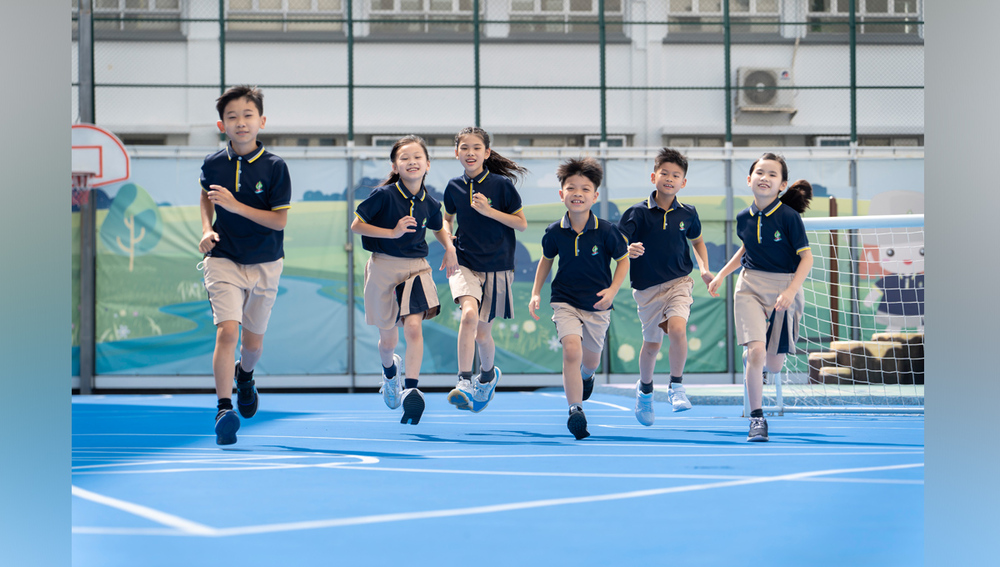
In the dawning of a new, dynamic era in education, Christian Alliance P.C. Lau Memorial International School (CAPCL) will be placing its priorities on cultivating students’ growth mindset and strengthening character education, come the new school year.
ADVERTISEMENT
SCROLL TO CONTINUE WITH CONTENT
COVID-19 and the resultant remote learning mode have taken a huge toll on students worldwide. And as Hong Kong revs up in preparation for the commencement of the new academic year, CAPCL is planning a range of initiatives to focus on students’ growth mindset and enriching its bilingual and character education, as the essential elements of returning to the classroom.
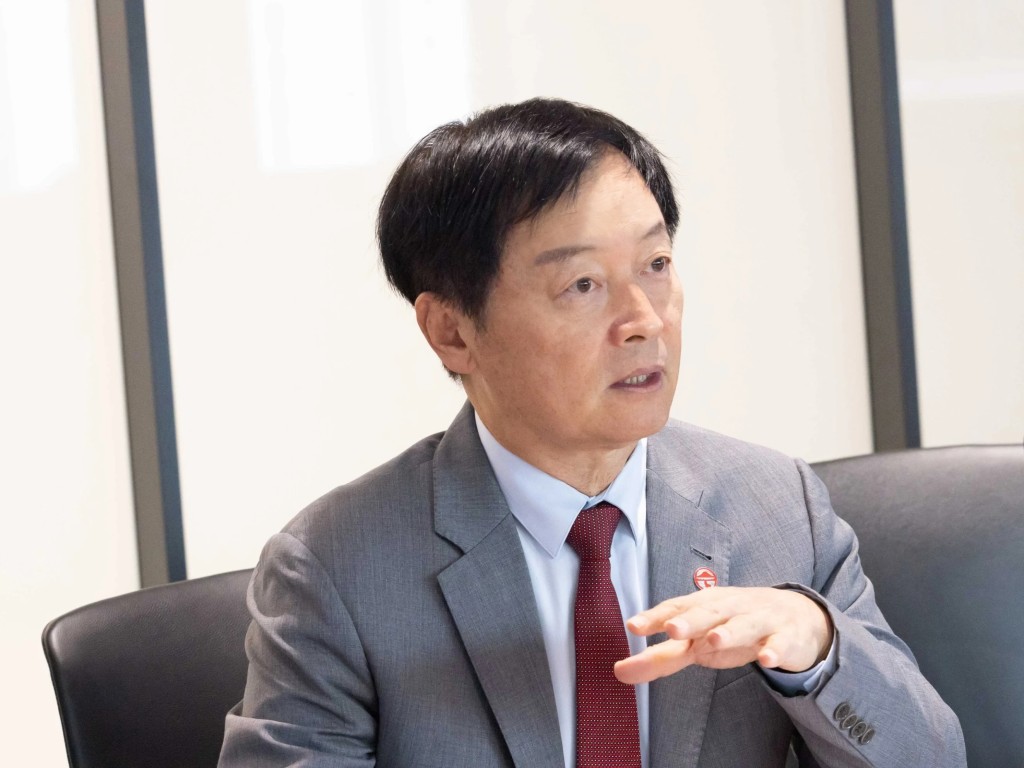
“Now that the city has emerged from the pandemic, there is a rising realization in the community that issues like moral intelligence and character education are more important than ever,” notes Dr. Cora Hui, Head of School at CAPCL. “Not only will they better equip students for tomorrow’s world, but also encourage them to reflect on their roles in society, and how they can apply their knowledge and skills in a positive way that can benefit themselves and others as well.”
Adopting the Canadian Alberta curriculum stands the school in good stead to create this inclusive and empathic spirit. “A cornerstone of the Alberta programme is the multidisciplinary, project-based approach, all the way from science to social studies,” Hui notes. “Over the years we have observed that it has led to leaps and bounds and increased engagement from students, because it makes what they are learning within the curriculum relevant.”
In the wake of a prolonged period of home schooling, Hui has taken stock of the unprecedented situation, and believes that helping students feel secure and welcomed by the whole school community is of utmost importance in the new year. “We need to build in time throughout the school day to increase the attention given to our kids, giving them greater support and greater care to meet their academic, social and emotional needs,” Hui emphasizes.
Bilingualism through co-homeroom
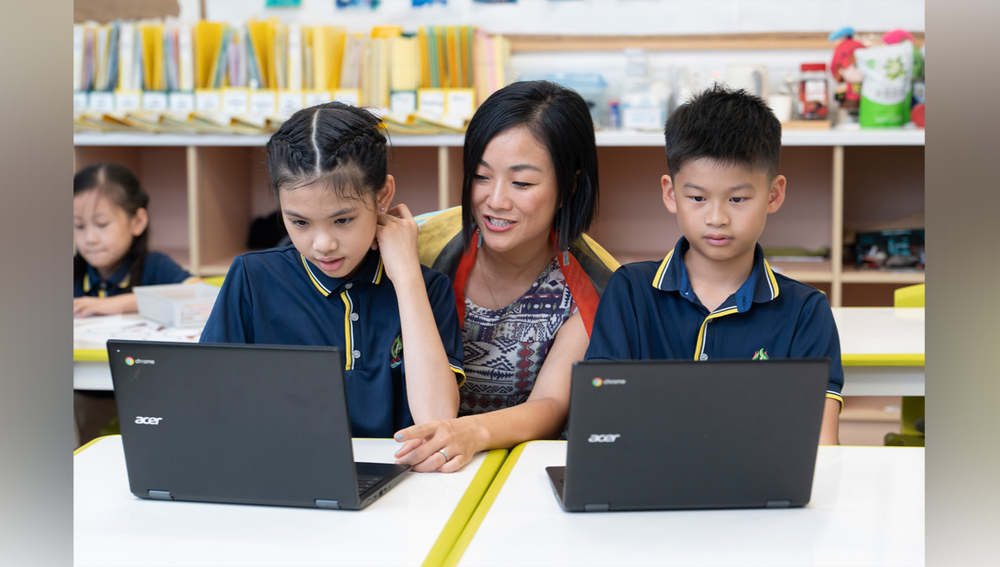
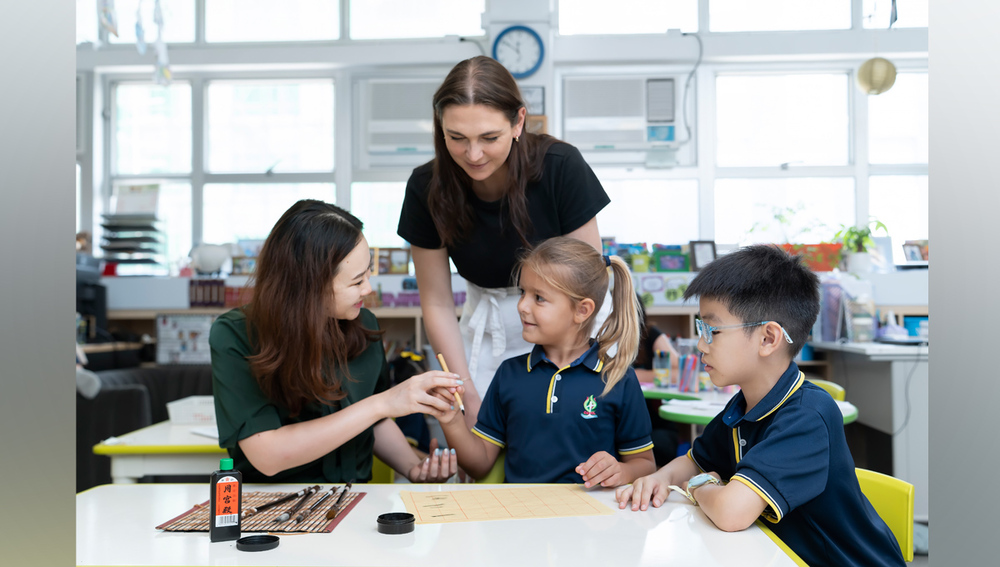
To this end, one of the new introductions to the academic year 2023/24 is the co-homeroom system, where a classroom is led by a Western and a Chinese teacher. “Think of the two co-teachers as the mother and father of a family. They may bear different responsibilities, but both are dedicated to nurturing the wellbeing of children and their whole person development,” Hui notes.
This integration of co-homeroom enables greater capacity and time to gauge each student’s learning needs, allowing the two teachers to individualize their teaching approach, in addition to building closer rapport and partnerships with parents, explains Hui. While bilingual teaching and learning has long been a staple of the CAPCL education, with each teacher now taking on different specialty subjects, it takes the benefits of bilingual education a significant step further.
Hui notes: “Young people have greater brain capacity, and research has shown denser brain matter when children are sorting through and using two languages on a daily basis.” Way beyond fluency in two languages, greater memory functions, enhanced problem-solving and multitasking skills, and fostering socio-emotional development are among the distinct advantages of immersive bilingual education.
That the school designates the medium of instruction as 65% English and 35% Chinese (using Mandarin and traditional script) also has substantial backing. “Since some students are non-native English speakers, who already have ample opportunities to communicate in Chinese outside of the classroom, this ratio stretches their exposure to English while ensuring a solid grounding in both languages,” Hui elaborates.
STREAM immersion
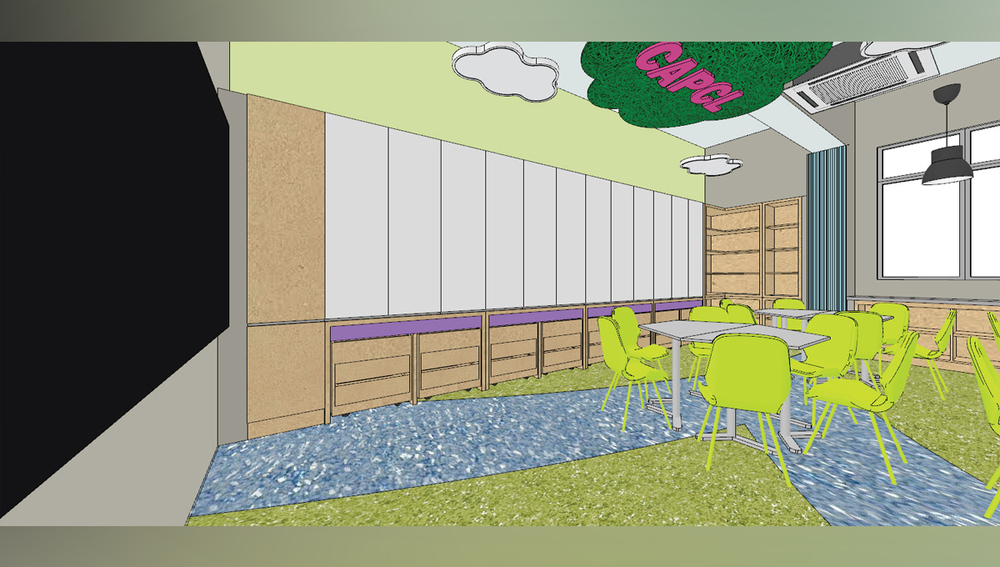
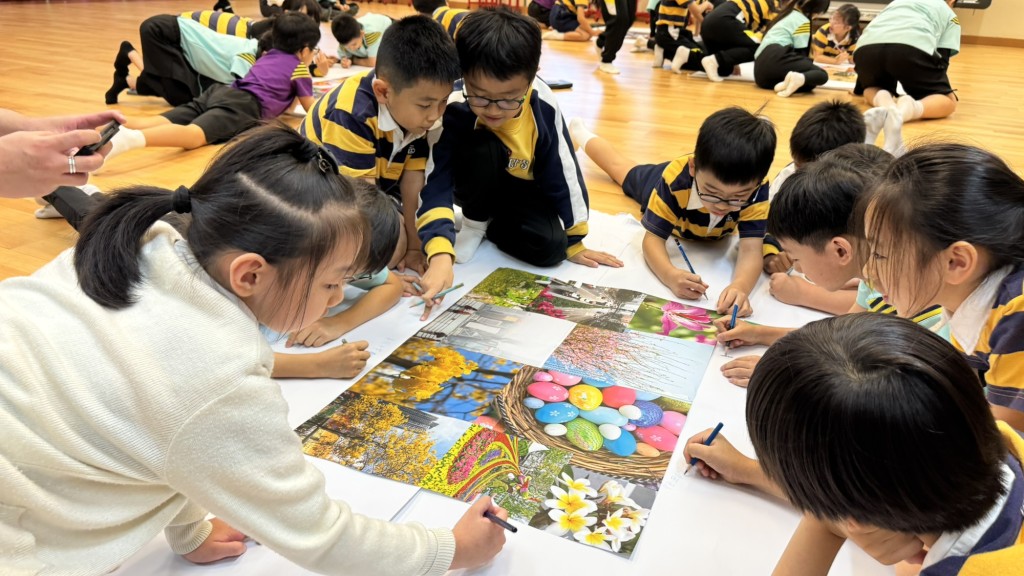
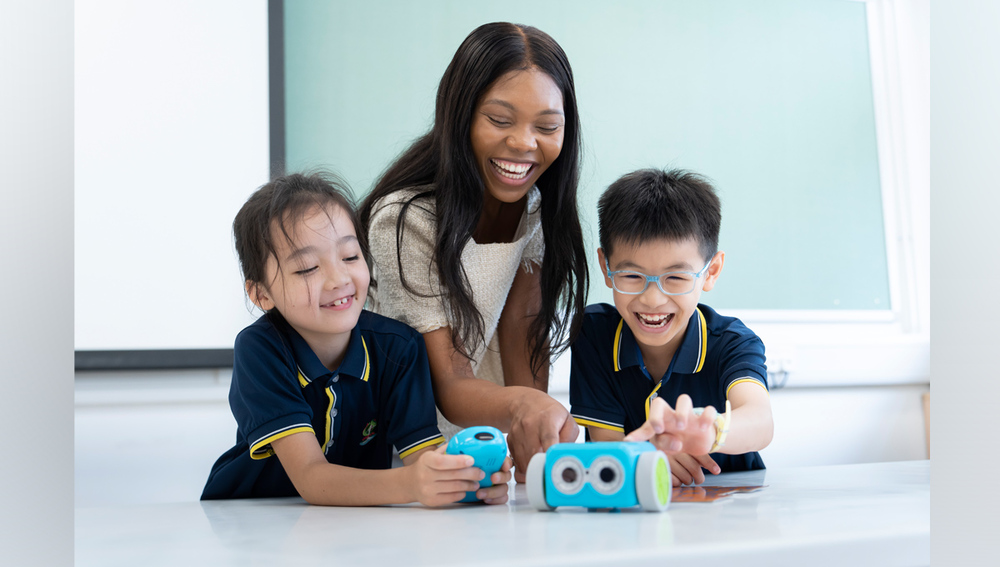
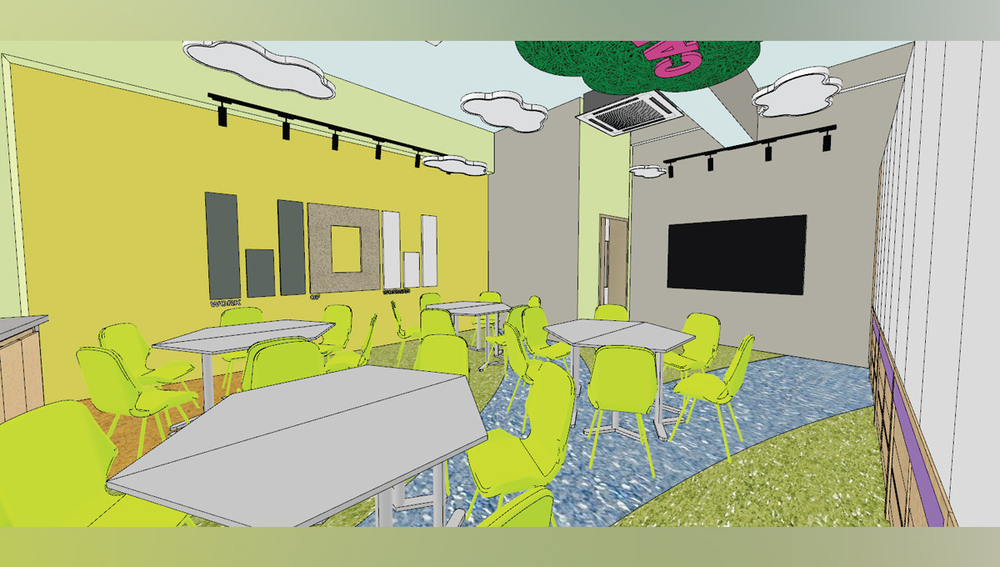
In the education field globally, STREAM has continued to gain momentum, and it’s only apt that CAPCL is also bringing in a new fully-equipped classroom concentrating on Science, Technology, Reading, Engineering, Arts, and Mathematics. Hui is pleased to note that the new STREAM room is “a multi-purpose space for students to express their imagination and creativity, with tablets, electronic software, a wide-ranging collection of books and visual illusions of intercepting lines and shapes to stimulate students’ creativity and learning.”
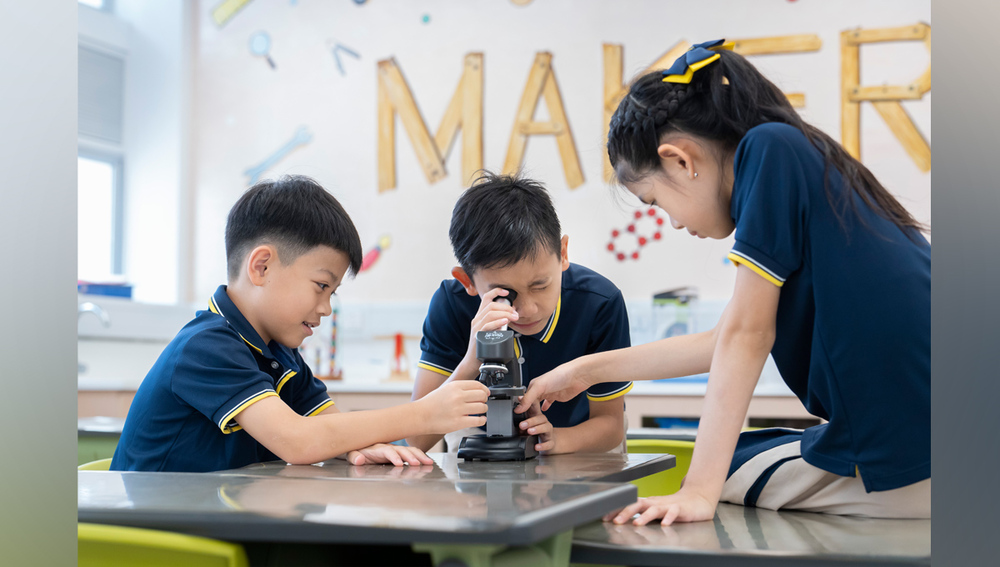
To Hui, it’s not so much about what’s inside this new facility, but how students are going to make use of them that will reap the most benefits. “This new addition is in line with, and a reinforcement of, our multi-disciplinary, play-based approach to learning.”
“Students get a relevant problem to solve, work in teams and come up with different solutions under teachers’ guidance, while having the freedom to pick and choose the tools to apply,” she says, adding that students always come out of the experiences feeling very proud of their achievements.
In Hong Kong where education is predominantly didactic and puts too much emphasis on rote learning, Hui underscores the beauty of this approach in that it allows students to make sense of content: “By engaging young students in challenges and problems they may encounter in real-life, it maximizes the learning outcomes.”
In much the same way, Hui says CAPCL will also be focusing on “the practical” going forward – specifically, how the school will remain steadfast in integrating all subjects, solidifying its teaching philosophy and gathering the whole school to bring the vision to fruition. “Ultimately, we need to bring the top-down approach down to workable steps.”
“This education is grounded in helping students develop good, healthy habits and competencies – especially empathy, self-understanding and the willingness to reach out to others in the community – vital to success in school and life,” Hui concludes.
+2