Hong Kong has often been described as a multicultural hub, but media reports on ethnic minorities tend to focus on marginalisation issues, and rarely on the more effective means of socio-cultural integration in the community. A scholar of Hong Kong Metropolitan University explores how food and music help South Asian migrants to integrate in Hong Kong.
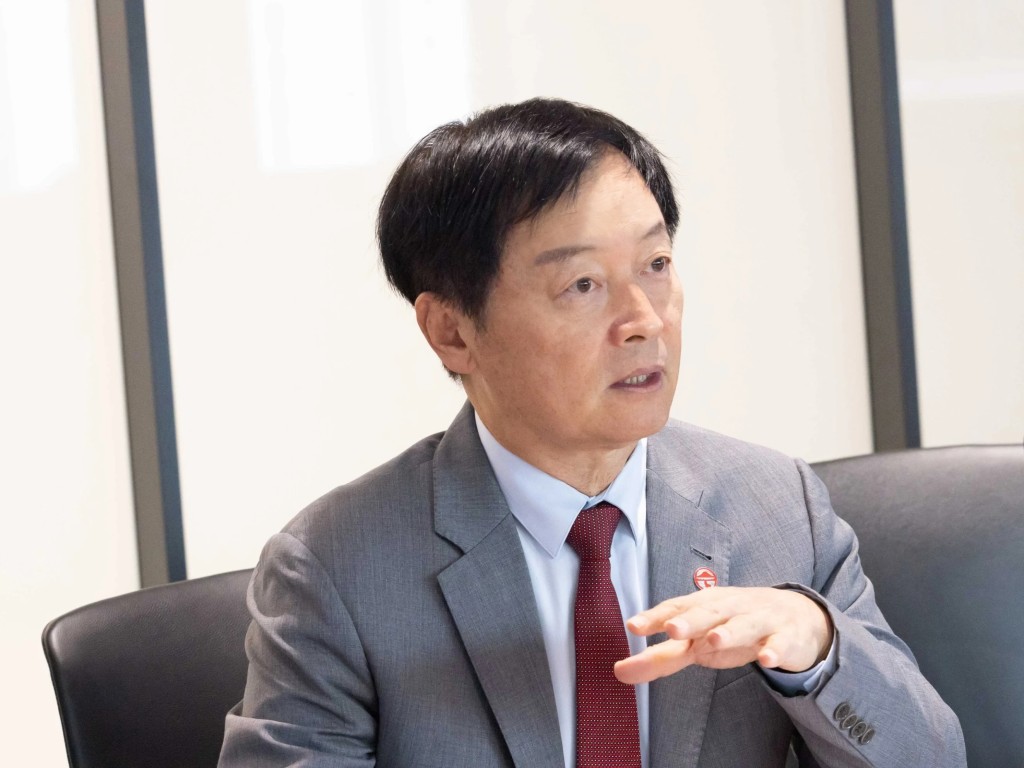
Dr. Terence Shum Chun-tat, Assistant Professor of the School of Arts and Social Sciences at Hong Kong Metropolitan University, is a development anthropologist whose research interests lie in a number of migration and development issues such as refugees, borders, identity, inequality, multiculturalism, globalisation, and South-South relations.
In 2008, Dr. Shum started volunteering as an English and Cantonese language instructor at non-governmental organisations that served asylum seekers and refugees in Hong Kong. Over time, he visited their homes and restaurants to try the traditional foods, and attended their religious and cultural events. This first-hand experience and interaction led to his latest 2-year research project titled “Food and music: negotiating diasporic culture, identity and integration among South Asians in Hong Kong’’, funded by the Hong Kong Research Grants Council.
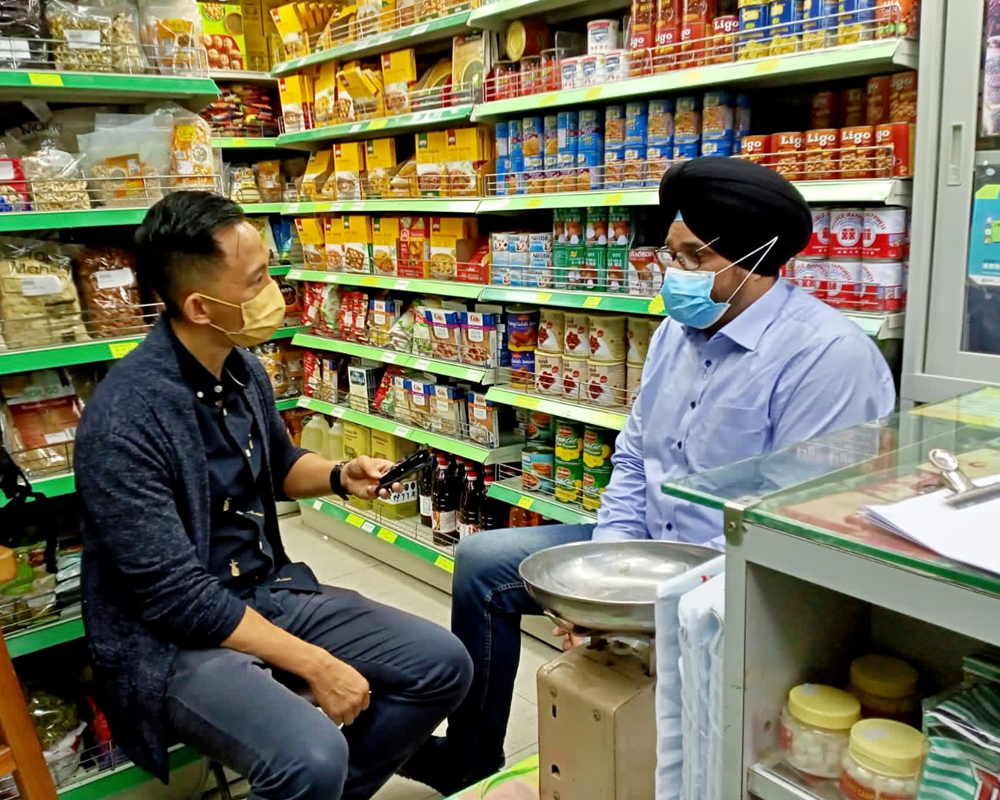
In this project, Dr. Shum examined the role of diasporic food and music cultures in the formation of diasporic communities, identity construction, and the integration of South Asian migrants in Hong Kong. The study observed and interviewed 60 South Asian, including Indian, Nepalese, and Pakistani, and 15 Hong Kong Chinese participants in ethnic restaurants, grocery stores, socio-cultural and religious events organised by the ethnic associations in dance studios, community centres, and temples.
“Food and music are the key components of South Asian diasporic culture. They are often used to express, maintain and construct new socio-cultural relations within and across a host society,” Dr. Shum says as he points out that ethnic minorities across the world can suffer from food nostalgia or homesickness.
Research shows that in eating the food of one’s home country, just the smell or taste alone can trigger bodily memories, bodily comfort and mental satisfaction. The process of food preparation and consumption can establish and maintain both physical and imaginative connections with the home country.
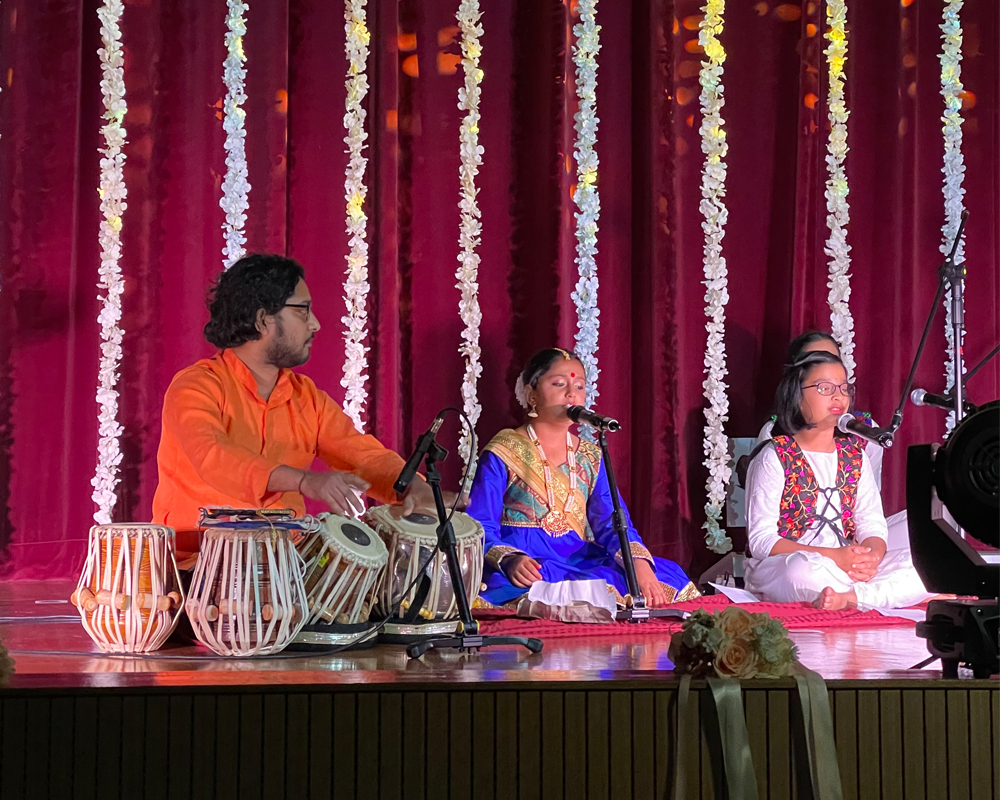
Ethnic minorities find that visiting their favourite ethnic restaurants, or playing traditional instruments such as the harmonium, tabla, flute or guitar, can be a form of stress relief and recall their childhood memories. Participants claim to feel ‘at peace’ and ‘happy’, helping maintain a sense of togetherness and intragroup solidarity.
Transcending cultural and language barriers
“Integration is a two-way process, involving both parties - the locals and the ethnic minorities”, notes Dr. Shum as he emphasises that this process does not equate to giving up one’s culture or being forced to learn the local language. “Food and music can act as intercultural exchange facilitators,” he adds.
Dr. Shum points out that South Asians have invested a lot of effort in introducing their ethnic dishes to Hongkongers who do not have any difficulty integrating South Asian food, and these dishes have become an active agent of social change at an intercultural level.
Food is a universal language, and as Dr. Shum calls it “food diplomacy”. He suggested Hong Kong Chinese can teach South Asians how to cook Chinese food, or explain the history of the food as a form of crossing sensory boundaries, while South Asians can replicate at different cultural events hosted by non-governmental organisations or ethnic minorities associations in Hong Kong.
On the other hand, traditional music plays an important role in South Asian festivals and religious celebrations. “It can be difficult for Hong Kong Chinese people to understand as minorities are singing in their local dialect. However, the Hong Kong Chinese do not shy away from them, many say they enjoy the rhythm and the melody of the songs even if it is in a completely different language”, exclaimed Dr. Shum.
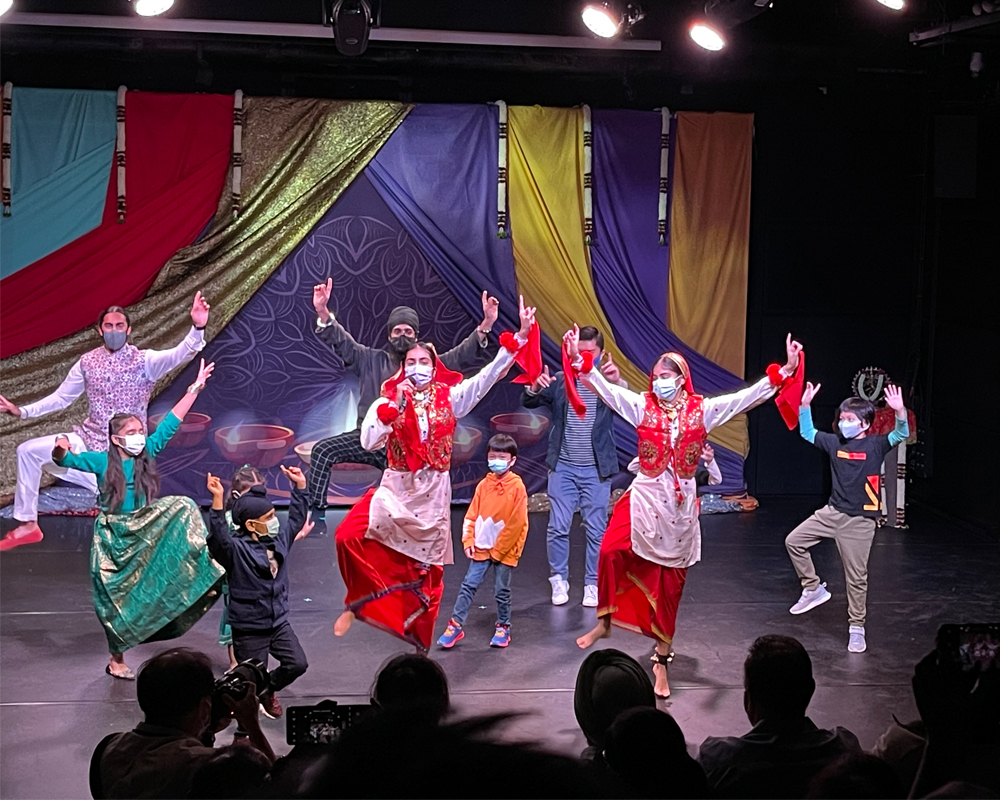
Performing these musical instruments and singing in South Asian languages can be read as a tool and building block to sustain historical, performative, and ethnographic texts. It can be a challenge to understand the background or the history of the music they play, but audience members are often invited on stage to learn the traditional dances and this breaks down the language barriers between the two groups.
“Unfortunately Hong Kong has a lack of channels and platforms that provide information regarding South Asian cultural activities, history and practices. The HKSAR government can create cultural sites with helpful information for Hong Kong Chinese people to educate themselves before they attend cultural activities”, Dr. Shum suggests.
Maintaining one’s identity and culture
South Asians have been living in Hong Kong for centuries, but how do their second or third generation children make sense of their identities? In the research, Dr. Shum explores the concept of identity and community formation or reconstruction through the consumption of traditional foods and playing of traditional music. Utilising this as an entry point to delve deeper into how South Asian groups in Hong Kong can use these embodied practices to establish a meaningful connection with the Hong Kong Chinese community and facilitate the integration process.
South Asian parents are adamant about preserving and maintaining their culture by trying to cook traditional dishes daily or going to the temple or mosque to pray once a week. When Dr. Shum interviewed two groups of first or second generation local born South Asians on whether they wanted to pass on this very important food and music culture to their future generations, many were uncertain because they don’t have much in-depth knowledge about their traditional culture. Some of them rarely take part in cultural events, or recall the authentic taste of certain local foods. This showed a stark contrast between the generations of how they preserve and practice their food and other traditional cultures in Hong Kong.
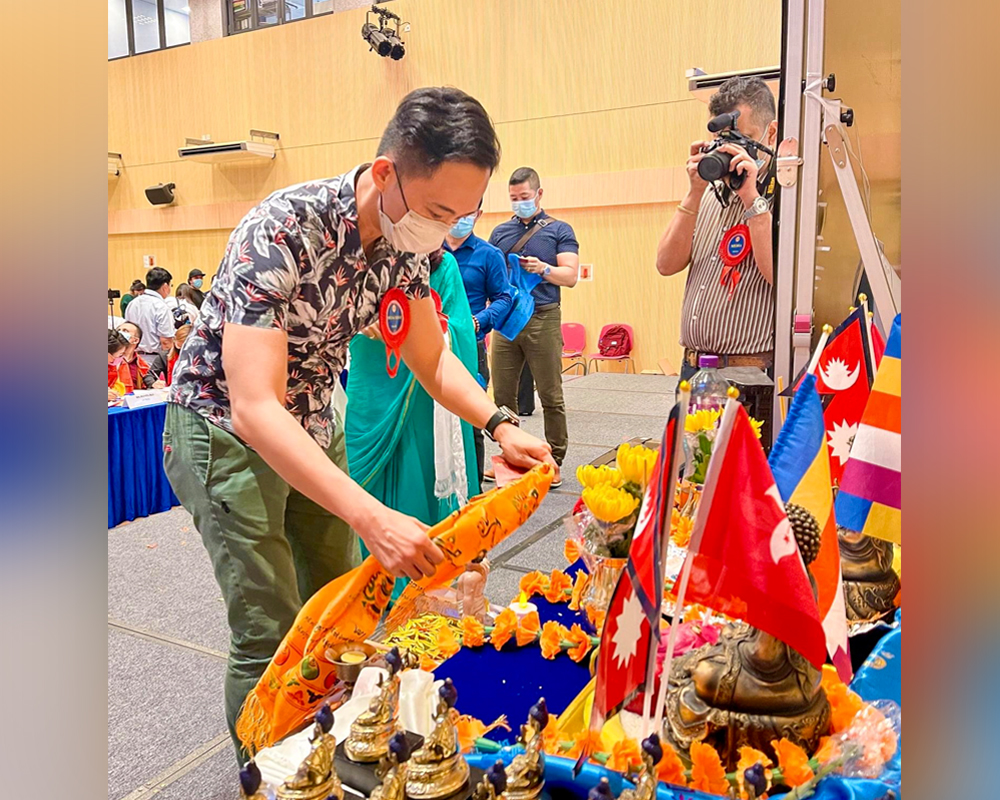
Dr. Shum regularly attends religious services to participate in their rituals
Dr. Shum interviewing South Asian participants in local grocery stores