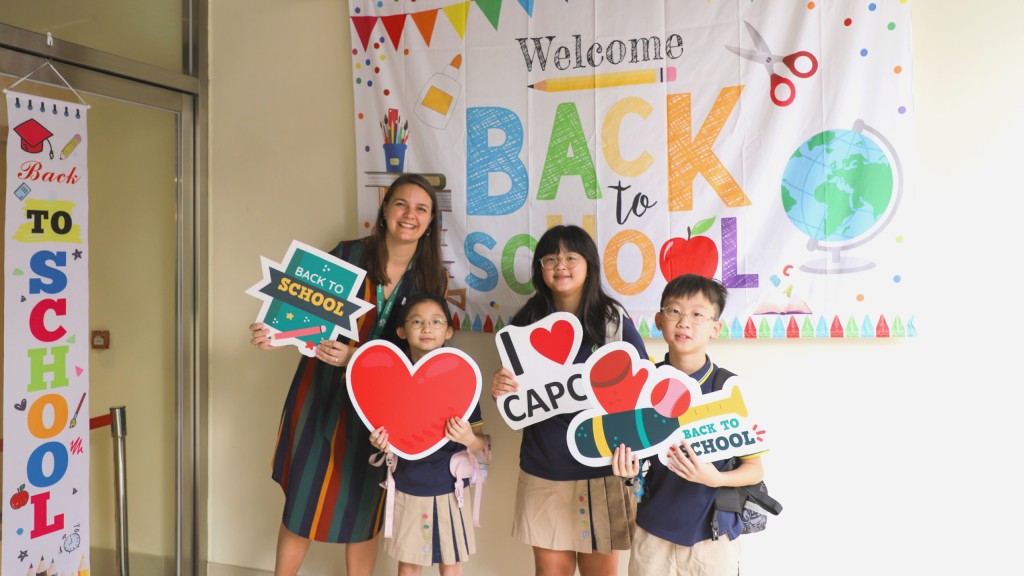
At Christian Alliance P.C. Lau Memorial International School (CAPCL), positivity is deeply rooted in its educational strategy. Just as children are inoculated against physical diseases at a young age, their emotional immunity can be strengthened through the cultivation of positive thinking.
Vivid and inspirational, this analogy was shared by Dr Cora Hui, Head of School, in a recent interview with The Standard, which brings out the school’s commitment to equipping its students with not only knowledge but also the emotional resilience developed through instilling positive thinking and habits early in life.
By nurturing positive habits of thought, language and behaviour from an early age, Dr Hui believes children can grow into adults who not just survive but thrive when faced with adversity.
This mindset forms the foundation of CAPCL’s educational philosophy, anchored in the PERMA framework – Positive Emotion, Engagement, Relationships, Meaning (through community service) and Accomplishment. It is an approach that blends rigorous academic pursuit with social-emotional growth, guided by the school’s Christian values.
From theory to practice: the “Strength Gym”
One of the school’s most imaginative PERMA-based initiatives is what Dr Hui calls the "Strength Gym". Unlike traditional education models that focus on correcting deficiencies, pupils are encouraged to focus on their strengths while staying motivated to improve what they are less competent at.
She explained: "Instead of dwelling on what children aren't good at, we train them to recognise and develop what they excel at. This reframing is critical in rewiring the brain to be optimistic."
Rooted in the science of neuroplasticity, this initiative is designed to overcome what psychologists term the “negativity bias” – our natural tendency to focus on the bad rather than the good.
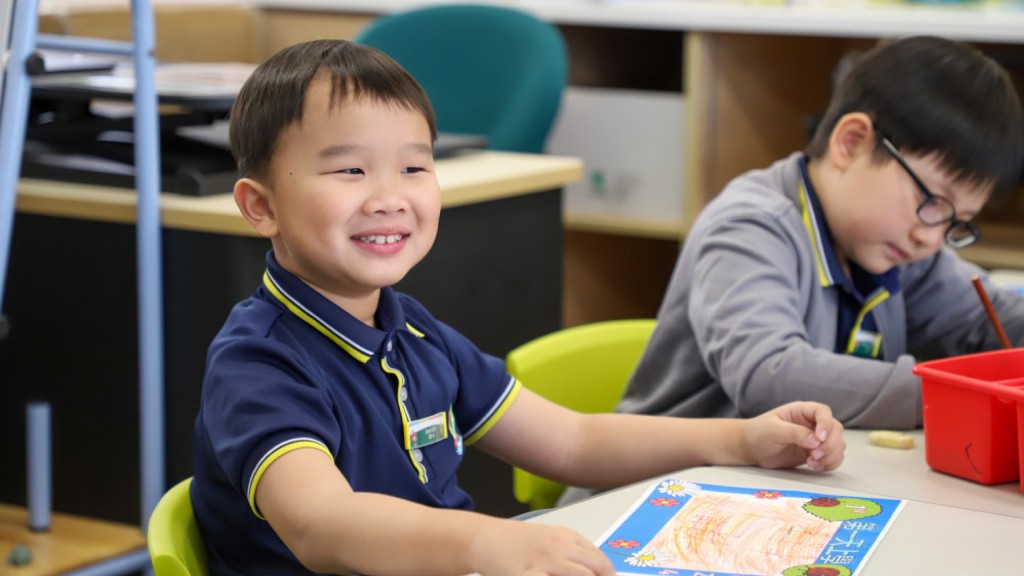
At CAPCL, young learners are taught to consciously revisit joyful memories and to articulate these stories as part of their bilingual learning experience.
"Every time a child retells a positive experience, it becomes further ingrained in their psyche. The practice fosters confidence, emotional regulation and expressive language skills,” said Dr Hui.
Language of praise and self-belief
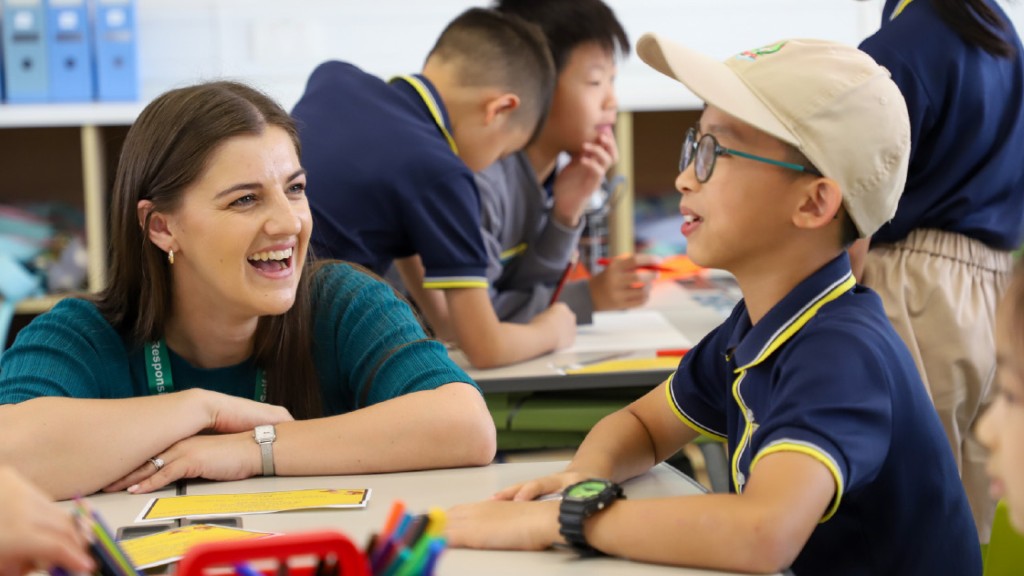
Praise, too, comes through strongly in CAPCL’s classrooms. Teachers are trained not merely to applaud achievements but to recognise qualities such as perseverance, courage, kindness and character.
"Children are naturally motivated to seek approval. When we acknowledge their positive behaviours and character traits, they strive to repeat them,” she said.
The school also employs the ABC model of explanatory thinking: A for the activating event, B for belief and C for consequence. Students learn that while they may not have control over what happens, they can control how they interpret them. This mindset helps CAPCL equip its pupils to bounce back from setbacks with a sense of agency.
In addition, CAPCL staff and students practise a daily “WWW” exercise – short for “What Went Well” – a simple, time-efficient gratitude ritual designed to rewire the brain towards positivity and release feel-good neurochemicals like dopamine.
Meditation in motion
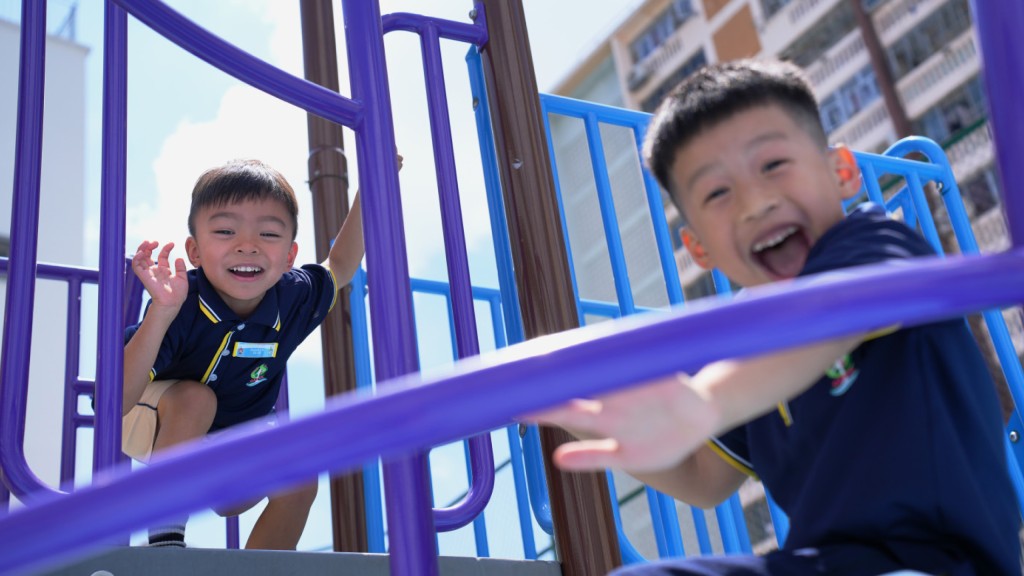
Another unique element of CAPCL's well-being curriculum is the use of moving meditations, which are gentle physical activities designed to help pupils pause, reflect and regulate their emotions.
"Meditation doesn’t have to be seated or silent. Even a short walk or purposeful movement can help children calm down, recentre and respond constructively rather than reactively."
Such activities, alongside regular chapel gatherings, foster a predictable routine that helps students feel safe and grounded. This rhythm is key, she said, to reducing anxiety and enhancing readiness to learn.
Bringing parents along the journey
In Hong Kong where academic pressure often begins early, shifting or reshaping parental mindsets can be a challenge. Yet Dr Hui sees this as an integral part of CAPCL’s mission.
"From the moment a family joins our school, we’re transparent about our approach. We're not an exam-driven institution. We focus on nurturing well-rounded individuals."
To help ensure school and home stay on the same page, CAPCL hosts three parent engagement sessions each month and sends weekly e-notices. Parents are also invited to take part in chapel services, classroom observations, and discussion forums.
Such initiatives are inclusive of the school’s growing international community. "It’s a human one. Every culture values joy, purpose, connection and accomplishment,” she said, further explaining that many parents don’t just need strategies but seek emotional solidarity. "They already know what to do, but they need to feel seen. Just knowing another parent faces the same challenges can be a relief."
A bilingual bridge to the co-homeroom teaching model
The school’s commitment to developing articulate, self-aware learners is reinforced further by its bilingual co-homeroom teaching model (65% English, 35% Mandarin). Pupils are encouraged to recount their experiences in both languages, helping them make emotional and linguistic connections.
"Storytelling, especially about one’s own joyful moments, is a powerful cognitive and emotional tool. It enhances language acquisition and personal identity."
This approach strikes a chord with many expat families, who often find that CAPCL’s blend of faith-based values, bilingual fluency and whole-person education prepares their children for success in global academia while guiding them towards purposeful, fulfilling lives.
Building resilience through STREAM
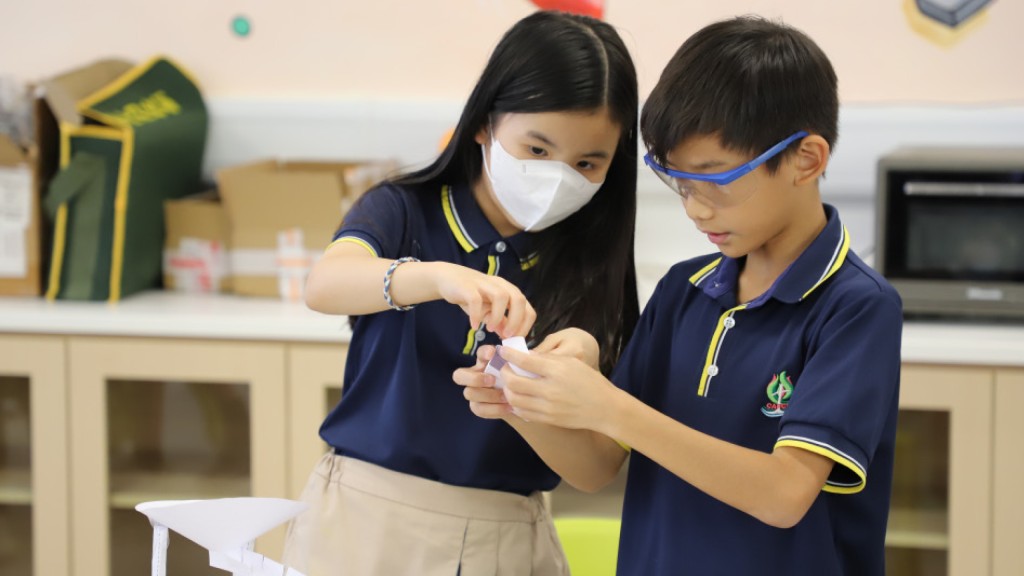
PERMA principles are also integrated into the school’s STREAM curriculum (Science, Technology, Reading, Engineering, Arts and Mathematics). Dr Hui pointed out that positive emotional states improve attention, memory and creativity, all essential for success in interdisciplinary learning.
"When students feel safe and valued, they are more open to new ideas and more likely to persevere through challenging projects." That’s why every STREAM activity, from design thinking to problem-solving, is underpinned by a PERMA lens.
Teaching children to reframe failure – from “I am stupid” to “I made a poor choice but can do better” – can also become a life-long cognitive toolkit that protects them against self-doubt and despair, Dr Hui added.
Perhaps most poignantly, students are given daily challenges to perform simple acts of kindness, from offering compliments to classmates to tidying communal spaces. These small gestures create a ripple effect of positivity throughout the campus.
A vision of lasting impact
As CAPCL looks forward to another academic year with PERMA as its guiding principles, Dr Hui remains confident in its transformative potential.
“We’re cultivating children who know how to face life with hope, humanity and heart. You may not see the fruit of a seed you plant today, but if you water it with care, one day it becomes a tree that gives shade to others,” she said.
And just like that, a new generation gains more than an education; they gain a shield against life’s challenges. With each lesson rooted in positivity and purpose, CAPCL prepares its students to face the world with confidence and resilience.
Christian Alliance P.C. Lau Memorial International School
2 Fu Ning Street, Kowloon, Hong Kong
Tel: 2713 3733
Email: info@capcl.edu.hk
Website: www.capcl.edu.hk