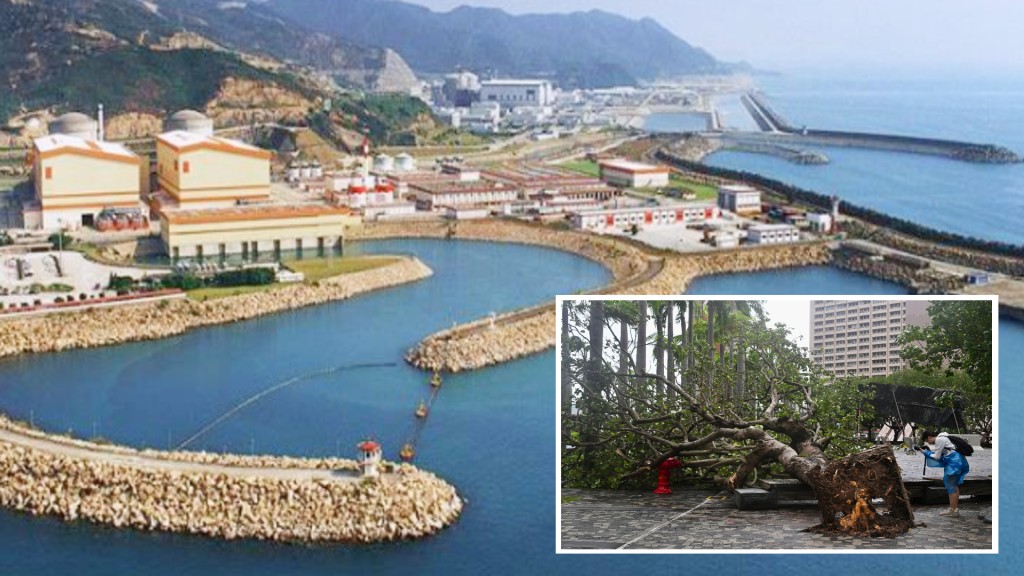
Typhoon Wipha, though disruptive, caused far less damage than past storms like Hato in 2017, Mangkhut in 2018 or Saola in 2023.
This improvement reflects the Hong Kong government’s progress in disaster preparedness, but addressing the root cause – climate change – requires more than short-term measures, and public awareness and long-term climate strategies are critical to safeguarding Hong Kong’s future.
In previous years, storms caused significant flooding in areas such as Heng Fa Chuen, where dozens of vehicles were destroyed. By contrast, this year saw fewer disruptions due to better coordination and infrastructure improvements.
An inter-departmental meeting chaired by Chief Secretary for Administration Eric Chan Kwok-ki ensured effective agency coordination. The Drainage Services Department deployed pumps and flood-prevention equipment in advance, minimizing damage. These efforts reflect progress although decisions like the premature suspension of classes on July 11 have drawn criticism. Fortunately, Wipha struck on a Sunday, sparing the city economic losses and public backlash.
Nevertheless, disaster preparedness is only a short-term solution. The root cause of intensifying storms lies in climate change.
Global crisis requires local action
Extreme weather events worldwide, from South Korea’s torrential rains to Europe’s record-breaking heatwaves, underscore the accelerating impact of climate change. Hong Kong must act decisively to reduce greenhouse gas or GHG emissions and transition to sustainable practices.
Power generation, Hong Kong’s largest GHG contributor, must shift toward cleaner energy.
While solar energy is gaining traction, its intermittent nature limits reliability. Expanding nuclear energy, which already provides 25 percent of Hong Kong’s power, offers a stable, low-carbon alternative. By embracing nuclear energy, the city can make significant strides toward its carbon neutrality goals.
Encouraging change for carbon reduction
Driving behavior changes is essential for sustainability. Programs like Hong Kong’s feed-in tariff scheme, which incentivizes solar energy generation, have shown promise. Expanding initiatives such as smart meter programs to encourage energy use during non-peak hours can further reduce emissions.
Transportation also plays a critical role. The government must accelerate the adoption of electric vehicles through enhanced charging infrastructure and subsidies.
In the aviation sector, transitioning to sustainable aviation fuel is necessary, even if it increases ticket prices.
These changes, while challenging, are vital for reducing emissions in high-impact areas.
Sustainable path forward
Typhoon Wipha serves as a stark reminder of the urgent need for climate action. While better preparedness shields Hong Kong from immediate storm damage, it does not address the long-term risks of rising temperatures and extreme weather.
To secure a sustainable future, Hong Kong must adopt a comprehensive approach. Expanding renewable and nuclear energy, promoting green transportation, and encouraging eco-friendly habits are all critical steps. Public awareness campaigns, innovative policies, and private sector collaboration will be essential in driving these changes.
By prioritizing sustainability and reducing GHG emissions, Hong Kong can position itself as a global leader in climate action while protecting its future.