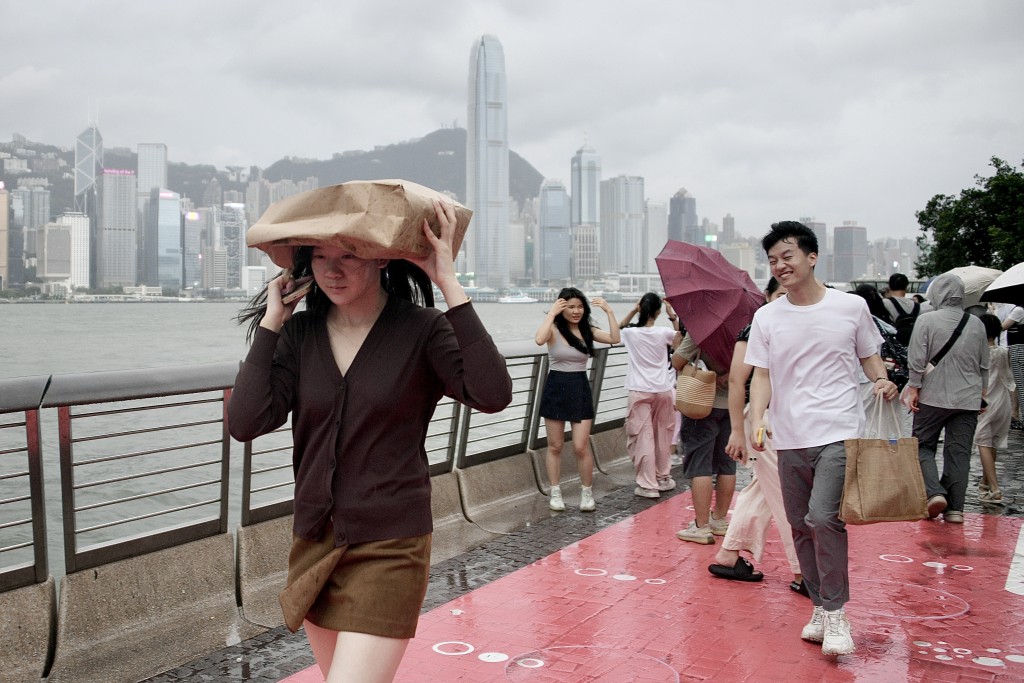
As summer vacations bring crowds to popular destinations, overtourism has become a pressing global concern. It disrupts the lives of local residents, diminishes the visitor experience, and strains the environment. With Hong Kong preparing for the October Golden Week, addressing overtourism is critical to balancing the economic benefits of tourism with its social and environmental costs.
The global challenge of pvertourism
Overtourism has emerged as a significant issue worldwide, particularly as travel rebounds post-pandemic. Iconic destinations in Europe, such as Mediterranean beach resorts, Alpine ski towns, and historic cities, are struggling under the weight of visitor numbers.
Paris, for instance, recorded over 400,000 tourists per square kilometer last year – 20 times its resident population.
Greece earned a record €21.7 billion (HK$199.2 billion) in direct tourism revenue in 2022 and an additional €42.7 billion (HK$392 billion) in indirect revenue. However, this success has brought congestion, pollution and housing shortages.
Spain’s Balearic Islands have seen environmental damage, with wastewater dumping harming seagrass beds essential for climate resilience.
Platforms like Airbnb and VRBO have exacerbated these impacts, shrinking long-term rental markets and forcing locals to compete for housing with short-term visitors.
Many neighborhoods are disrupted by noise, partying tourists, and skyrocketing costs. Even essential local businesses are being replaced by tourist-focused souvenir shops, leaving residents with fewer resources.
Overtourism in Hong Kong
Hong Kong is no stranger to the challenges of overtourism. Social media platforms like Xiaohongshu have driven crowds to previously little-known locations, creating pressure on infrastructure and the natural environment.
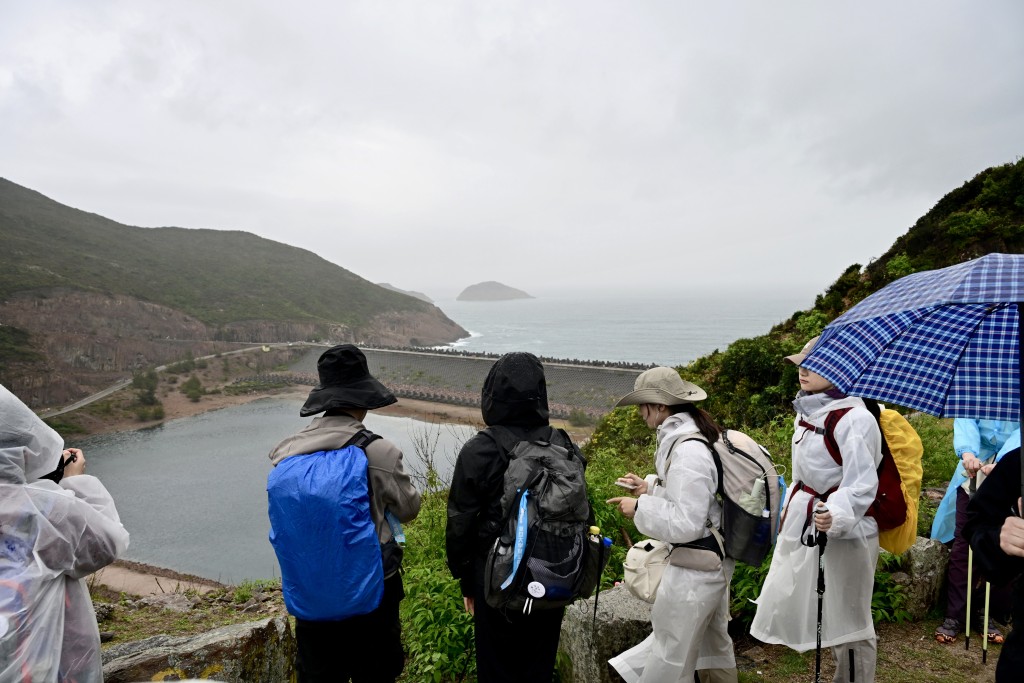
Po Pin Chau, a scenic spot known for its hexagonal volcanic columns, is a prime example. After going viral on Xiaohongshu, the site began attracting massive crowds, despite lacking public transport access. The Transport Department eventually introduced minibus services to manage the influx. However, such reactive measures only address short-term problems.
Even simple locations, such as Macdonnell Road, have seen surges in visitors after gaining popularity online.
These examples underscore the need for strategic, proactive management of Hong Kong’s tourism industry.
Sustainable tourism strategies
The Hong Kong government has announced nine tourism projects aimed at diversifying visitor experiences and distributing tourist traffic more evenly. These include:
- Revitalizing the Former Yau Ma Tei Police Station.
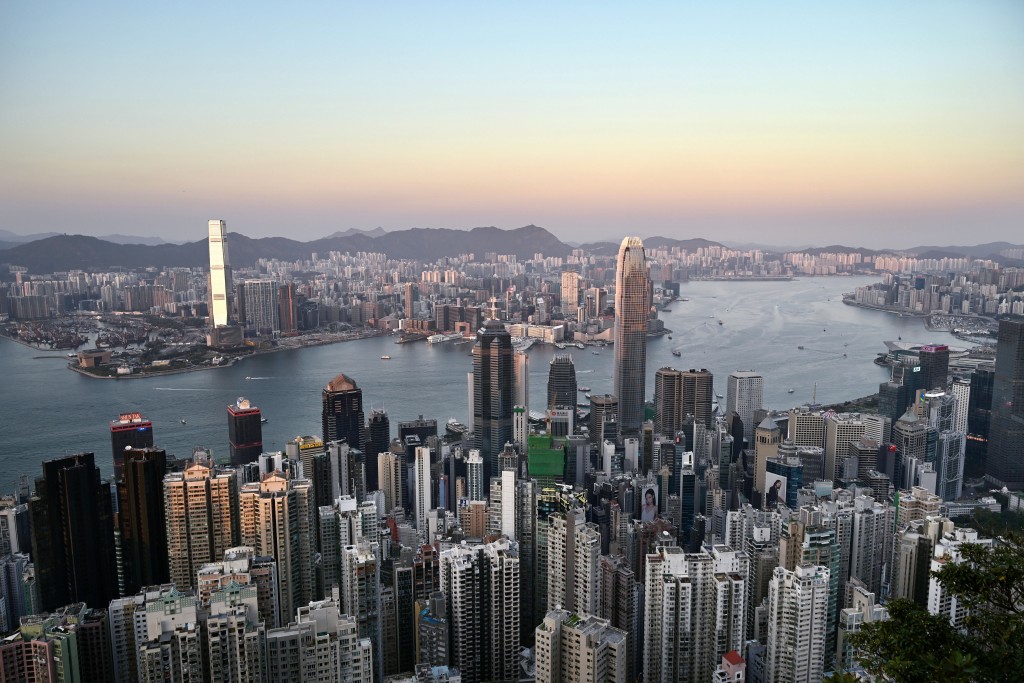
- The “Four Peaks” initiative, focusing on The Peak, Lantau Peak, Sai Kung Hoi and Tai Mo Shan.
- Developing the Pink Trumpet Tree Garden and the Victoria Park Bazaar.
While promising, these initiatives must be complemented by sustainable tourism strategies to address existing challenges and prevent overtourism from worsening.
1. Visitor caps
Introduce limits on the number of tourists allowed at high-traffic locations, similar to measures in places like Machu Picchu and Venice.
2. Promote lesser-known attractions
Encourage tourists to visit underexplored areas to reduce pressure on iconic landmarks like The Peak or Po Lin Monastery.
3. Invest in sustainable infrastructure
Develop eco-friendly transport options and facilities that accommodate tourists while minimizing harm to the environment.
A Balanced Future for Tourism
Overtourism not only disrupts communities but also harms the environment and diminishes the appeal of destinations. By adopting sustainable practices, Hong Kong can protect its natural and cultural heritage, improve residents’ quality of life, and ensure a high-quality experience for visitors.
Global examples demonstrate how proactive policies can mitigate the effects of overtourism.
For instance, Amsterdam’s tourism taxes fund public infrastructure, while Venice’s entry fees regulate visitor numbers. Hong Kong can take inspiration from these efforts to ensure its own tourism industry grows responsibly.
As Hong Kong prepares for the October Golden Week and unveils its new tourism initiatives, it stands at a crossroads. Tourism must benefit both visitors and residents without compromising the environment or local culture. With careful planning, Hong Kong can ensure sustainable tourism, making the industry remain vibrant, equitable and resilient for generations to come.