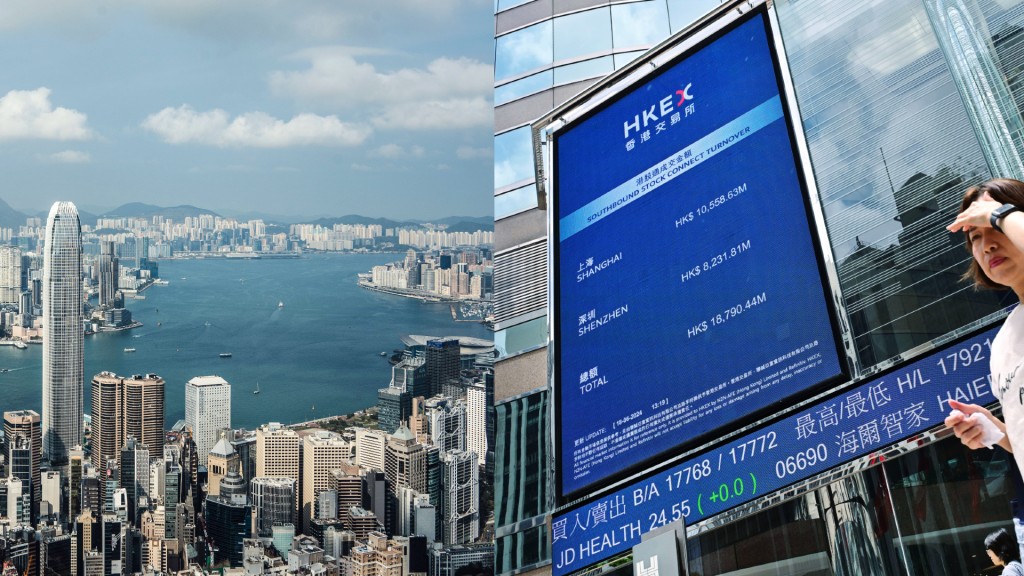
Hong Kong’s leap from fifth to third place in the 2025 World Competitiveness Ranking report published by the International Institute for Management Development in Switzerland is a testament to its resilience and strategic progress.
Trailing only behind Switzerland and Singapore, the ranking underscores Hong Kong’s ability to adapt to global challenges and seize emerging opportunities.
The improvement stems from progress across four key factors: economic performance, business effectiveness, government effectiveness and infrastructure. The city even ranked second in terms of government efficiency.
These advancements not only reflect the city’s robust foundation but also position it as a magnet for both investment and talent. Evidence of this lies in the influx of nearly 300 foreign and mainland companies, along with over 35,000 talent, who have chosen Hong Kong as their base.
Top fund-raiser in first half of 2025
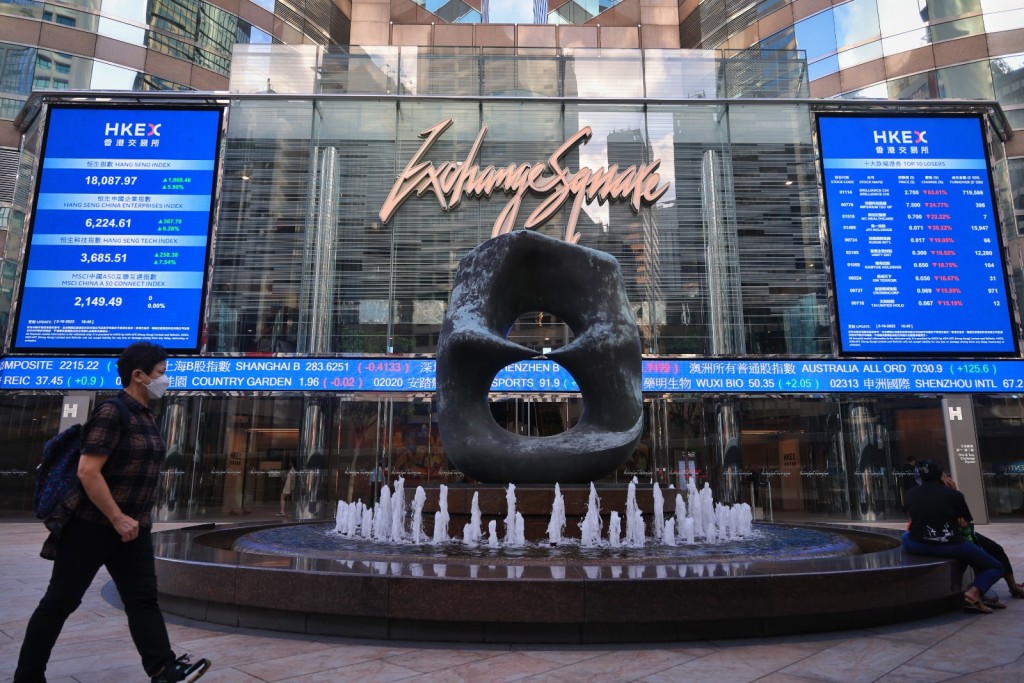
Hong Kong’s performance in the capital markets further reinforces its competitiveness. By raising HK$108.7 billion in the first half of 2025, the city reclaimed its status as the world’s top listing destination in the face of global economic uncertainties. Even Morgan Stanley’s former Asian chairman, who once declared Hong Kong “over,” acknowledged the city’s critical role as an international financial hub for mainland companies and a free port benefiting from financial decoupling between the United States and China.
However, challenges remain. Rising unemployment and a wave of shop closures are notable concerns, even as Chief Executive John Lee Ka-chiu attributes them to structural reforms. While these issues require immediate attention, they do not overshadow the significant progress Hong Kong has made. Importantly, high costs are not necessarily a hindrance to competitiveness. The top-ranked economies, including Switzerland, Singapore, Denmark, and the United Arab Emirates, are all high-cost destinations. In Hong Kong’s favor, commercial rentals are trending downward and its currency has weakened, potentially boosting its appeal.
Strong governance holds the key
Effective governance will be pivotal in addressing these challenges and sustaining Hong Kong’s upward trajectory.
Initiatives like the creation of a Muslim-friendly environment – an area previously overlooked – reflect the government’s growing attentiveness to diverse needs, which can enhance Hong Kong’s global appeal.
Making senior government officials accountable is another step in the right direction. Under this system, senior officials will have their salaries frozen for recurring and serious issues in policy execution. While principal officials are responsible for policy formulation, senior civil servants oversee implementation. Currently, they are penalized only for personal misconduct, not for performance lapses.
Also, Hong Kong must confront its lagging productivity compared to regional rival Singapore. In 2024, Hong Kong’s gross domestic product per capita was US$52,328 (HK$408,158), significantly lower than Singapore’s US$86,248, according to World Economics. Notably, in 1997, the two cities were on par, with Hong Kong’s GDP per capita at US$27,330 and Singapore’s at US$26,376.
Singapore’s rapid development over the past 28 years highlights the urgency for Hong Kong to accelerate its growth.
With its strong capital markets, growing talent pool, and improving governance, Hong Kong has a promising outlook. By addressing existing challenges and fostering innovation, the city can go the extra mile to solidify its position as a global leader in competitiveness.