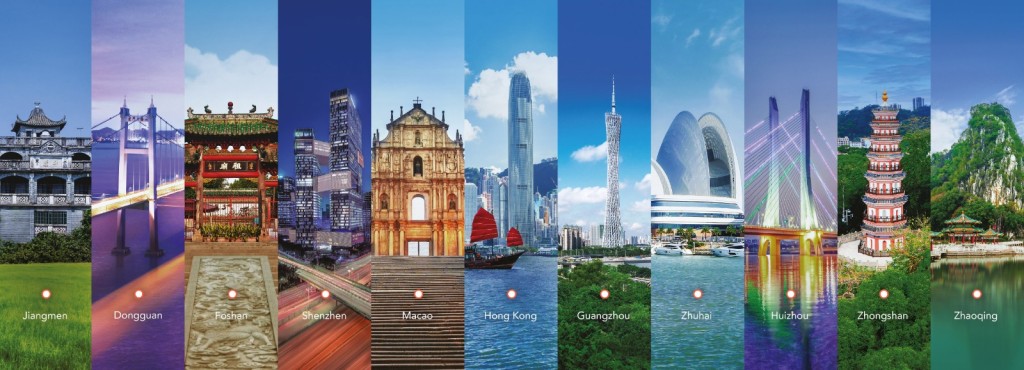
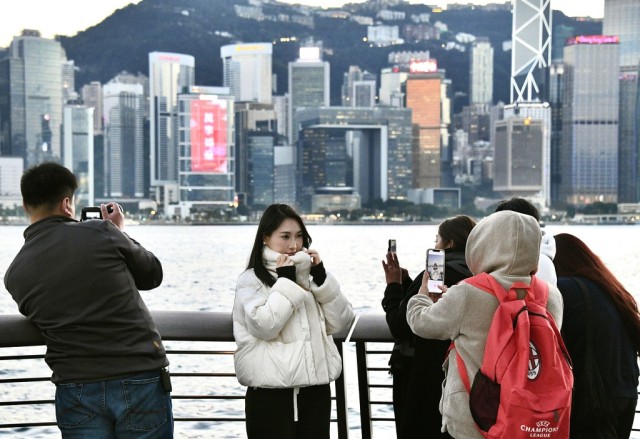
Hong Kong Tourism Board chairman Peter Lam Kin-ngok is right in emphasizing that Hong Kong should plan its tourism strategy with the Greater Bay Area as a whole.
This approach is not only logical but also essential for attracting long-haul travelers, particularly from the West.
By leveraging the collective strengths of the GBA and China’s diverse cultural and natural attractions, Hong Kong can position itself as a gateway to a rich tapestry of Chinese experiences.
The GBA offers a unique opportunity to showcase Lingnan culture, which is deeply rooted in the history of Hong Kong, Macau, and Guangdong.
While Hong Kong and Macau are modern cities, Guangdong provides deeper insights into traditional Lingnan culture. For instance, the legendary Ip Man Kung Fu and other facets of Guangdong’s heritage offer a rich narrative that complements the urban appeal of Hong Kong and Macau.
Entice Western long-haul travelers
For long-haul travelers, visiting the GBA provides a chance to immerse themselves in varied experiences within a single trip.
Given the time and cost required for Western tourists to travel to this part of the world, the ability to explore multiple cities and cultural dimensions within a single region is a major draw.
It also allows visitors to appreciate the diversity of Chinese culture, from the colonial influences of Hong Kong and Macau to the traditional and modern facets of Guangdong.
Hong Kong’s proximity to other Asian countries like Singapore, Malaysia, and Thailand has led local travel agencies to create multi-destination packages featuring these nations.
However, Hong Kong should instead focus on developing travel themes with the mainland that highlight history, culture, nature, and cuisine.
For example, packages could tie in the ancient history of the Terracotta Warriors in Xi’an, the Great Wall, and the Dunhuang Caves with the Nanyue King Wen’s Mausoleum in Guangzhou and the Lei Cheng Uk Han Tomb Museum in Hong Kong.
For modern history, travelers could explore Sun Yat-sen’s legacy across Guangzhou, Zhongshan, and Central in Hong Kong, as well as Macau, paired with visits to Kowloon Walled City Park and colonial architecture in Qingdao and the two SARs.
Abundance of natural attractions
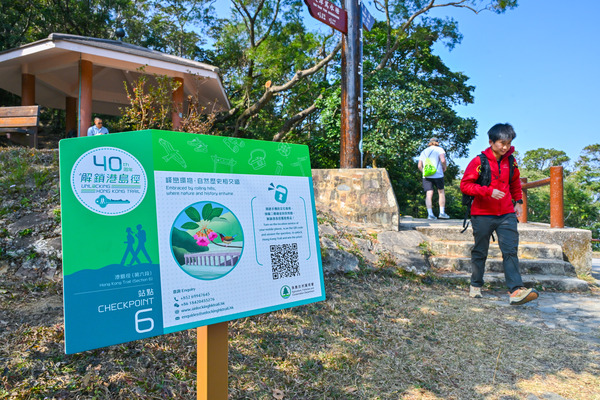
Nature lovers, meanwhile, could enjoy Hong Kong’s mountains, beaches and outlying islands, alongside mainland treasures like the Five Great Mountains, the beaches of Hainan, and the picturesque landscapes of Guilin.
China’s culinary diversity is another major selling point. While Hong Kong’s food scene is world-renowned, tourists can also explore regional cuisines, from spicy Sichuan dishes to the delicate flavors of Cantonese dim sum.
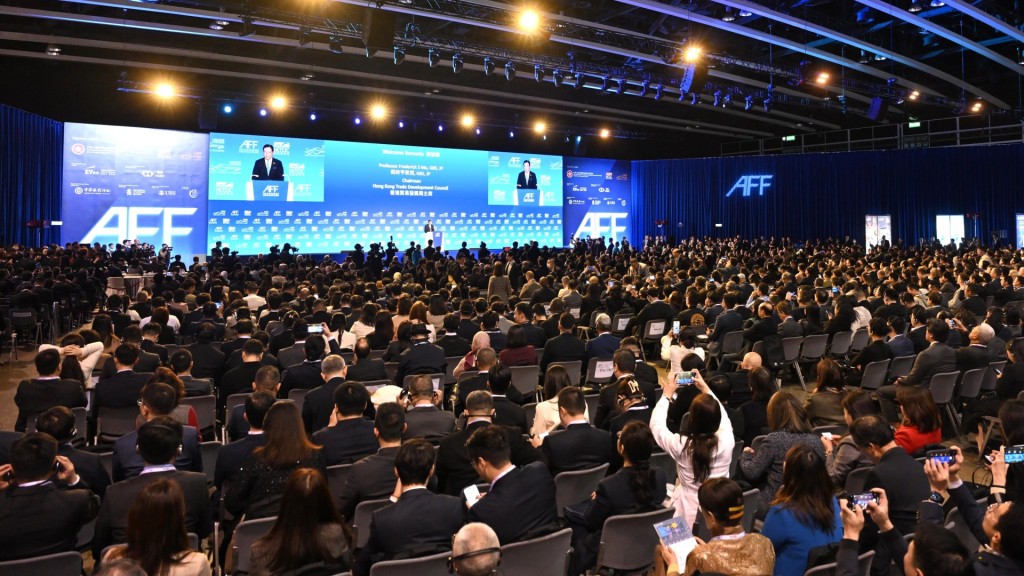
Like Singapore, Hong Kong continues to invest in meetings, incentives, conferences and exhibitions, or Mice, tourism. However, it must also market itself as a destination for leisure travelers from all walks of life.
Hong Kong is well connected with the mainland via the High Speed Railway, Hong Kong-Zhuhai-Macao Bridge and several ports. By integrating its tourism strategy with the GBA and mainland China, the city can offer travelers a seamless experience that combines the best of both worlds – modernity and tradition, urban and rural, east and west.
By thinking beyond its borders and embracing a broader vision, Hong Kong can unlock the full potential of its tourism industry and attract a diverse range of visitors.