The establishment of the International Organization for Mediation, or IOMed, headquarters in Hong Kong is a testament to the city’s global reputation for rule of law, its common law system, and its strategic role as a gateway between East and West.
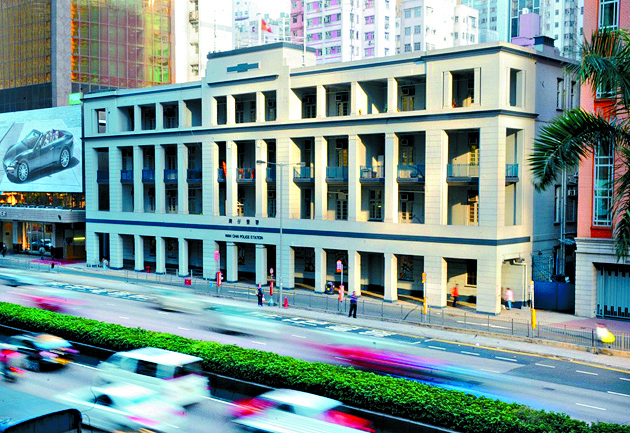
The headquarters, housed in the historic former police station in Wan Chai, is expected to open by the end of the year at the earliest. This development underscores Hong Kong’s position as a global center for dispute resolution.
This Friday, Wang Yi, China’s top diplomat, will join representatives from 60 countries and 20 international organizations, including the United Nations, for the signing of the IOMed convention.
The event comes at a crucial time as rising geopolitical tensions and the ongoing tariff war are expected to increase global trade disputes. As a free port and an international trading hub, Hong Kong is ideally positioned to play a pivotal role in resolving these conflicts.
Mediation in cyberspace
Mediation is gaining traction as a less formal and more cost-effective alternative to litigation and arbitration. It allows parties to resolve disputes privately while preserving relationships.
Unlike litigation, mediation fosters cooperation, confidentiality, and goodwill. Mediators can also come from diverse industries, leveraging expertise beyond the legal field – an area where Hong Kong’s professional talent pool shines.
Modernizing mediation with cyberspace facilities will further enhance Hong Kong’s appeal as a global hub. Virtual mediation platforms can eliminate geographical barriers, allowing parties from different countries to participate remotely. This hybrid approach reduces costs, increases flexibility, and ensures accessibility for businesses navigating a highly interconnected world.
Mediation also helps alleviate pressure on Hong Kong’s legal system. By diverting disputes away from the courts, mediation reduces caseloads, enabling the judiciary to focus on complex cases.
HQ complements arbitration center
The IOMed headquarters will complement the city’s International Arbitration Centre, solidifying Hong Kong’s status as a global dispute resolution hub. While arbitration caters to high-value and technical disputes, mediation offers a less adversarial option, creating a comprehensive ecosystem for resolving conflicts. Together, these institutions make Hong Kong a one-stop shop for international dispute resolution in Asia.
Hong Kong’s unique advantages, including its adherence to common law, low taxation, and proximity to mainland China, further strengthen its position. As companies seek efficient and neutral venues for resolving disputes, Hong Kong’s integration of traditional and modern dispute resolution methods ensures it remains competitive.
The decision to establish the IOMed headquarters in Hong Kong reflects global confidence in the city’s legal and economic systems, even amid geopolitical challenges.
As the IOMed prepares to launch, Hong Kong continues to demonstrate its adaptability and resilience showing the world that the city is well-prepared to meet the evolving needs of businesses, governments and individuals. Hong Kong’s role as a leading global hub for mediation and dispute resolution is now stronger than ever, positioning the city for continued success on the international stage.