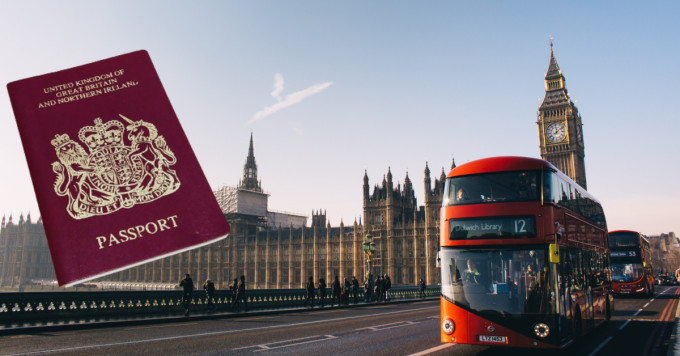
The United Kingdom’s new Immigration White Paper has sparked concerns among Hong Kong emigrants as it significantly tightens migration policies, most notably by doubling the requirement for permanent settlement from five to 10 years and introducing an English-language proficiency test.
While the document does not explicitly mention changes to the British National Overseas or BNO visa scheme, the crackdown comes at a time when many Hongkongers who moved to Britain are reconsidering their future.
With rising anti-immigration sentiment in Britain and a noticeable trend of returnees, should Hong Kong seek to reintegrate these individuals to bolster its economy?
Since Brexit, Britain has seen a sharp decline in EU migrants but opened its doors to arrivals from Ukraine, Afghanistan and Hong Kong.
BNO exodus and UK shifting stance
In 2021, it introduced a special BNO visa allowing Hongkongers to live, work, and eventually apply for citizenship after five years (the so-called “5+1” pathway). By the end of 2023, nearly 220,000 Hongkongers had been granted this visa.
However, net migration to Britain surged to a record 906,000 in June 2023, fueling a public backlash. While the Labour government’s new policy does not directly target BNO holders, it emphasizes “orderly and lawful” migration, leaving room for future adjustments. British consul general in Hong Kong, Brian Davidson has previously stated that the “5+1” policy will remain until at least 2025 but beyond that, uncertainty looms.
Many Hongkongers who moved to Britain are now facing harsh realities: difficulty securing skilled jobs, declining incomes, cultural isolation, and homesickness.
Wave of returnees
Prominent columnist Chip Tsao, who relocated to the UK, notes a growing wave of returnees, with some leaving before even completing the five-year residency requirement.
“Four years ago, I warned that moving to the UK on a BNO visa required careful consideration—it wasn’t a decision to be made impulsively,” Tsao said. “Many left Hong Kong purely for ideological reasons, only to realize that political beliefs cannot outweigh economic realities.”
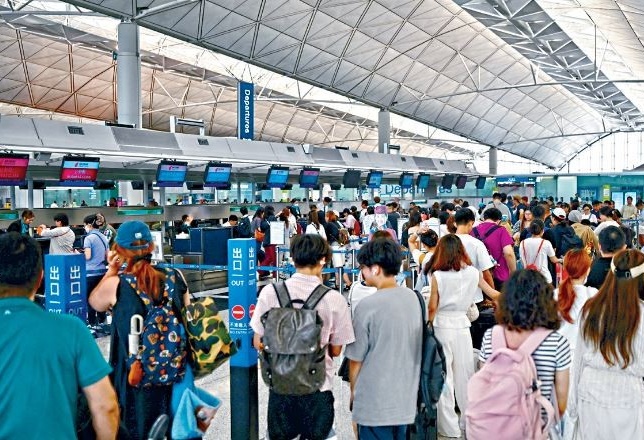
The departure of middle-class families and young professionals has undeniably impacted Hong Kong’s labor market and consumer spending.
If Britain further tightens BNO rules, should Hong Kong roll out incentives to lure them back?
Executive Council member Ronny Tong Ka-wah believes the government should focus on attracting high-skilled global talent rather than specifically targeting BNO returnees. “There’s lingering wariness toward those who opposed the national security law,” he said. “Bringing back individuals who might disrupt social harmony isn’t a priority.”
Lau Siu-kai, a consultant for the Chinese Association of Hong Kong and Macau Studies, goes further, suggesting that many BNO migrants were supporters of the 2019 protests. “Offering them preferential treatment would be unfair,” he argues, adding that returnees might struggle to adapt to Hong Kong’s post-2019 political climate.
However, lawmaker Frankie Ngan Man-yu of the Democratic Alliance for the Betterment and Progress of Hong Kong takes a more pragmatic view.
“Many emigrants are highly skilled but end up underemployed in the UK,” he says. “The British government never truly cared about helping Hongkongers, it just wanted their money.”
He urges those struggling abroad to consider returning, emphasizing that Hong Kong has regained stability and offers better career prospects.