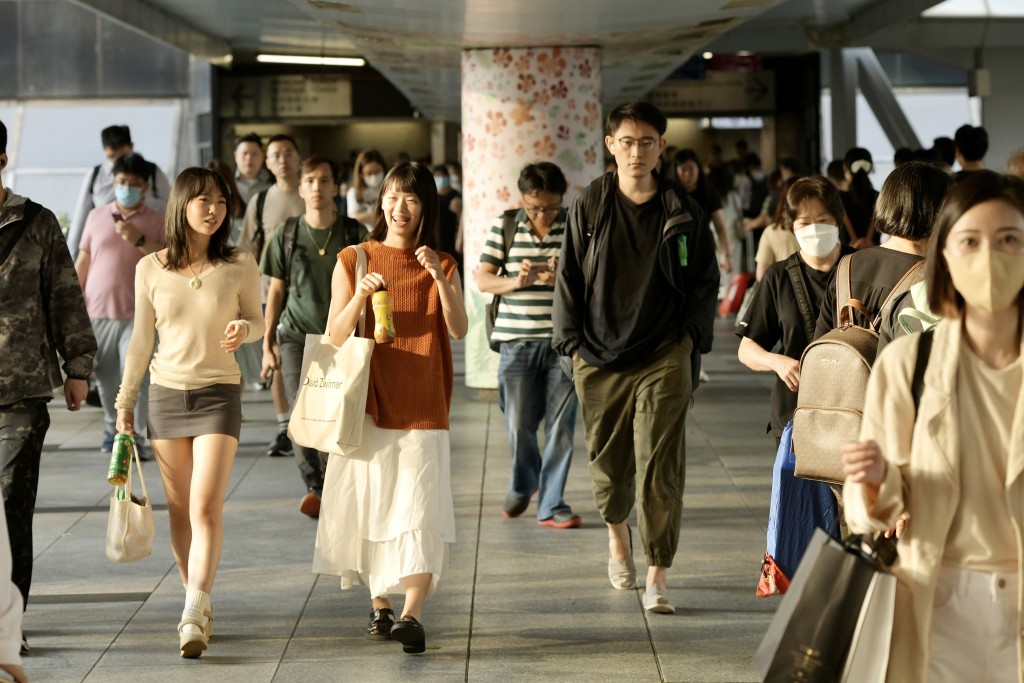
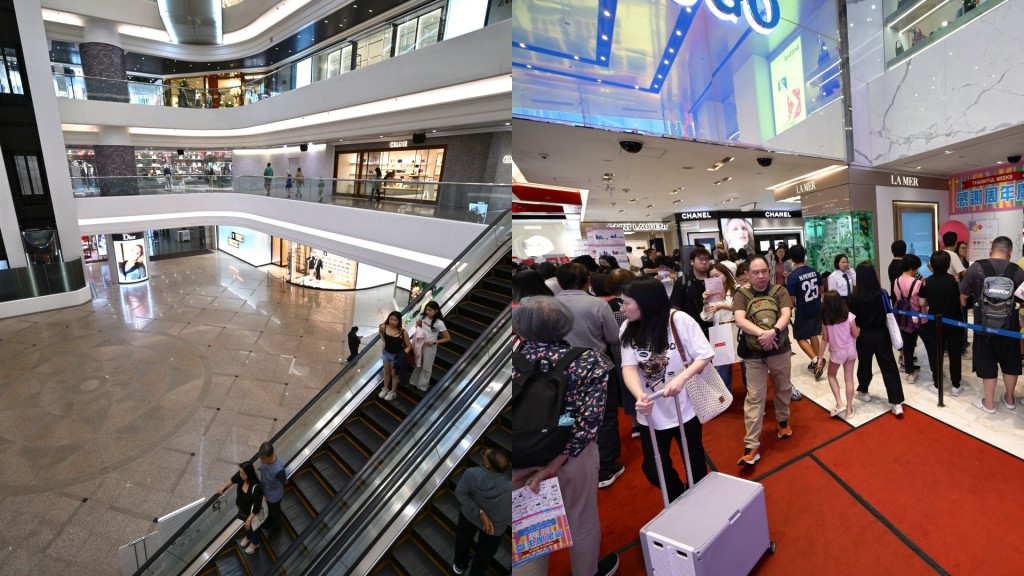
There’s been heated debate over the army of young mainland budget backpackers who visited Hong Kong over the Labor Day holidays.
Critics have labeled them as cheapskates who do not contribute to the local economy and reports of their sleeping in 24-hour McDonald’s outlets have fueled their dismissive comments.
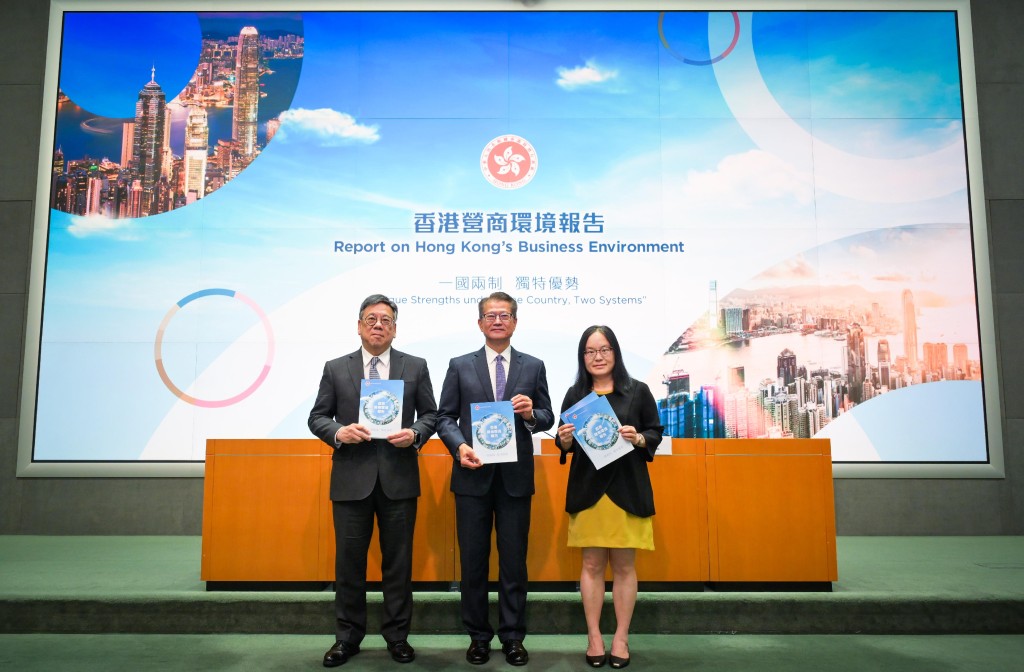
But Chief Executive John Lee Ka-chiu’s remark that all visitors – regardless of their spending power – are customers highlight the truth that tourism is not only about luxury shopping but also about cultural exchange and appreciation of a destination’s unique offerings.
If Hong Kong was known for luxury shopping in the past, we should change this mind-set as the city a wealth of treasures beyond retail.
Driven by curiosity, these backpackers have spotted sites that even locals overlook, which in turn enrich the city’s story.
Many mainlanders explored sites such as High Island Reservoir’s hexagonal volcanic columns formed millions of years ago and Quarry Bay’s monster building, which was featured in international films and captured by renowned photographers like Michael Wolf.
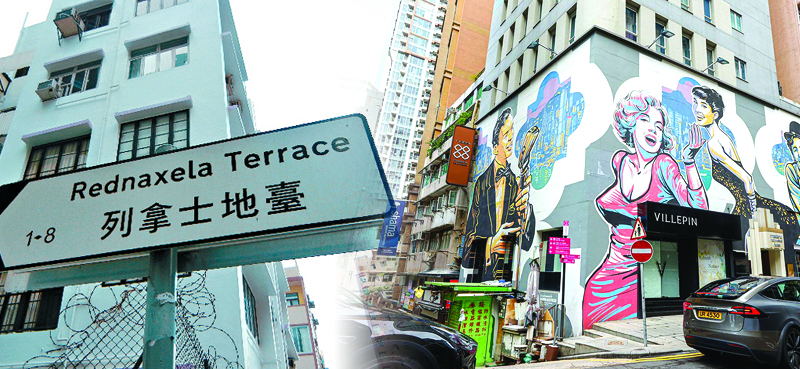
They also visited streets with special names such as MacDonnell Road, to commemorate a Hong Kong governor, Hollywood Road, where such shrubs were grown, and Rednaxela Terrace, which was owned by a man named Mr Alexander and where Filipino revolutionary and national hero Jose Rizal has once lived.
More often than not, they share their discoveries on social media like Xiaohongshu, providing insights into Hong Kong’s often ignored treasures. Instead of dismissing them, shouldn’t Hong Kong recognize their contribution in uncovering lesser-known attractions? Better still, why not compile these discoveries into a travel guide showcasing the city’s diverse attractions?
Budget travelers contribute to the economy in their own little way as they frequent street food vendors and small businesses, opening up opportunities to explore.
For example, could there be small, walking tours on specific themes, where the guides depend on tips rather than fees, as these are rather common overseas?
Many young mainlanders are well-traveled and knowledgeable.
They appreciate Hong Kong’s unique East-meet-West culture, seeking experiences unavailable in the mainland.
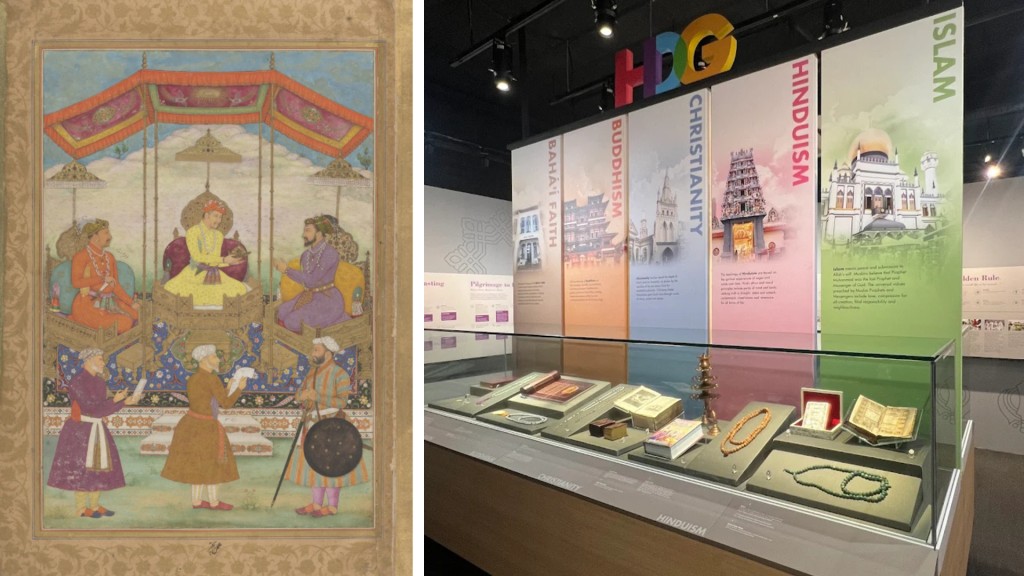
It should surprise no one if a group of young people from Beijing come specifically for the Zoroastrian heritage and Parsi culture here, aspects of history difficult to find elsewhere in the country.
Hong Kong has thousands of years of history way before the British arrived in 1841, which is worth digging deeper into.
Hong Kong should open its arms to this enthusiasm. All tourists – regardless of their pocket’s depth – can contribute to the city’s reputation as a welcoming destination.
The chief executive’s remarks underscore the need for a holistic approach to tourism.
Rather than categorizing visitors based on their spending power, Hong Kong should focus on enhancing the overall travel experience. Understanding the shifting travel patterns and improving accessibility will let all tourists feel welcome and valued.
In cities like Bangkok, Seoul and Tokyo, budget backpackers, students and young adventurers are celebrated for sustaining hostels, street food stalls and local markets. Hong Kong should adopt a similar mindset.
Dismissing travelers from the mainland as cheapskates ignores their overall contribution.