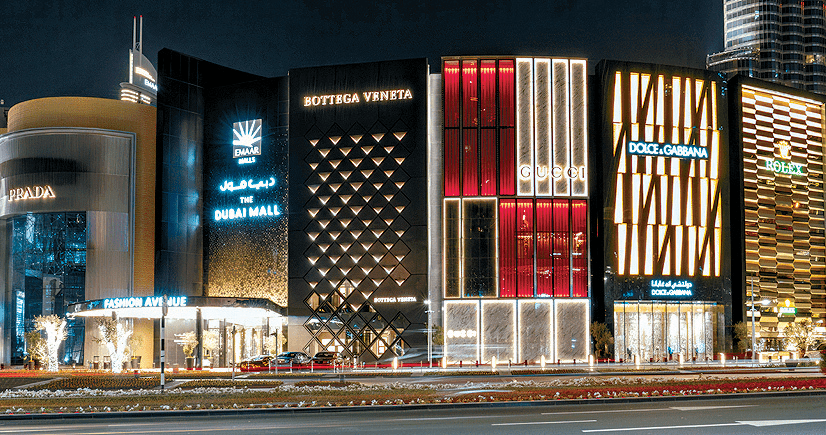
The conflict between the US and Iran has not only affected global oil supplies but also dealt a severe blow to the business of many luxury brands, according to East Week, a sister publication of The Standard.
As Middle Eastern tycoons tighten their purse strings amid the war, the first-quarter earnings of the three major luxury groups – Hermes, LVMH, and Gucci parent company Kering Group – all fell short of market expectations, while their stock prices have plummeted from 16 to 24 percent this year.
Travel by wealthy Middle Eastern individuals has been hindered, leading to a sharp decline in high-spending tourists visiting Europe.
Additionally, supply chain pressures have driven up production costs, impacting the profitability of luxury companies.
Meanwhile, the first-quarter results of the three major luxury conglomerates all fell short due to the Middle East conflict.
Hermes' first-quarter results showed revenue at just €4.07 billion (HK$37.57 billion), with year-on-year growth at 5.6 percent at constant exchange rates compared to the market's expected 7.44 percent.
LVMH's first-quarter sales totaled €19.1 billion, with organic growth at just 1 percent. Kering's core brand Gucci saw revenue drop 8 percent year on year to €1.35 billion.
The slowdown in sales triggered a massive sell-off of the three companies' shares. Year to date, Hermes' stock price has fallen nearly 18 percent; LVMH has dropped 24 percent; and Kering has fallen nearly 18 percent.
Hermes management, as well as LVMH chief executive Bernard Arnault, have warned that if the conflict persists, it will further impact company sales. Arnault also voiced the industry's collective anxiety, saying that the crisis in the Middle East may trigger a “global catastrophe with extremely serious and very negative developments.”
However, executive director of research at uSmart Securities Dickie Wong Tak-kei said that “there are signs of de-escalation in the Middle East, which is conducive to a stock price rebound.”
He also said that “with the booming stock markets in South Korea, Japan, and Taiwan, consumption in the Asian region will rebound. Coupled with the gradual stabilization of purchasing power in the Chinese and Hong Kong markets, and the continued strong demand for luxury goods in the US, even a small piece of positive news will trigger a rebound in luxury stock prices.”