AI-generated film content, which costs about one-tenth of live action filming, has dealt a blow to over two million people who depend on micro dramas to earn a living, according to East Week magazine, a sister publication of The Standard.
Fan Xiang, a photographer who did not receive his pay for over six months after completing a short drama production, said, “There’s clearly been less work this year. Take this month [March], for example – I’ve only landed one job, and my income has dropped below 5,000 yuan (HK$5,692).”
Renowned mainland actress Hao Lei has also noted that, in the long run, artificial intelligence could replace 90 percent of actors.
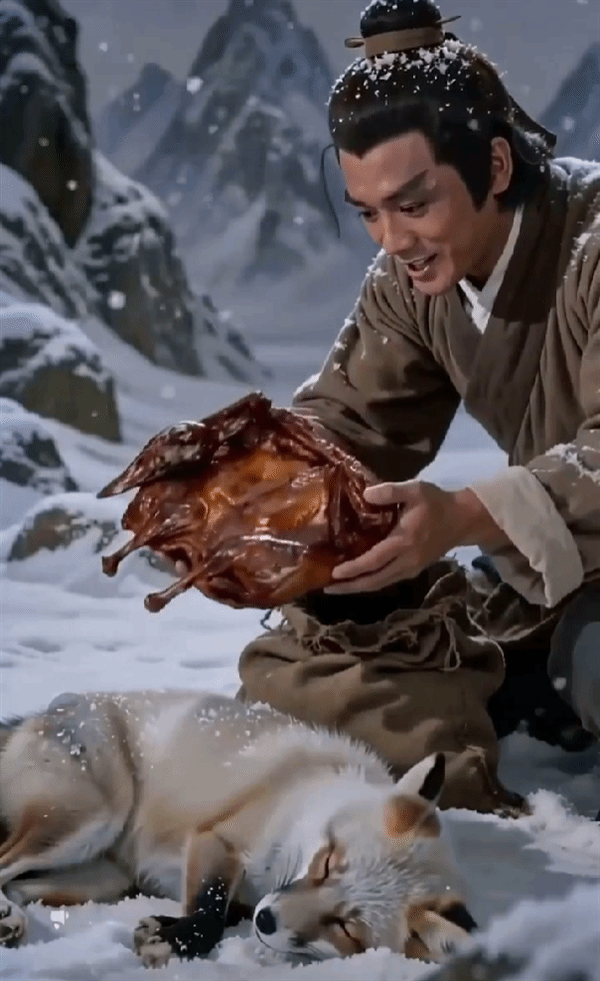
An AI parody of Chinese martial arts movies, Rescuing the Fox on the Snowy Mountain, recently gained traction for its absurd humor. It features a story of a woodcutter feeding a dying fox with braised duck to save it, then facing a vengeful woman – a manifestation of the same braised duck's spirit.
Woodcutter saves a fox, in the AI short Rescuing the Fox on the Snowy Mountain.
The film amassed over 5 billion views, sparking a wave of fan-created content, with even Taiwanese celebrity Jolin Tsai I-lin joining the bandwagon. Originally intended to advertise braised duck products, the movie was created by four young adults and cost little to produce.
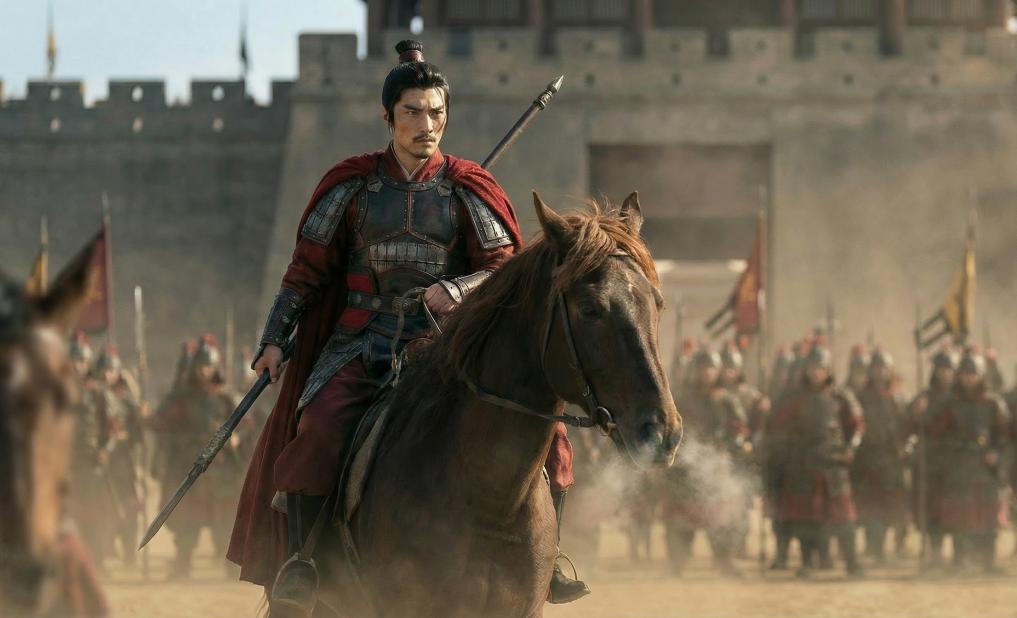
Meanwhile, Huo Qubing – another AI short movie, inspired by a famous Han dynasty general – featured extremely detailed scenes with soldiers and horses. It recently debuted in the mainland and was advertised to have cost only 3,000 yuan, though the numbers did not account for the salaries of the 20-member crew.
Businesses are now more inclined to invest in AI production for cheap value and good returns. According to research firm DataEye, the Chinese market for short movies is set to exceed 120 billion yuan this year, surpassing the mainland’s box office revenue. In January 2026’s top 100 drama chart, the proportion of AI movies has reached 38 percent from the previous January's 7 percent.
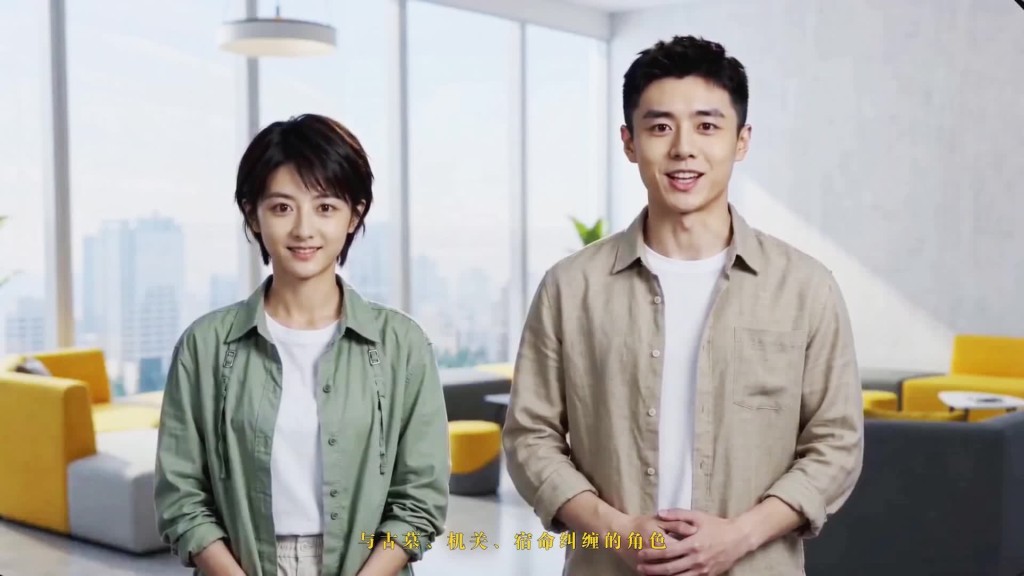
AI actors Qin Ling Yue, right, and Lin Xi Yan.
AI actors are also emerging in the entertainment industry. Two AI actors, Qin Ling Yue and Lin Xi Yan, were set to star in 60 shorts in the future. However, the pair has been accused of copying certain features of various Chinese actors. Legal experts said even when photographs were not directly used in AI generation, if the public could recognize specific figures from an actor, the AI production may still infringe portrait rights and incur legal liability.