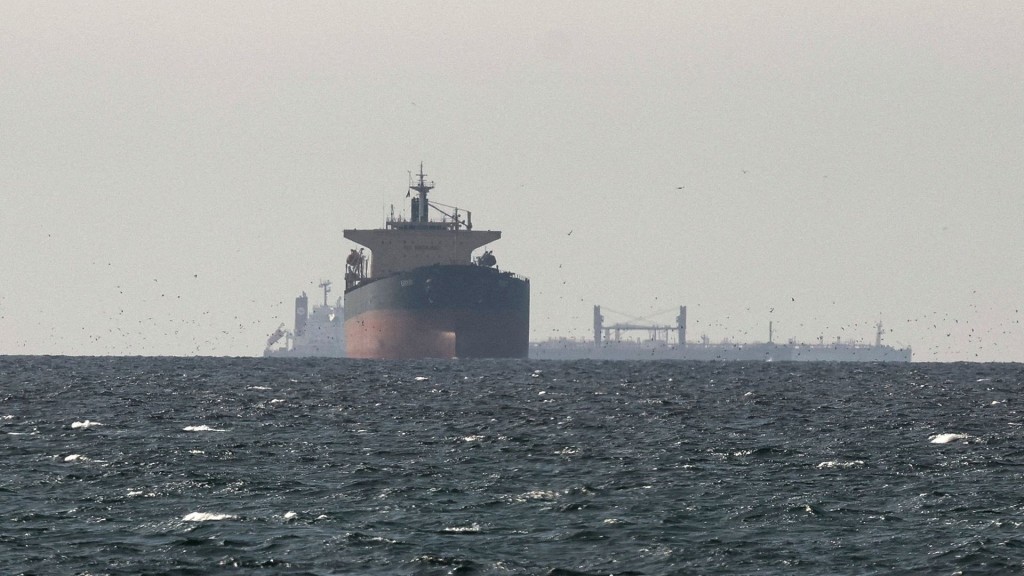
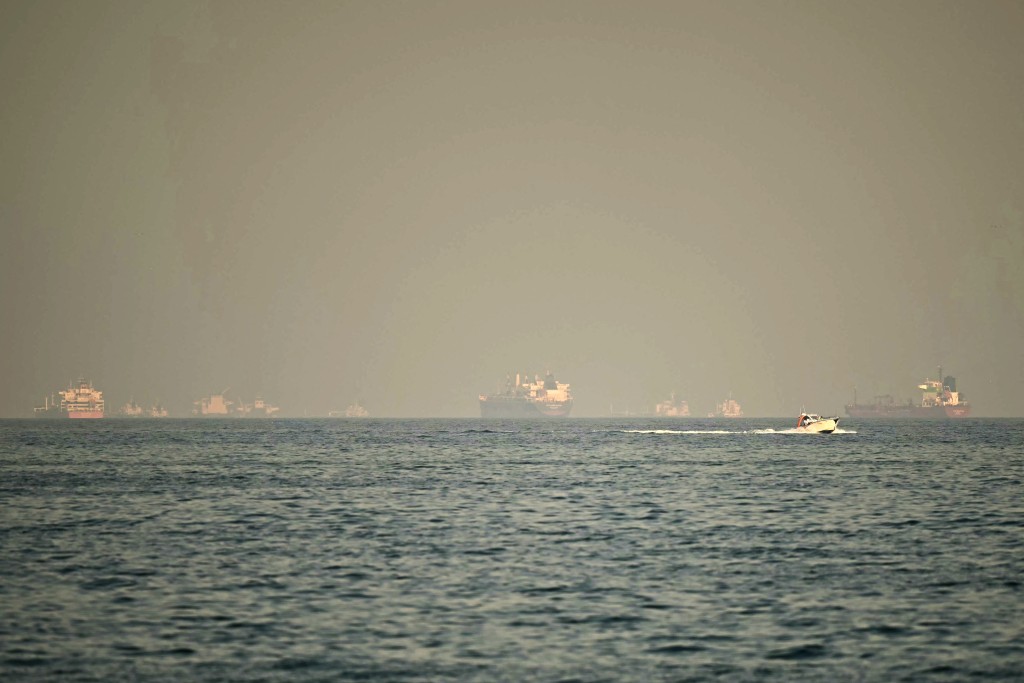
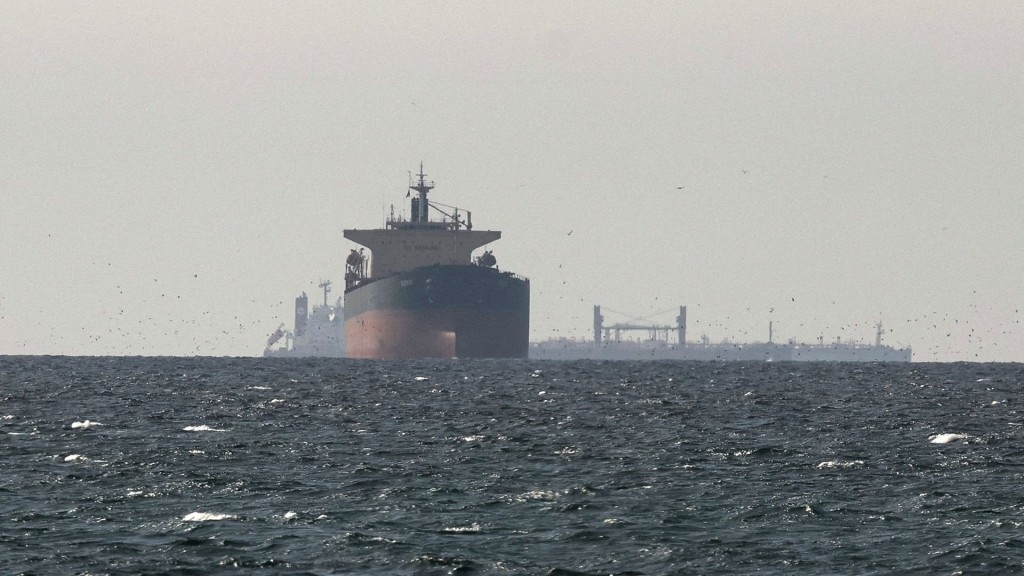
Concerns that China faces an energy crisis from the volatile situation in the Strait of Hormuz are overblown, a Chinese energy scholar argues, citing ample strategic reserves, diversified imports, and limits on how long the United States can sustain the conflict.
In an article published Monday, Yi Yingnan, a researcher at the Chongyang Institute for Financial Studies at Renmin University, pushed back against what he called "Hormuz anxiety" – fears that a blockade of the strategic chokepoint would cripple China's oil supply. He argued that such concerns are an overreaction to short-term emotions and lack factual basis when analyzed against official data and the broader situation.
Yi pointed to China's recently strengthened strategic buffer, noting customs data showing crude import surges in late 2025 and early 2026, with 226 million tons imported over the past four months. He said combined commercial and strategic petroleum reserves can now meet national consumption needs for over 90 days, ensuring domestic supply even with temporary import fluctuations. Recent stability in domestic refined oil prices and adequate supply demonstrate this resilience, he added.
He further highlighted China's decades-long strategy of diversifying oil imports, which has reduced dependence on any single route. According to the National Energy Administration, oil imports via the Strait of Hormuz now account for only about 33 percent of China's total. Russia, China's top supplier at 26 percent, along with sources from the Americas, Africa, Central Asia and elsewhere, could fully compensate for any disruption, he argued.
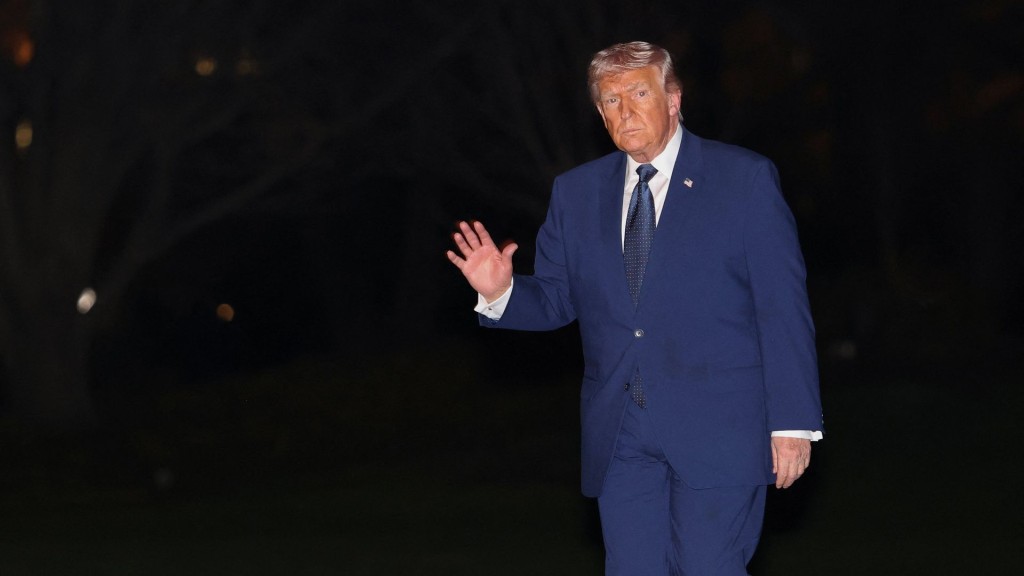
Yi also contended the conflict is unlikely to escalate long-term, as the US economy cannot withstand prolonged high oil prices. With congressional elections this year, he noted, prolonged war would not benefit the Trump administration's electoral strategy. He urged China to maintain strategic focus on energy transition and import diversification rather than being swayed by one-sided arguments.