The Great Wall of China, a 2000-year-old monument stretching across 15 provinces, will gradually open some of its previously uncharted areas for tourists to explore, according to East Week magazine, a sister publication of The Standard.
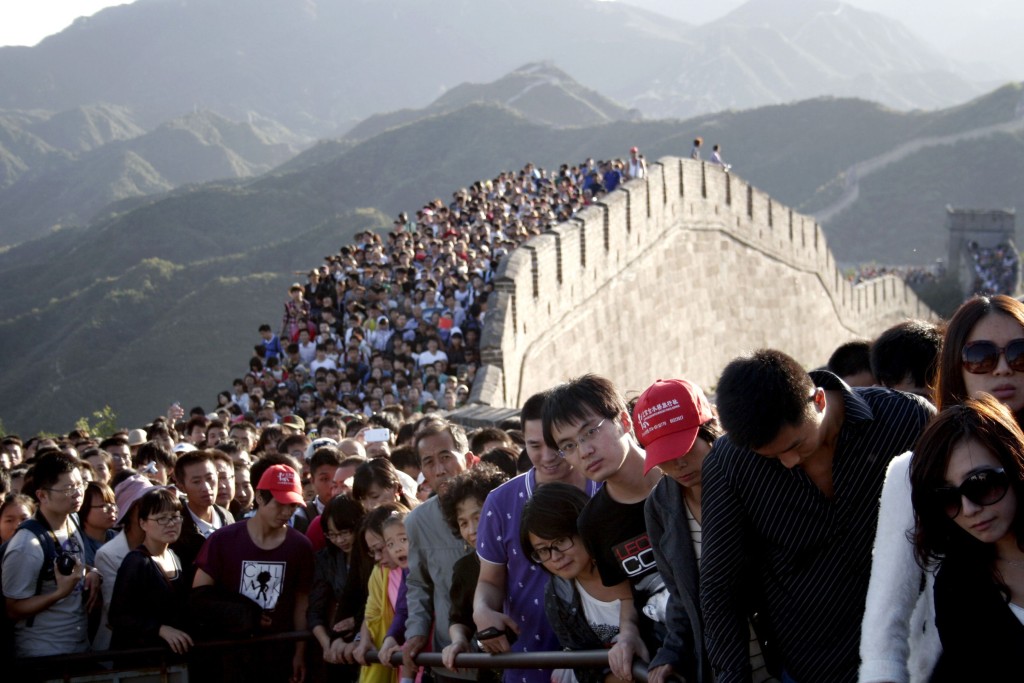
Over 20 million visitors make their way to this ancient attraction every year, but only five percent of the wall – around 20 kilometers – is currently open to tourists. This has led to overcrowding in sections of the wall at Badaling, Mutianyu, Juyongguan, and Jinshanling, and has caused many to venture beyond the accessible bits in order to avoid crowds.
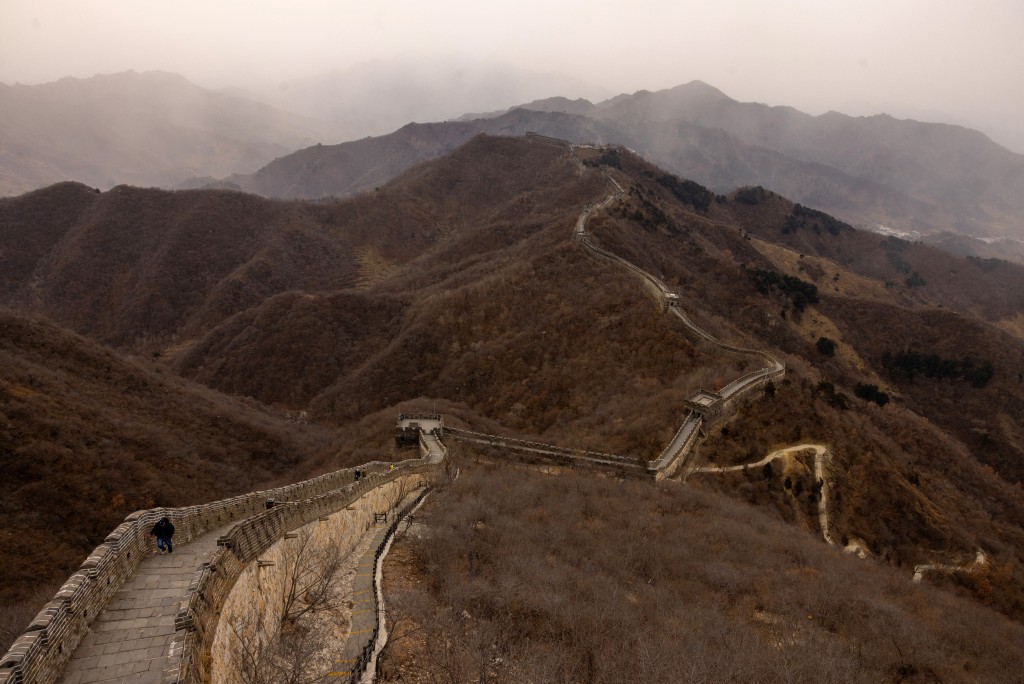
Those visitors believed they had gotten an authentic taste of the Great Wall by wandering into these isolated territories, which are often rugged terrains, untamed and wild.
Yet these adventures may meet fatal ends. In the past decade, six hikers who were at one of the outlying sections, Jiankou, lost their lives. Not only do accidents happen, but visitors may also damage the fragile cultural relic by trampling on the bricks of the wall.
Overcrowding is an issue at the Great Wall. AFP
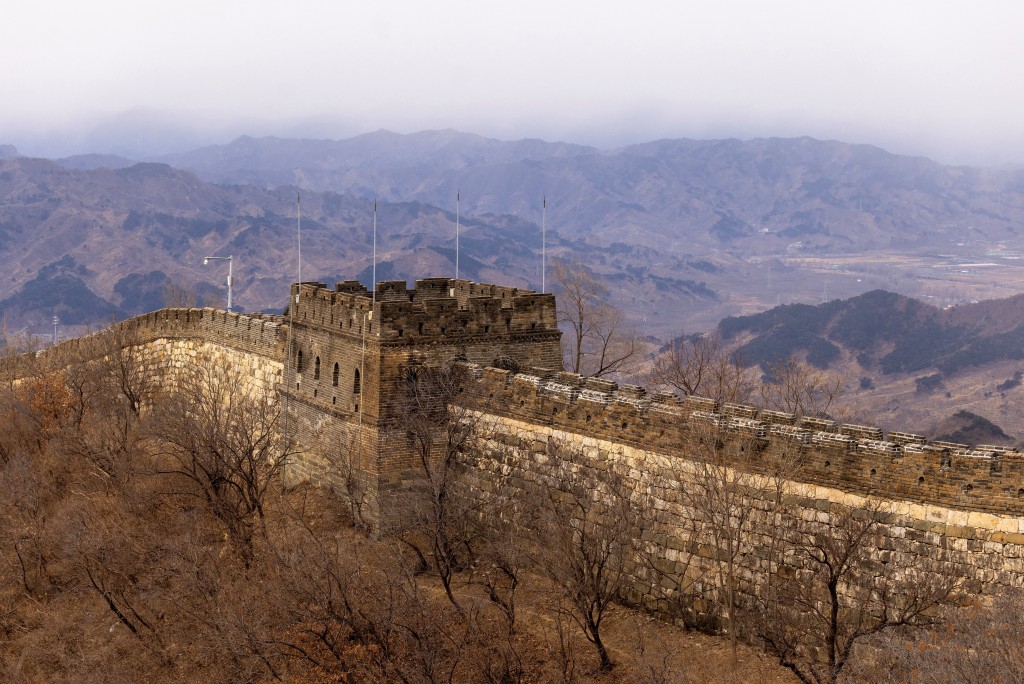
The uncharted areas of the Great Wall remain fascinating to tourists. Reuters
In response, new regulations were introduced this month to prevent trespassers on parts of the wall that are off limits, by deploying drones, smart monitoring systems, and “invisible” electronic fences.
To alleviate jam-packed situations at the historical site, Beijing has also proposed to open more sections of the Great Wall that are currently closed to the public. After assessing the condition of the relics, visitor capacity, transportation, and safety conditions, the government hopes to expand areas open to tourists from five percent to 10 percent by 2035.
Along the Great Wall, villages have sprouted with new cultural development. Some areas leveraged the attraction to develop cultural tourism, building scenic trails, guesthouses, educational tours, and exhibition spaces. Alternative to hiking the wall, visitors can also admire the monument from afar and experience the local culture in its surrounding areas. This has also created economic opportunities for those living in those settlements.
The wall has long been a must-visit attraction for foreign dignitaries visiting China. In 1972, when former US president Richard Nixon visited the country – an ice-breaking moment for US-China relations – then-premier Zhou Enlai mobilized 100,000 people to clear an 80km icy road. As a result, Nixon was able to climb the Badaling section of the wall, after which he said: "This is a great wall, and it had to be built by a great people."