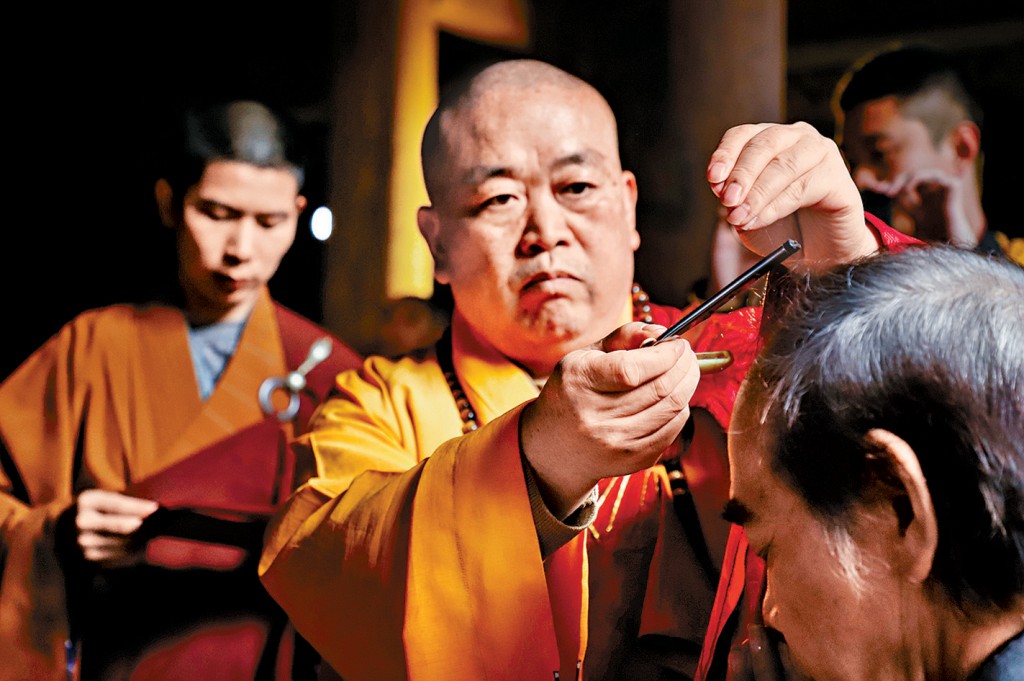
The criminal investigation into Shi Yongxin, the abbot of China's Songshan Shaolin Temple, has drawn international attention to the temple's sprawling overseas assets, including a controversial "Shaolin Village" project in Australia and over 40 international centers.
Questions are mounting about the funding sources and ownership structures of these global ventures.
46m yuan Flowed to Australia—but who owns the oroject?
Investigations by Qingliu Studio reveal that approximately 46 million yuan was transferred from the Chinese temple to fund land purchases and construction for the Shaolin Temple Foundation (Australia) Ltd.
Rather than equity investments, these funds were structured as interest-free loans, leaving ownership of the Australian project legally ambiguous.
The Australian venture, approved in 2014, was meant to include a monastery, a four-star hotel, and a martial arts academy on 18,000 acres of land in New South Wales.
While Abbot Shi Yongxin publicly claimed the project was crowdfunded by "disciples worldwide," financial records show the money came directly from the Shaolin Temple in China. As of June 2024, none of the loans—totaling 9.42 million AUD—have been repaid.
A "husband-and-wife shop" in Australia?
The Australian foundation's board includes Han Mingjun, a Buddhist nun previously accused in a 2015 whistleblower letter of being Shi Yongxin's mistress and co-running a "family business" with him.
Though authorities initially dismissed the allegations, a recent government notice confirmed Shi had "long-term inappropriate relationships with multiple women and fathered children out of wedlock."
Han, who also holds a 35 percent stake in a Shaolin-affiliated company in China, serves alongside Qian Daliang—a senior Shaolin monk who manages at least 14 temple-linked businesses.
Financial filings show one unnamed director lent the Australian foundation 602,200 AUD, which was fully repaid ahead of schedule, while the Shaolin Temple's much larger loans remain outstanding.
A risky business model
The Australian project mirrors past disputes, such as a 2014 case where a billion-RMB martial arts school in China severed ties with Shaolin after repaying loans, despite using the temple's brand. Critics say this lending model—where monks borrow temple funds to establish overseas centers—creates legal gray areas over asset ownership.
With Shi Yongxin now under investigation for alleged embezzlement, the future of Shaolin's global empire hangs in the balance. Key questions remain:
Will the Chinese temple continue funding the Australian project, which reportedly needs another $1.6 billion to complete?
If overseas branches repay their loans, do they owe anything further to Shaolin?
Who ultimately controls these assets—the temple, its monks, or private investors?
As authorities dig deeper, the case has exposed how one of Buddhism's most iconic institutions blurred the lines between spiritual mission and global business ambitions.