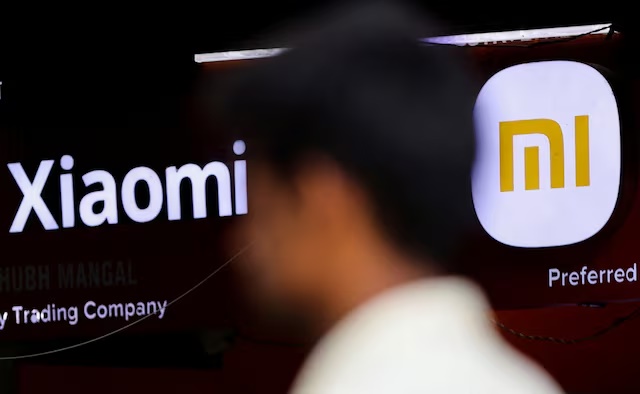
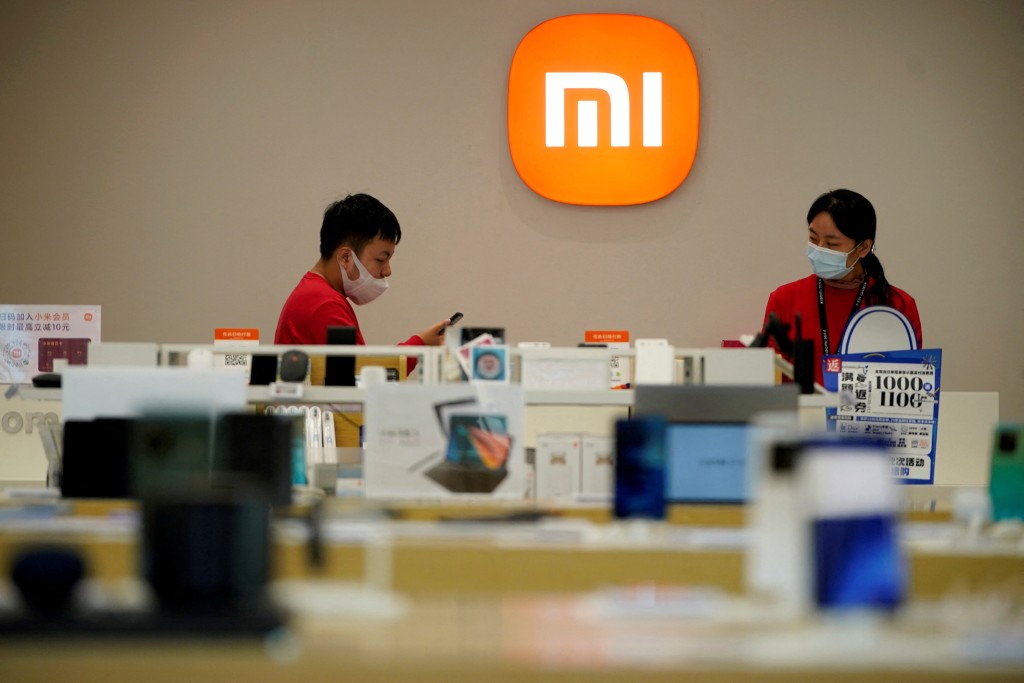
Xiaomi, a leading Chinese smartphone and technology company, recently ventured into the electric vehicle manufacturing sector and opened the doors of its Beijing factory for public tours. The move experienced remarkable success, as evidenced by the overwhelming response it generated.
With three tour sessions in a month, accommodating 20 visitors each, over 7,000 applications flooded in since January. Netizens humorously comment that securing a spot was more challenging than obtaining a coveted car license plate in Shanghai.
Yuan Yuan, a resident of Beijing who successfully secured a tour spot in May, attended the event with her 13-year-old daughter and described the experience as enlightening.
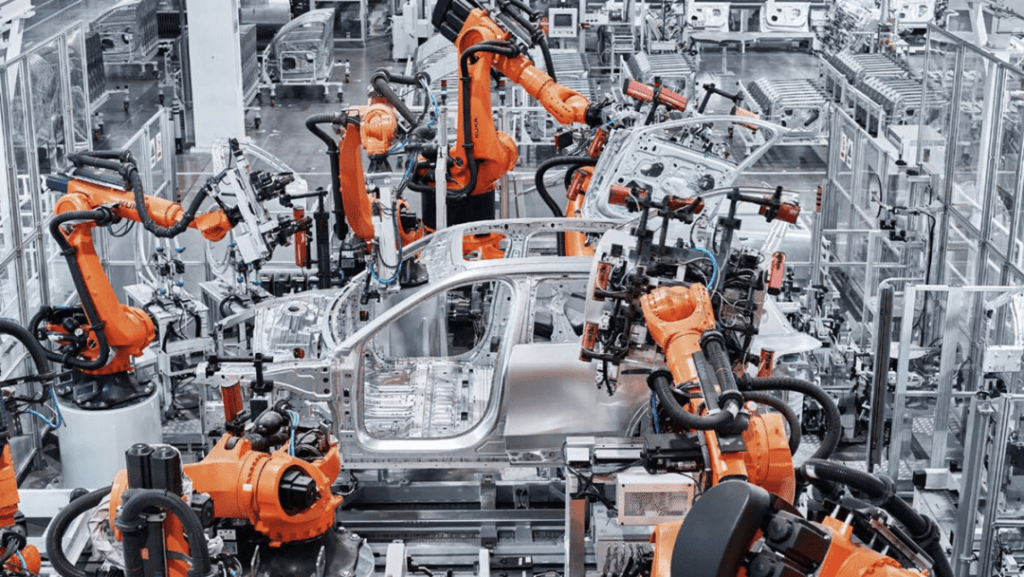
"The factory was vast, with a surprisingly few workers. Robotic arms executed tasks with precision along predetermined programs, creating a captivating display of automation," she remarked.
Factory tours leave citizens awestruck
The significant demand led Xiaomi to enhance its offerings beginning in July, according to East Week, a sister publication of The Standard.
The company has expanded tour availability to include daily sessions on weekdays and up to six additional tours on weekends. Despite these adjustments, approximately 27,000 applications were submitted during the latest registration period.
The trend has spurred at least four other automakers to initiate similar programs, thereby turning factory visits into a popular recreational activity.
Birth of a new coveted sector of tourism
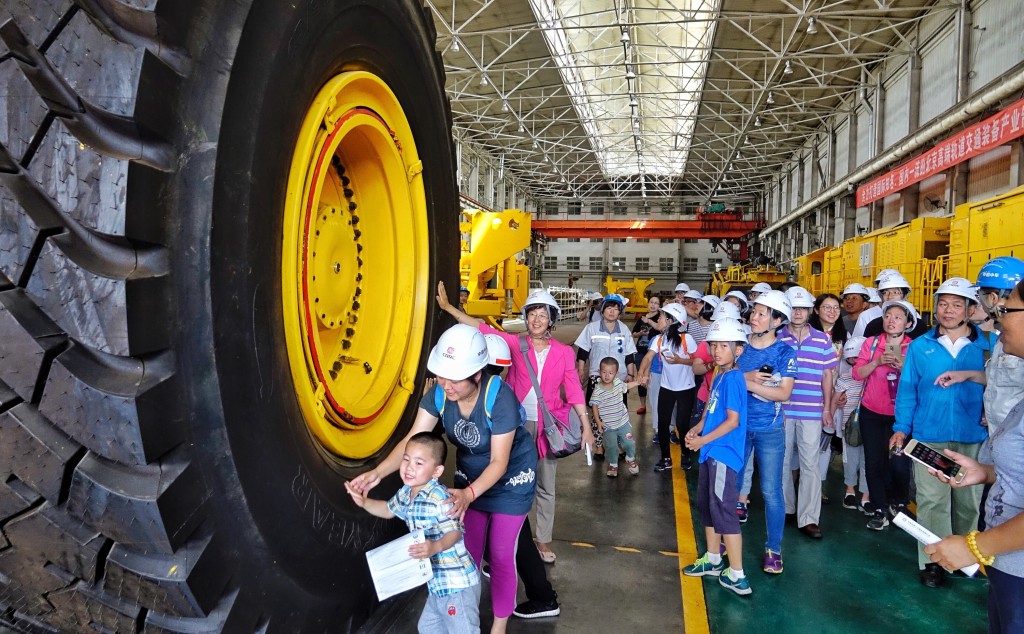
Attending factory tours is not a new phenomenon in the mainland, however, they were traditionally only catered to potential investors, entrepreneurs, and select student groups.
Now, these tours have become a mass tourist attraction, earning its own moniker of "industrial tourism".
The sheer popularity of this type of tourism can also be attributed to social media trends that have amplified widespread interest in it. Xiaohongshu alone hosts over 120,000 related posts featuring visit strategies and reviews.
Young visitors rave about the educational value, with many noting the nominal fees – which can often be cheaper than bubble tea – make it an ideal option for weekend entertainment.
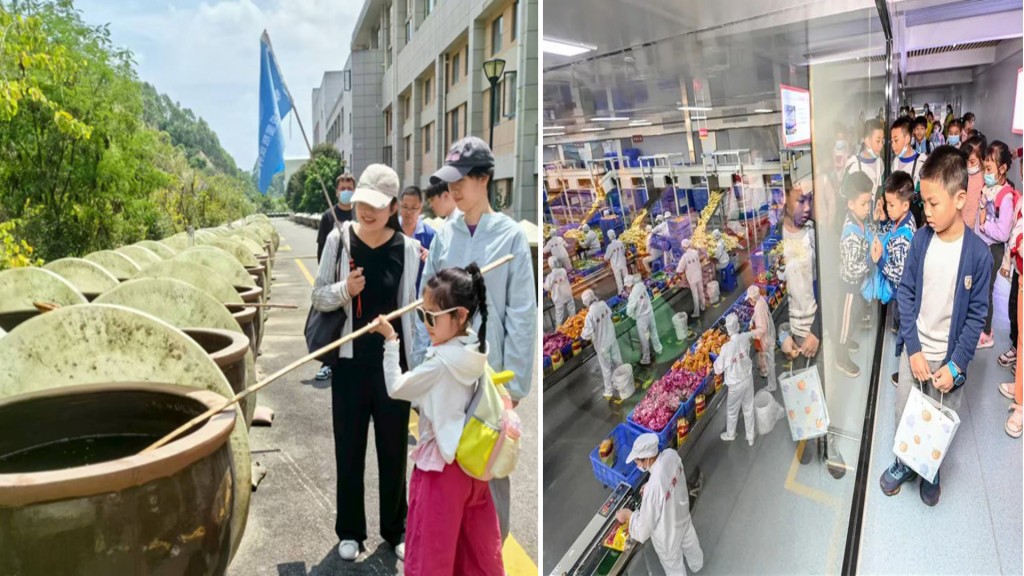
A resident of Anhui, surnamed Yan, abandoned her plans to visit Shanghai Disney with friends after encountering posts on Xiaohongshu regarding the Chi Forest beverage factory tour in Chuzhou.
"While at Disney, you typically spends between 200 to 300 yuan waiting for just three rides. Conversely, here, 25 yuan provides unlimited drinks along with arcade games," she stated.
Observing the factory's rigorous bottling process transformed her perspective on the beverage.
"I seldom consumed sparkling water previously due to my belief that it was unhealthy; however, witnessing their high standards has increased my confidence in the product," Yan remarked.
Educational aspect attracts hoards of families
Zhou Zhou, an experienced visitor to various factories in Guangzhou, applies insights acquired from her tours to her everyday life.
While enjoying Coca-Cola, she reflects on the production process of the beverage's bottle, and she recalls the operations of a bakery when consuming bread.
Her family has visited facilities such as Yakult, Coca-Cola, and Dongfeng Nissan, placing significant value on the educational benefits these experiences provide for their children.
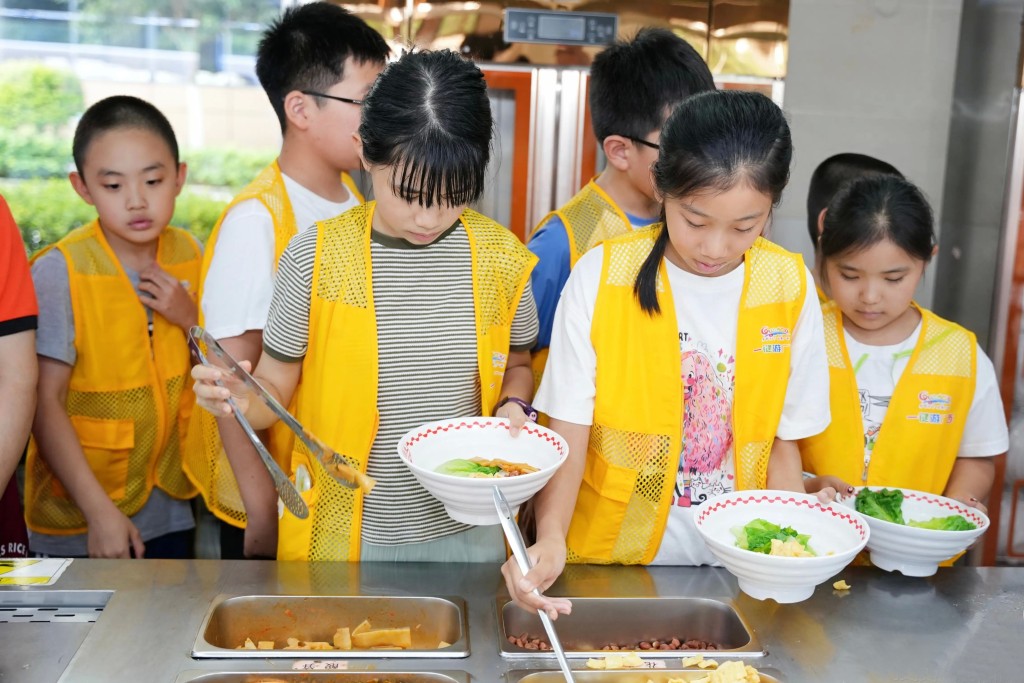
Food factories prove particularly popular with their "eat-and-take" appeal. Guangdong tour agencies offer 198 yuan educational packages at Meiji ice cream plants featuring production demos and tastings.
In Liuzhou, children cook luosifen noodles, while Chongqing hotpot base factories let visitors grind spices and create custom blends.
The best part for visitors is the fact that factory-direct prices are often half of what retail offers.
For businesses, open-door policies double as cost-effective marketing.
A Wenzhou-based eyewear artisan invested millions of yuan to convert his 40-year-old factory into an interactive space where children can assemble custom frames.
Annual visitors now exceed 2,000, with one child's 31 suggestions – including multicolored detachable temple tips – evolving into a bestselling product line.
Recognizing the trend, governments are institutionalizing industrial tourism. Beijing's February draft plan aims to establish five national demonstration sites and 20 municipal benchmarks, while Shanghai integrates it into cultural tourism strategies.
Shandong and Shenzhen have rolled out supportive policies, signaling official endorsement of this innovative crossover between manufacturing and experiential tourism.
(Khan Heeba Lazmi)