Rising tensions in the Middle East have pushed global oil prices higher, yet for Hong Kong motorists, crossing the border to refuel remains far cheaper than filling up at home—even if it means longer queues and higher prices on the mainland.
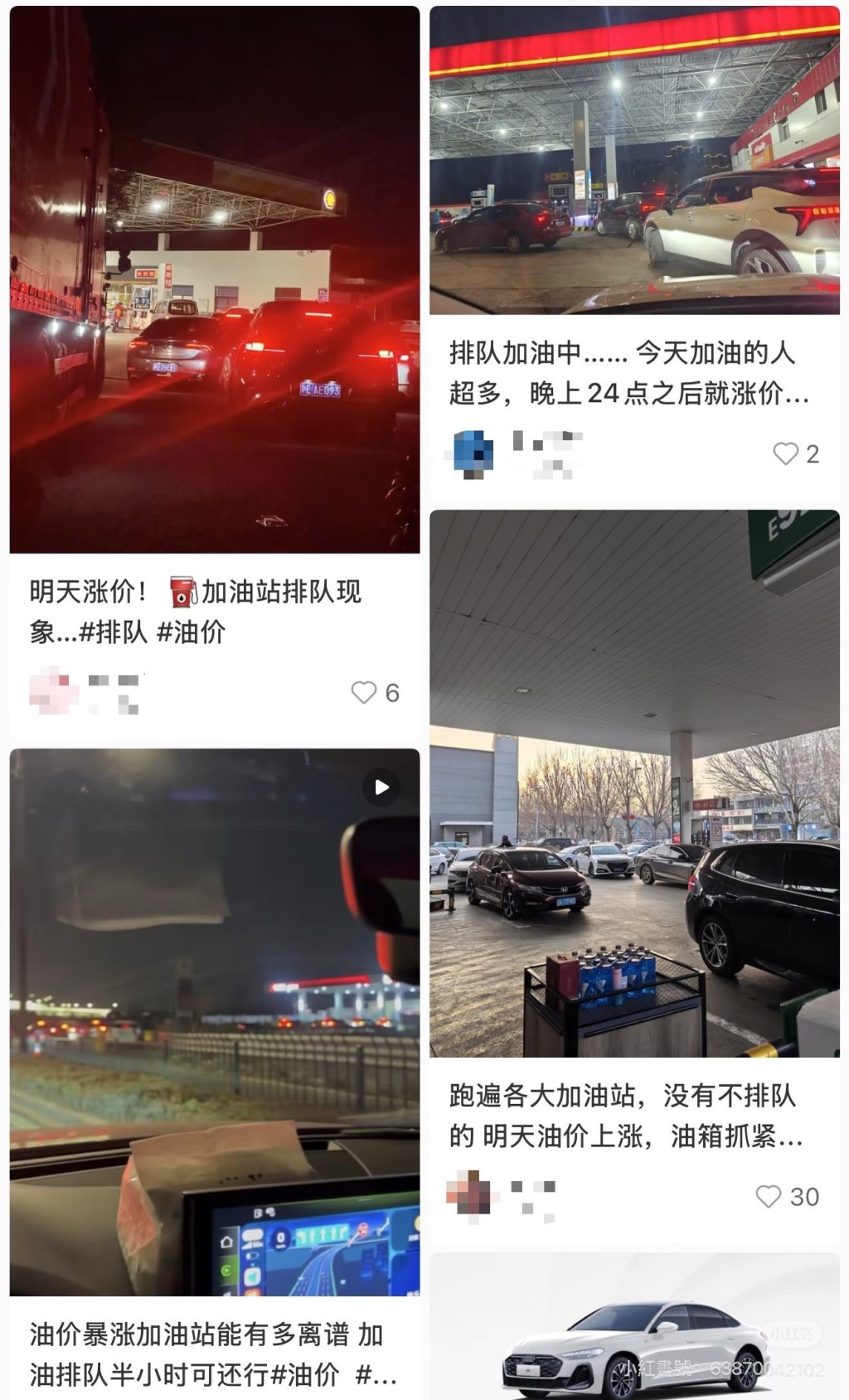
The surge in demand came after mainland authorities announced retail petrol and diesel price increases effective March 9, prompting motorists in several mainland cities to rush to gas stations ahead of further expected price rises.
Under the latest adjustment, the price of 95-octane and 98-octane petrol rose by 0.55 yuan and 0.58 yuan per liter respectively.
‘Couldn't even get into the station’
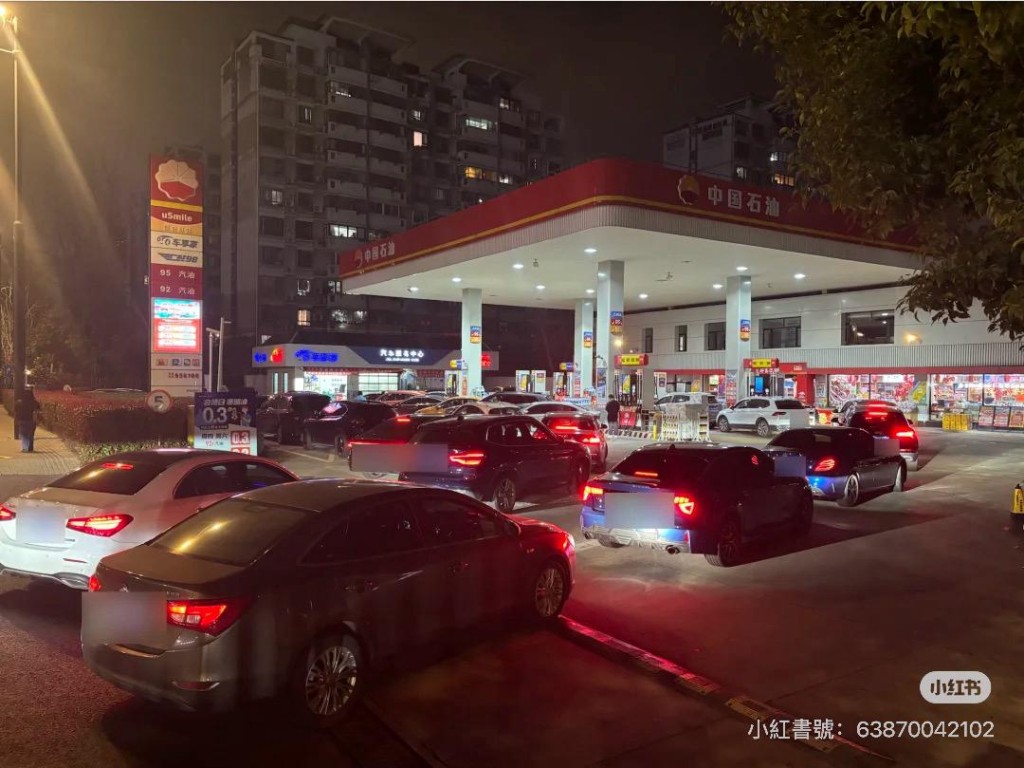
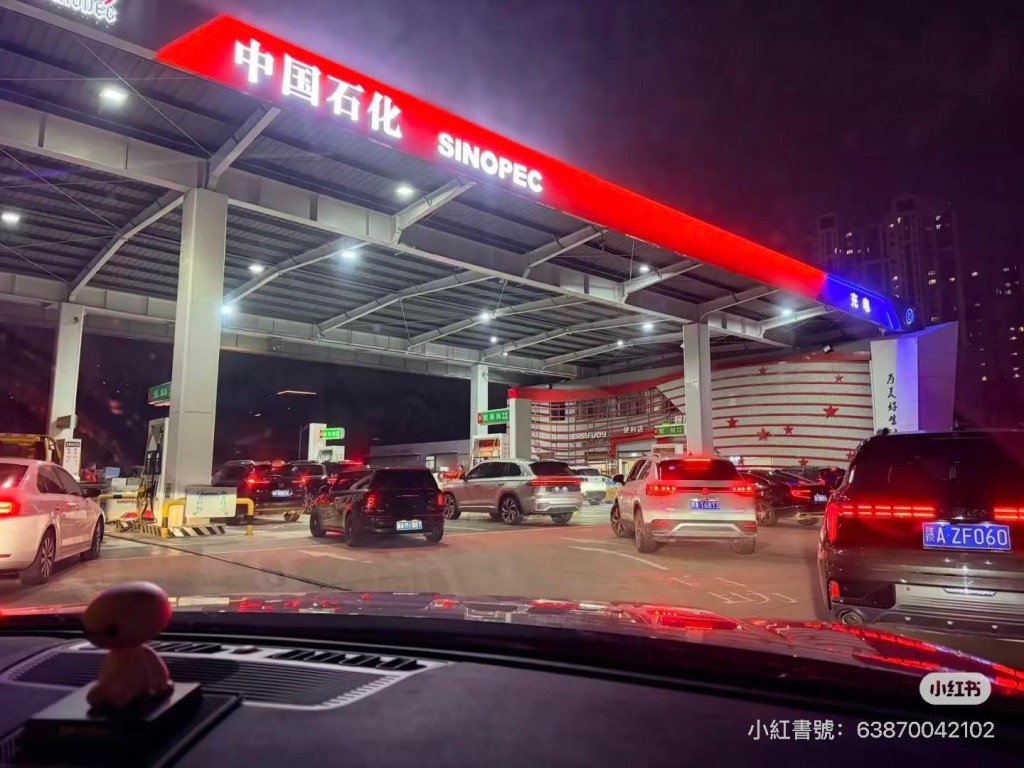
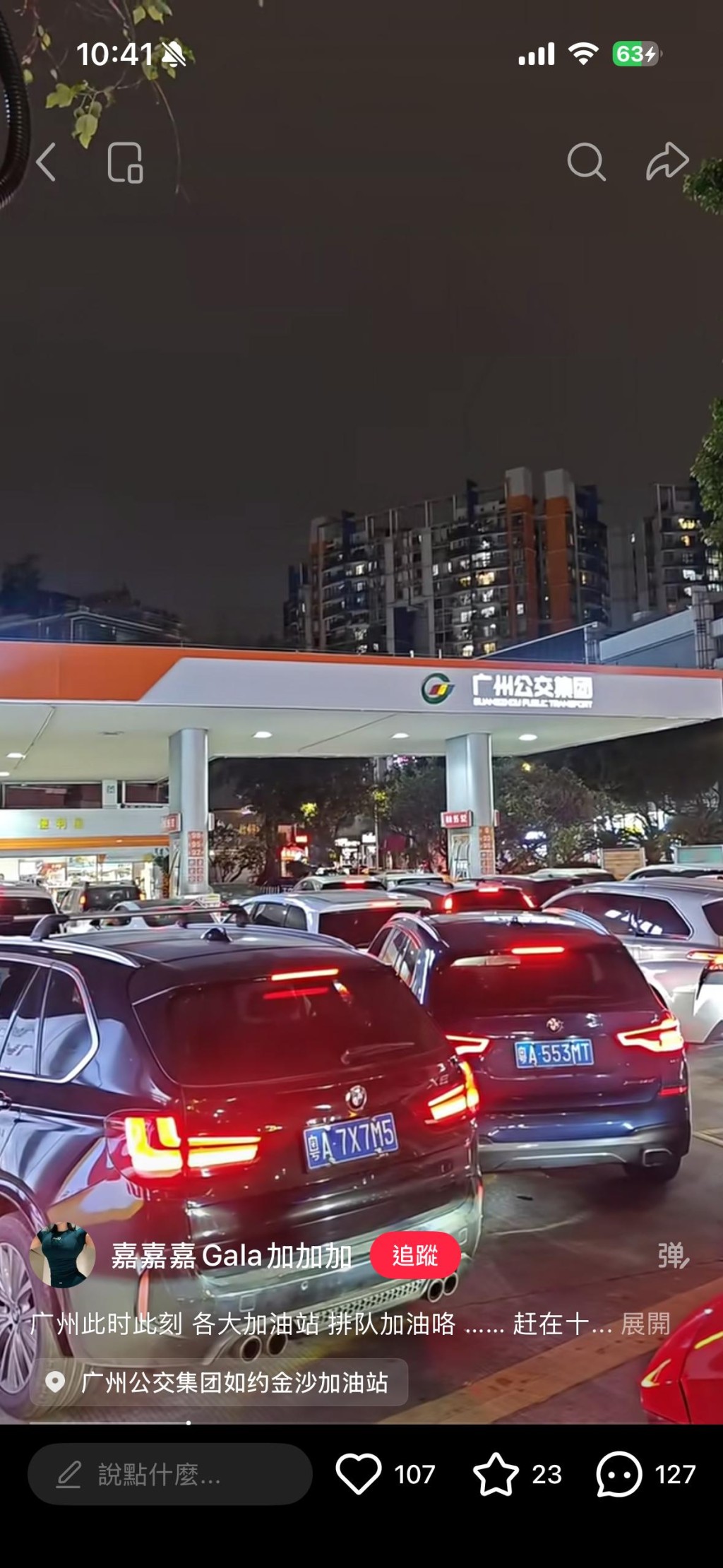
Social media platforms such as Xiaohongshu have been flooded with posts showing long lines of cars at gas stations in Huangpu, Guangzhou, as drivers scrambled to refuel before prices climbed further.
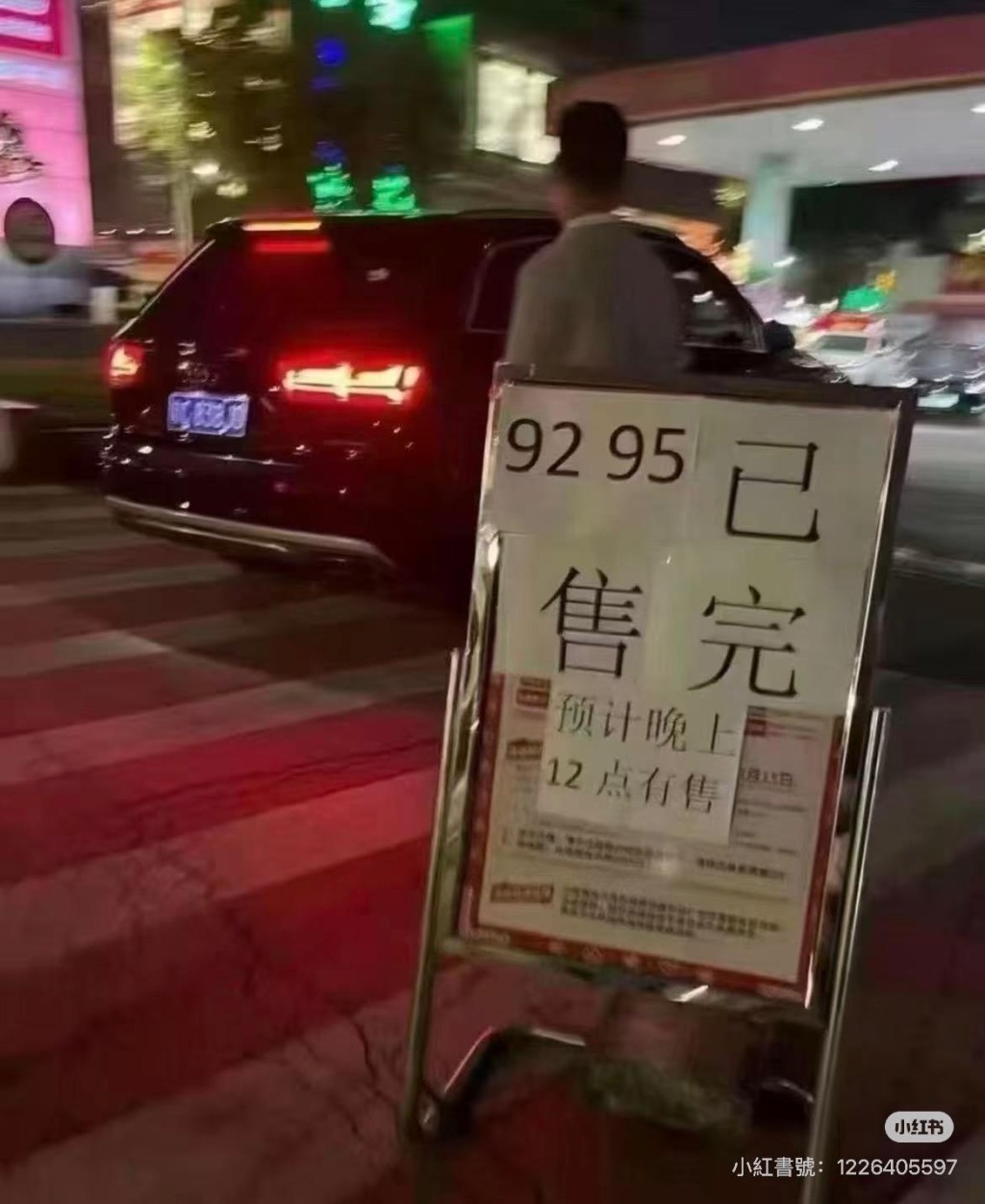
One driver reported that a local station in Huangpu had already run out of 92-octane petrol, forcing motorists to switch to the more expensive 95-octane grade.
Some stations reportedly ran out of fuel entirely, with supplies not expected until the following day.
Describing the adjustment as the largest increase in four years, another driver in Shanghai said it took nearly half an hour just to enter a gas station.
‘Still three times cheaper than Hong Kong’
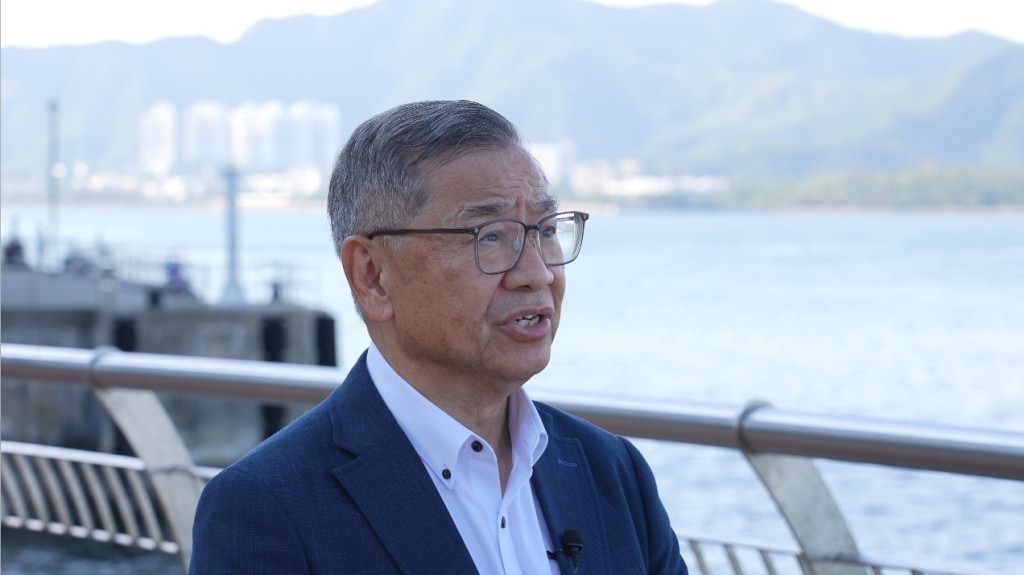
Despite the price hike on the mainland, Ringo Lee Yiu-pui, honorary life president of the Hong Kong, China Automobile Association, believes Hong Kong motorists will not be discouraged from refueling across the border and may even do so more frequently.
“Hong Kong petrol is still far more expensive,” Lee said, noting that fuel across the border remains roughly one-third the price of that in the city, which could encourage drivers to cross the border weekly to refuel.
Unlike private cars, however, commercial vehicles—including trucks and vans—are unable to take advantage of lower mainland fuel prices because they are not permitted to cross the border for refueling, he said.
Most commercial vehicles rely on diesel, which is exempt from fuel duty in Hong Kong. However, Lee criticized the current price of over HK$30 per liter, which is close to petrol prices, calling the situation “unreasonable.”
He warned that rising diesel and liquefied petroleum gas (LPG) prices could eventually be passed on to consumers, as public transport and logistics sectors—including buses, minibuses, taxis, ferries and delivery operators—face higher operating costs.
To help stabilize fuel prices and maintain affordable transport costs, Lee urged the government to intervene by reducing fuel duty by HK$2 to HK$3 per liter.
Looking ahead, he also called for greater transparency and oversight of petrol station profit margins, emphasizing that the goal is not to force companies to operate at a loss but to ensure fair pricing.
According to reports, the Hong Kong government has maintained a petrol duty of HK$6.06 per liter since 1998, while Euro V diesel remains duty-free.
Data from the Consumer Council’s Oil Price Watch showed that the listed price for premium unleaded petrol stood at HK$32.89 per liter, while diesel was HK$30.87 per liter as of Wednesday (March 11).
For premium unleaded petrol, the pre-discount retail price—excluding fuel duty—has increased by 30 to 50 percent since late February, with Caltex and Esso charging HK$25.43 and HK$24.73 per liter respectively before discounts.