China will not only commemorate the 80th anniversary of its victory in the Chinese People's War of Resistance Against Japanese Aggression and the World Anti-Fascist War, but will also strategically display its burgeoning global influence and capabilities through a grand military parade, according to international affairs experts.
Beijing is set to host a significant military event tomorrow morning (Sep 3) to mark the 80th anniversary of the victory in the Chinese People's War of Resistance Against Japanese Aggression and the World Anti-Fascist War.
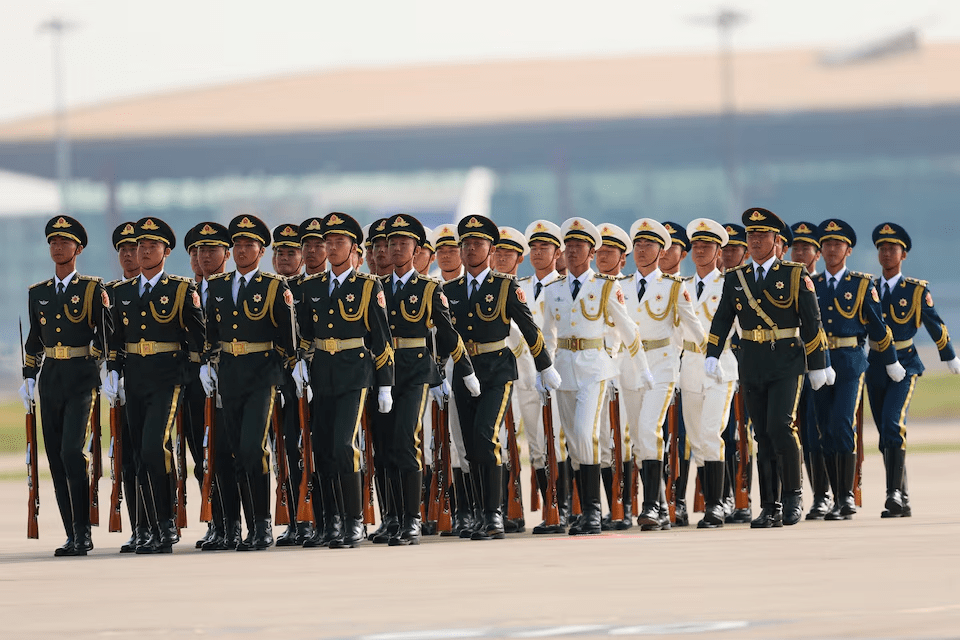
The parade will feature 45 squads and echelons, including air flag guards, infantry, battle flags, equipment formations, and aerial echelons, which will march through Tiananmen Square.
President Xi Jinping, who also serves as the General Secretary of the Communist Party and the Chairman of the Central Military Commission, will deliver a key speech and review the troops.
The parade will showcase predominantly domestically produced main battle equipment, highlighting the latest fourth-generation military technologies such as new tanks, naval aircraft, and fighter jets.
A significant portion of the equipment, including advanced unmanned drones and electronic warfare systems, will make their debut at this event.
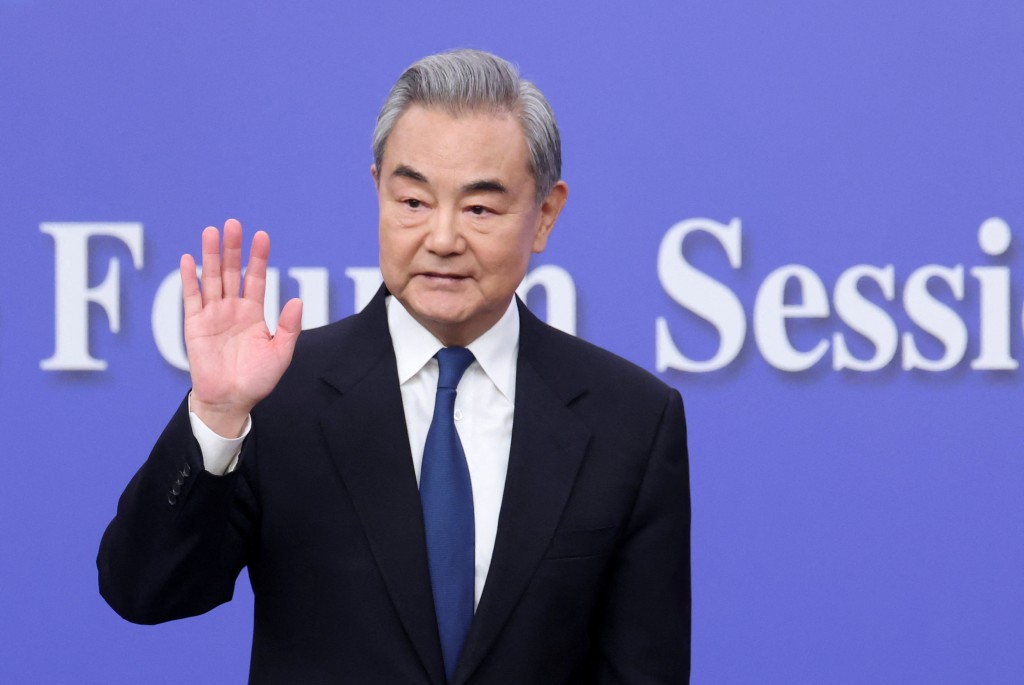
Military expert Song Zhongping noted that the parade is a demonstration of the significant strides China has made in military reforms over the past decade.
The focus on unmanned drones is expected to draw considerable attention from the United States, which is keenly observing the advancements in Chinese military technologies.
Song also mentioned that the parade serves a dual purpose: domestically, it boosts national cohesion; internationally, it projects China’s strength, adhering to the ancient military strategy of winning without conflict.
This show of force is crucial for enhancing China's role in global peacekeeping and safeguarding its developmental interests.
The event will be attended by 26 heads of state and government leaders, including Russian President Vladimir Putin and North Korean leader Kim Jong-un, along with leaders from ASEAN, Central Asia, and Eastern Europe.
Wang Yiwei, a professor of international relations at Renmin University, emphasized that these nations are China's neighbors and have maintained friendly relations with China.
He highlighted that since the establishment of the People's Republic, China has not initiated any wars.
The parade, according to Wang, is a peaceful demonstration of China's advanced weaponry, which has not been used for lethal purposes on battlefields.
Wang also pointed out the shifting global dynamics, with the East rising and the West declining.
This parade is an opportunity for China to showcase its transformed national strength, prompting a reassessment of China’s power by Western nations and deterring any potential adversaries.