Read More






HK braces for natural gas shortage
02-04-2026 08:00 HKT


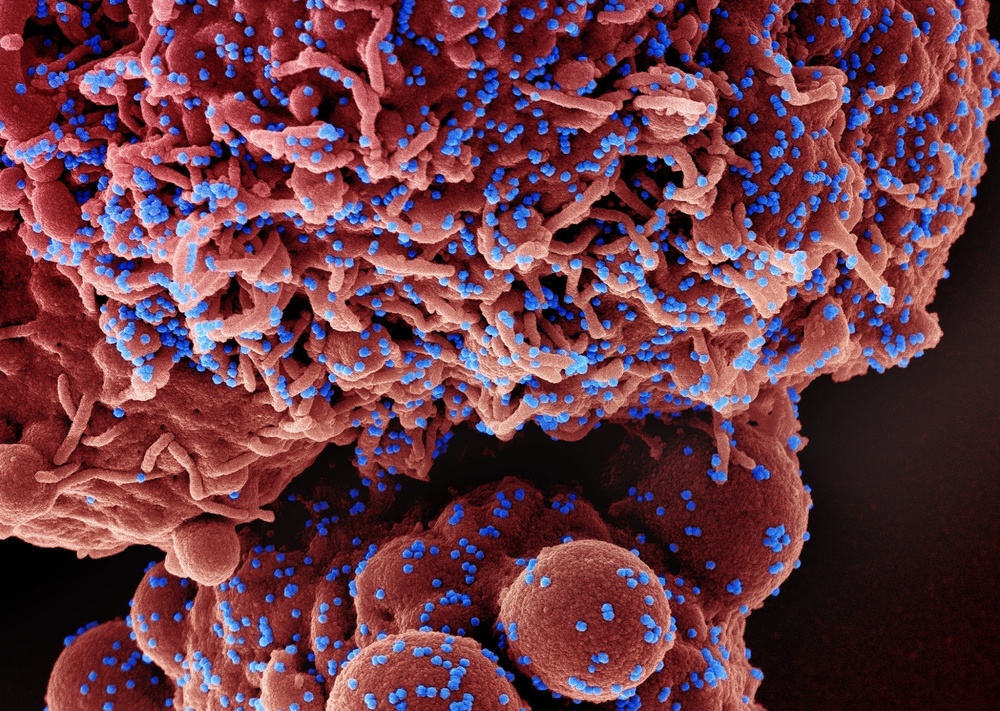
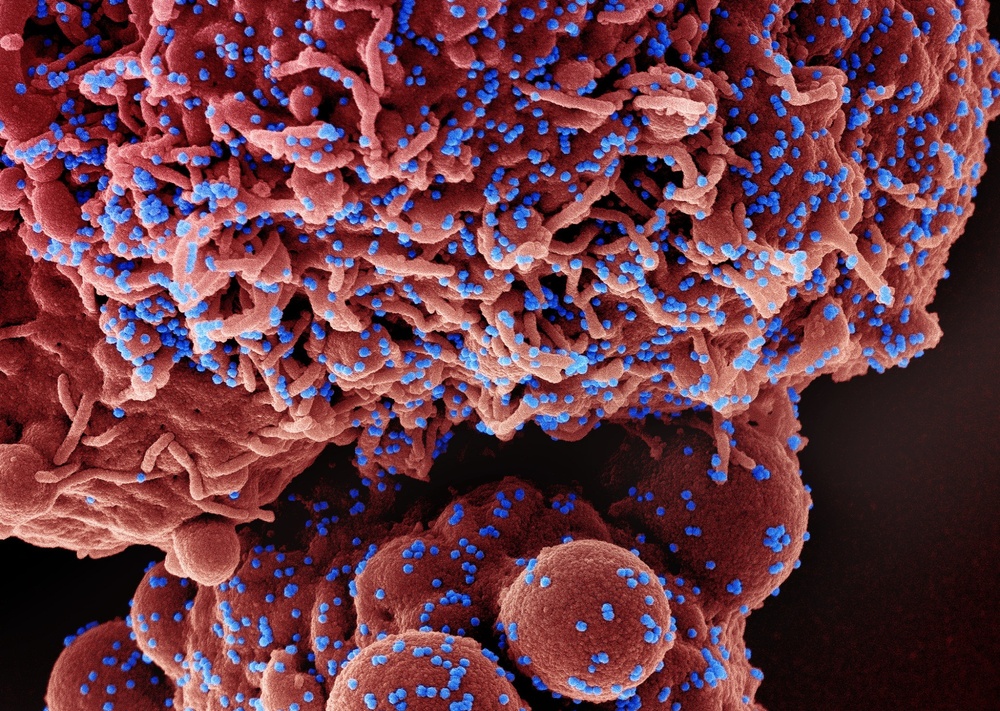
Scientists have yet to determine the origins of Covid-19, years after it touched off the worst pandemic in more than a century.
Some of the closest related viruses to the one that causes it, SARS-CoV-2, were found in bats roughly 1,000 miles (1,600 kilometers) from the central Chinese city of Wuhan, where the disease erupted in late 2019.
Initially, cases were tied to a fresh food market and possibly the wildlife sold there. An investigation in early 2021 highlighted the possibility that certain mammals acted as a vector, transferring the virus from bats to humans. More politically charged theories allege the virus accidentally escaped from a nearby research laboratory, or entered China from another country via imported frozen food. Amid all the posturing, governments and scientists agree that deciphering the creation story is key to reducing the risk of future pandemics.
Where, when and how a pathogen begins spreading in humans can be difficult, if not impossible, to pinpoint. Although SARS-CoV-2 is genetically similar to coronaviruses collected from bats, it may have followed a convoluted path to Wuhan, a city of 11 million people. Scientists are tracing the earliest known cases but the trail largely goes cold in early December 2019. Where a new disease starts spreading isn’t necessarily where it spilled over from the animal kingdom or first infected a human. HIV, for instance, is thought to have originated in chimpanzees in southeastern Cameroon. It didn’t begin spreading readily in people until the 1920s, when it reached the city of Kinshasa hundreds of miles away. Scientists reported that finding in 2014, some three decades after the AIDS pandemic was recognized.
The World Health Organization was asked in May 2020 to help identify the animal source of the virus and how it spread to humans. It convened a team of 17 international scientists, including one based in the US, and they conducted a four-week joint mission with 17 researchers from China. Their findings were released in a joint report in March 2021. Seven months later, WHO formed a more permanent scientific advisory group to handle the Covid origins work and future investigations. The panel released a preliminary report in June 2022 outlining work that was ongoing, and noted that key pieces of data weren’t available for a complete understanding of how the pandemic began. WHO Director-General Tedros Adhanom Ghebreyesus has called on China repeatedly to cooperate more fully in the origins search, writing letters to leaders including Premier Li Keqiang and Health Minister Ma Xiaowei to request more information. Chinese officials say they participate in work that is based on science and have shared information with the WHO. Numerous US intelligence agencies are also investigating. They have offered differing analysis on whether the virus emerged naturally or spread due to a mishap at a Chinese laboratory.
Debate about Covid’s emergence has coalesced around two competing ideas: an accidental laboratory escape or a spillover from animals. There is global agreement that the virus wasn’t part of a biological weapons program and intentionally released. Scientists involved in the 2021 WHO-led mission ranked four scenarios in order of likelihood:
LIKELY-TO-VERY LIKELY: the virus spilled over via an “intermediary” host species;
POSSIBLE-TO-LIKELY: the virus spilled over to humans directly from an animal reservoir;
POSSIBLE: the virus was introduced via the food chain by contaminated food or packaging;
EXTREMELY UNLIKELY: the virus emerged as a result of a laboratory-related accident.
Since no such intermediary host animal has so far been found, they said more research is required, including into the potential role that the trade in animals, animal products and frozen or refrigerated foods might have played. The chance that it escaped from a Chinese laboratory has gotten more attention since 2021, with a classified intelligence report from the US Energy Department concluding that was the most likely origin, according to a Feb. 2023 Wall Street Journal story.
Bats were the source of two coronaviruses that caused lethal outbreaks in people during the past two decades — severe acute respiratory syndrome (SARS) and Middle Eastern respiratory syndrome (MERS). Many scientists consider the flying mammals the probable reservoir host for SARS-CoV-2 as well. (A reservoir host is an animal that permanently maintains a pathogen from which infection is transmitted to a defined target population.) After SARS-CoV-2 emerged, Shi Zhengli, who studies bat-borne coronaviruses at the Wuhan Institute of Virology, identified three closely related viruses that had been collected during the previous 15 years. The closest, about 96 percent identical, was isolated from a species of horseshoe bat, Rhinolophus affinis, in the southern Chinese province of Yunnan in 2013. Some researchers have linked that particular virus, known as RaTG13, to a mineshaft in Mojiang county there, where six men contracted a pneumonia-like disease in 2012 that killed three of them. Although RaTG13 and SARS-CoV-2 may share a common ancestor, they aren’t similar enough to indicate the pandemic virus was derived from the one in Yunnan. The sampling of bats in Hubei province, which includes Wuhan, hasn’t found any carrying SARS-CoV-2.
Farmed palm civets in Hubei were found in 2007 to be naturally infected with SARS-like coronaviruses, as were horseshoe bats in 2005. Related coronaviruses have been found in other bat species and pangolins, a scaly, ant-eating mammal, elsewhere in Asia, highlighting the broad distribution that may have contributed to its evolution. Spillovers of such viruses from bats to humans may cause an average of 400,000 infections a year in southern China and Southeast Asia, researchers said in a 2021 study released ahead of peer-review and publication.
Symptoms in the earliest-known patient began on Dec. 11, 2019, according to a study published Nov. 18, 2021, in the journal Science. That suggests infections probably began a couple weeks earlier. (Another Wuhan resident thought to have been the first case actually didn’t develop Covid symptoms until Dec. 16, eight days later than initially thought, the study found.) The WHO mission found no evidence of widespread circulation of the virus in Wuhan before December, but it’s possible the pathogen was transmitted multiple times and went extinct when infected individuals didn’t pass it on, according to researchers at the University of California, San Diego. A group of scientists including the UCSD researchers, proposed that the virus spilled over from animals on two separate occasions, spawning distinct SARS-CoV-2 lineages that spread in late November 2019 initially from a Wuhan market where live animals were traded.
A few scenarios have been proposed for the sprawling Huanan market in central Wuhan: It could have acted as a contamination source, an amplifier for human-to-human transmission, or both. The first-known Covid-19 case was a female seafood vendor there and it spread quickly: A third of the 168 retrospectively identified cases in December 2019 were directly linked to the market. Spatial analyses released ahead of publication in February are supportive of the market being the epicenter of the virus’s emergence. Dozens of environmental samples collected from the market in early 2020 tested positive for SARS-CoV-2, and three live viruses were isolated and found to be almost identical to specimens swabbed from infected people, according to unpublished findings by Chinese government researchers in February. The authors failed to find SARS-CoV-2 in animal samples from the market, but said their data provide “convincing evidence” of the prevalence of the virus in the market during the early stage of the Covid-19 outbreak.
The Huanan market had 678 stalls and more than 1,180 employees supplying seafood products, as well as fresh fruit and vegetables, meat, live animals and grocery items. Testing after the market was closed (it was shut down at 1 a.m. on Jan. 1, 2020) found widespread contamination of the floor, walls, chopping boards and cleaning tools compatible with the virus being transmitted from infected people to surfaces.
Supply chains to the market were extensive, with goods arriving from other countries and around China. Ten stall operators were selling meat from wild animals raised in captivity.
The people running the market told the WHO-led team in early 2021 that all live and frozen animals that vendors had reported selling in the Huanan market were from licensed farms, and that no illegal trade in wildlife had been found. The researchers also said they weren’t able to verify reports that live mammals were sold in the market in 2019.
Of 336 samples collected, none were positive for the virus. It’s possible that not enough samples were taken.
A study published in June indicated that the information about what animals were being sold was false. Mammals susceptible to the coronavirus were being traded at the Huanan market and others around Wuhan from May 2017 to November 2019, according to the paper in Scientific Reports. The 38 species included mink, masked palm civets, raccoon dogs, weasels, badgers and bamboo rats. Both wild-caught and farmed species were sold — alive, caged, stacked and in poor condition — by 17 vendors, said Xiao Xiao, from the Lab Animal Research Center at Hubei University of Chinese Medicine in Wuhan, and colleagues in China, the UK and Canada. None of the vendors posted an origin certificate or quarantine certificate, “so all wildlife trade was fundamentally illegal,” they said. In addition, while animal carcasses retrospectively tested negative for the virus, these were unrepresentative of the live animal species sold, and specifically did not include raccoon dogs and other animals known to be susceptible, according to a review of the scientific evidence pertaining to the pandemic’s origins published last year. In 2020 China denied the existence of wildlife wet markets in the country. But research released two years later by Chinese government researchers identified 10 Huanan market stalls that had been selling a menagerie of live, “domesticated wildlife,” including deer, badgers, rabbits, bamboo rats, porcupines, hedgehogs, salamanders and crocodiles.
Researchers in China have found that the virus can persist in conditions found in frozen food and packaging as well as cold-chain products, which are kept refrigerated. They also have linked some infections in people to imported goods, although the degree of surface contact or amount of virus required is unknown. China’s government embraced this theory; some supermarkets even had separate coolers for imported goods. The US Food and Drug Administration and the US Centers for Disease Control and Prevention said in 2021 that there is no credible evidence of food or food packaging associated with, or as a likely source, of transmission. Covid outbreaks occurred in 2020 in meat-processing plants and some preparing ready-made meals, making it plausible that infected workers could contaminate items they’re in contact with. The WHO mission chief called the theory “worth exploring,” but pointed out that in 2019, “there were no widespread outbreaks of Covid-19 in food factories around the world.”
After meetings with scientists in Wuhan, including discussions about their bio-containment and safety practices, the WHO-arranged mission found it “extremely unlikely” that SARS-CoV-2 originated in one of several labs in the city conducting research on coronaviruses, a large family that includes those that cause the common cold. Although accidents have been known to occur, sparking rare outbreaks, the scientists said there had been no reports of the virus existing before it was detected in Wuhan. Researchers who have analyzed its viral sequence have concluded that it doesn’t have the genetic signatures of a lab-engineered virus. Also labs in Wuhan tested their staff and students for evidence of infection and found no cases. Danielle Anderson, an Australian virologist who was working as recently as November 2019 in the Wuhan Institute of Virology’s BSL-4 lab — the first in mainland China equipped to handle the planet’s deadliest pathogens — said she saw nothing to suspect the virus spread from there.
The WHO chief said in 2021 he didn’t think the assessment by the WHO-led team was extensive enough and that further data and studies were needed to reach stronger conclusions. Several countries, including the US, issued a joint statement the same day calling on China to be more transparent and allow greater access. President Joe Biden has accused China of stonewalling a US investigation into the origins of the virus, an accusation rejected by China. A group of eminent scientists and physicians repeated calls for greater clarity about the origins. The WHO-convened scientific advisory group noted that there’s not been any new data made available to evaluate the lab as a pathway of SARS-CoV-2 into the human population, and recommended further investigations into this and all other possible pathways. Work by US intelligence agencies has yielded conflicting results, with the Energy Department joining the Federal Bureau of Investigation in concluding that a lab leak is the most likely explanation for the emergence of Covid-19, the Wall Street Journal reported. A handful of other agencies concluded that natural transmission was most likely, while the Central Intelligence Agency remains undecided.
It’s highly sensitive. Stung by criticism that it initially covered up the extent of the crisis, China only agreed to cooperate with the WHO investigation after months of negotiation. The international team did visit the lab, although its official mandate had no mention of research specifically on Wuhan labs or any role they may have played. It was noted in the June 2022 report of the WHO-convened scientific advisory group that Yungui Yang, deputy director of the Beijing Institute of Genomics at the Chinese Academy of Sciences, and two other panel members disagreed with the recommendation to conduct further studies into a possible lab incident. If a lab accident were the source, it would have huge ramifications globally, including for the regulation and practice of virology, according to Raina MacIntyre, professor of global biosecurity at the University of New South Wales in Sydney.
The strongest evidence is still around “zoonotic transmission,” Marietjie Venter, chair of the WHO-led scientific advisory group and a virologist at the University of Pretoria in South Africa, told reporters in 2022. That’s consistent with the views of two dozen eminent scientists, including Wellcome Trust Director Jeremy Farrar and Juan Lubroth, the former chief veterinarian at the Food and Agriculture Organization of the United Nations, expressed in a 2021 letter to The Lancet. SARS-CoV-2 is the ninth documented coronavirus to infects humans and the seventh identified in the last 20 years. All previous human coronaviruses have zoonotic origins. A group of scientists who study the evolution of viruses said the emergence of SARS-CoV-2 bears several signatures of these prior zoonotic events, in particular the SARS virus, that spilled over into humans in two areas of China’s Guangdong province in 2002 and 2003. On both occasions, markets selling live animals were involved. The Guangdong markets sold infected civets and raccoon dogs — mammalian species known to be susceptible to SARS-CoV-2 that were also sold live in Wuhan markets in 2019. There was a large network of farms supplying wildlife to Wuhan markets, including from suppliers located in areas where bats are known to harbor coronaviruses. Potentially, some animals were infected before being brought to market. The WHO mission said further research should involve tracing these products to their source and testing other animals there, as well as their surroundings and people living nearby.
Numerous studies have shown biological and environmental samples collected in 2019 from Italy, France, the US and other parts of the world contained traces of SARS-CoV-2 or antibodies to the virus. The WHO’s scientific advisory group noted that the methods of each of those study requires further validation and verification, and thus the significance of these findings remains unclear. Chinese officials have also suggested the virus may have emerged from Fort Detrick, the US Army’s research lab in Maryland, calling for an investigation there.
While the WHO’s scientific advisory group was slated to meet in June 2022, the second phase of its investigation has been shelved, the scientific journal Nature reported in February 2023. WHO officials said they are still pursuing information on the origins of Covid-19, though it’s becoming more difficult as time passes.
(Bloomberg)