Read More
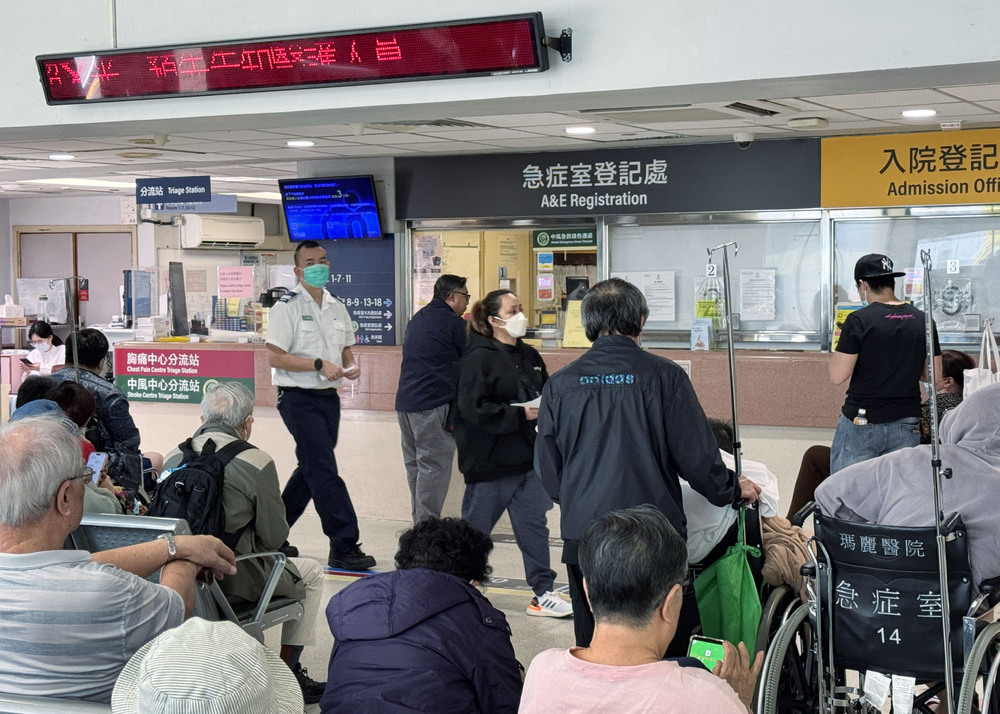
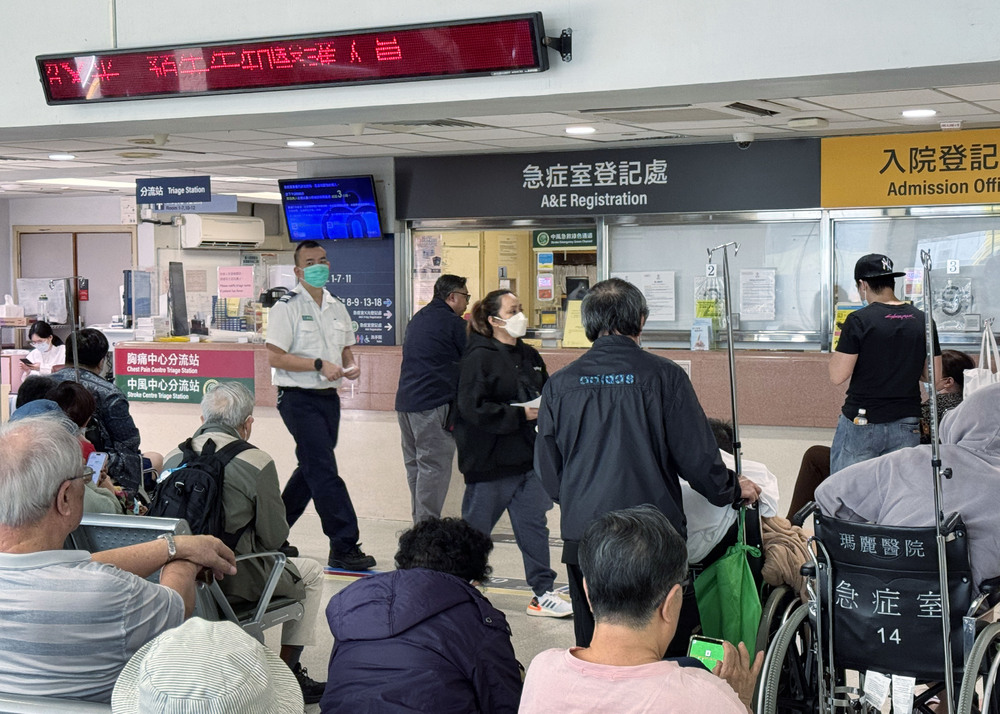
Staffing of accident and emergency departments is typically limited at night, Queen Mary Hospital's A&E Consultant Tsui Sik-hon said as he hopes a fee reform at public hospitals could alter patients’ usage patterns and allow better resource allocation to those in greatest need.
ADVERTISEMENT
SCROLL TO CONTINUE WITH CONTENT
His call came as the public hospital fee reform will be unveiled soon, with sources indicating authorities are considering a two-tier system for A&E services.
Under the rumored charge system, critical and emergency patients would receive free treatment, while urgent, semi-urgent, and non-urgent patients would be charged at rates comparable to private clinics.
Tsui stated that A&E doctors are better equipped to handle emergency symptoms.
“For example, if someone suddenly has severe chest pain, sweating profusely and nearly fainting, we encourage them to call an ambulance immediately,” he said.
He also named some cases that might opt for private hospitals or evening clinics instead of A&E departments.
“Some patients might feel unwell and rest at home for most of the day, and when they wake up at night without a sick leave certificate, they go to A&E just to get one.”
Tsui agreed that the term “abuse” should not be used to describe the situation in A&E departments but hopes that the fee reform will guide patients to use the services appropriately.
“If we can reduce the number of patients at night, A&E staff will have more time and space to handle more urgent cases,” he noted.
Secretary for Health Lo Chung-mau has stated that proposed itemized charges for imaging scans such as CT and MRI would not include A&E and hospitalized patients, but concerns have been raised that this might lead patients to visit A&E solely for free services.
Tsui responded that A&E staff will arrange tests based on medical needs, noting not all requests will be granted.
He also stated that any increase in A&E fees requires thorough discussion among the government, the HA, patient organizations, and the public, and he does not have a “specific number” in mind for what constitutes a reasonable increase.
Meanwhile, it is known that HA senior management has met with at least three patient organizations in the past week to discuss the factors behind the fee reform and gather feedback.
However, Chairman of Hong Kong Patients’ Voices Alex Lam Chi-yau stated that genuine consultation should come from the Health Bureau, not the HA, which only functions as an executive body and merely fulfills its responsibility by providing one-way explanations.
He noted: “What [they] have said is basically what we’ve heard outside; it’s just a framework.”
Lam believes that the authorities should give citizens more time to prepare for or adapt to any significant fee adjustments.
(Cheng Wong)
SINGTAO