Read More


Night Recap - September 23, 2026
1 hour ago






HKU admits 1,800 non-local students amid shifting geopolitics
22-09-2026 22:16 HKT
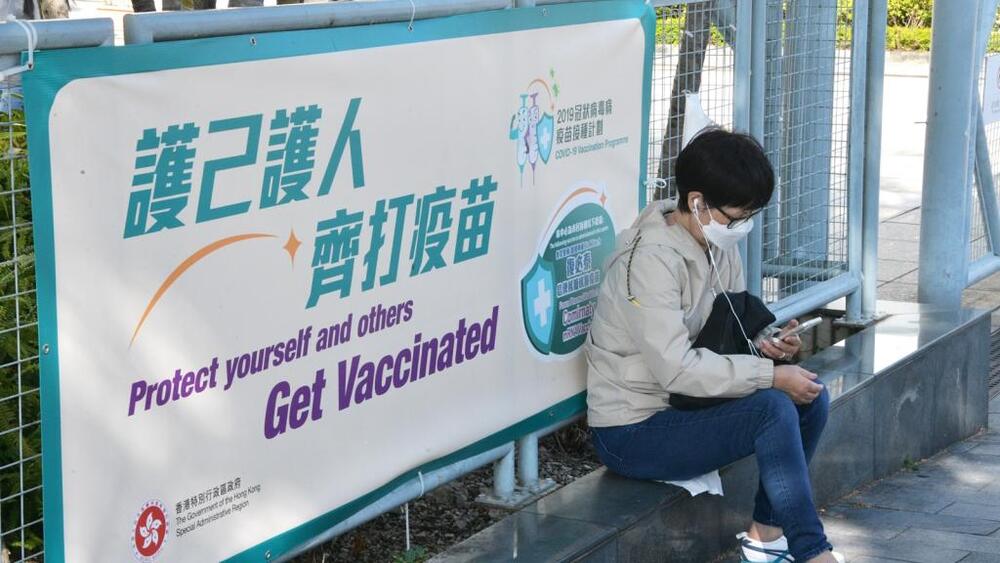
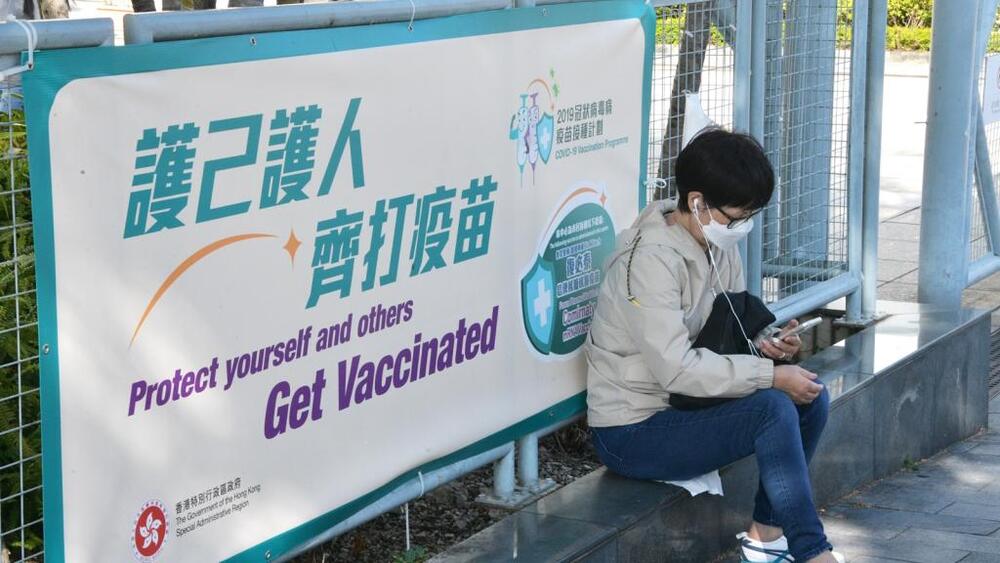
Chief Executive Carrie Lam Cheng Yuet-ngor said on Friday that the city's vaccination program would focus on its elderly and children as authorities battled to reduce a surge of coronavirus infections and climbing death rates ripping through care homes and hospitals.
The city reported more than 600,000 Covid infections and more than 3,100 deaths - most of them in the past two weeks.
Hong Kong reported the most deaths globally in the week to March 9; according to data publication Our World in Data, most have been unvaccinated senior citizens.
"Over 90 percent of the deaths were those who had not been fully vaccinated. We need to catch up and vaccinate every Hong Kong citizen," Lam told a daily news briefing on how her government was managing the virus.
She said the government has spared no effort in promoting the vaccination program, ensuring a sufficient supply of the Covid vaccines, and providing comprehensive support.
However, she said the vaccines were always "sitting there at vaccination centers," waiting to be picked up instead of citizens having a strong desire to get them.
There are currently some 300,000 citizens above the age of 70 yet to receive their first Covid vaccine, as well as some 260,000 children, said Lam.
Despite more than 90 percent of the population having received at least one dose of the vaccine, rates among the more vulnerable elderly have lagged the rapid spread of the Omicron variant in the city.
Lam said earlier that her administration was shifting its approach to target the elderly with more medical resources in its drive to combat the virus. A senior Chinese official also said Hong Kong needed to prioritize reducing deaths.
Meanwhile, Secretary for the Civil Service Patrick Nip Tak-kuen said, as of Thursday, around 40,000 residents of the city's 970 care homes have been arranged to get vaccinated, with the vaccination rate among them reaching 52 percent.
"Another 130 care homes will have their residents receive the first jab in the coming week," said Nip.
As for children aged between 3 to 11, Nip said the first-dose rate has reached 50 percent earlier than expected, with authorities hoping to push the rate further to 90 percent after one month.