Read More


![A Kinetica 1-Y5 commercial carrier rocket with 15 satellites onboard blasts off from a commercial aerospace innovation pilot zone in Northwest China, Nov 11, 2024. [Photo/Xinhua]](https://image.hkstandard.com.hk/f/1024p0/0x0/100/none/9d75efaf2880111bc04de3f4e79a2647/2026-04/v.jpg)




Six senior counsel appointed
31-03-2026 13:54 HKT
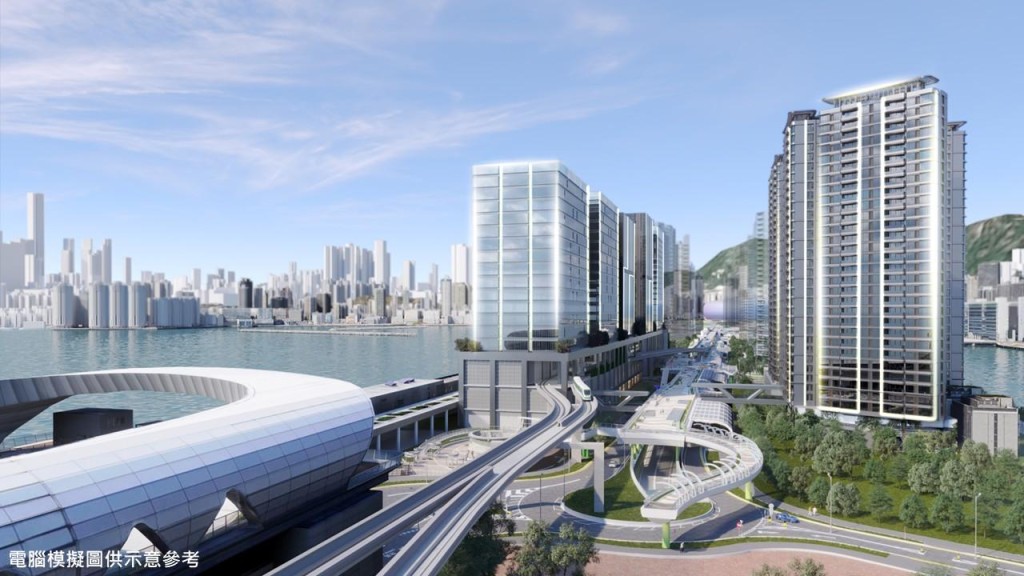
Approval granted for Kai Tak’s six-stop Smart & Green Mass Transit System
31-03-2026 16:27 HKT
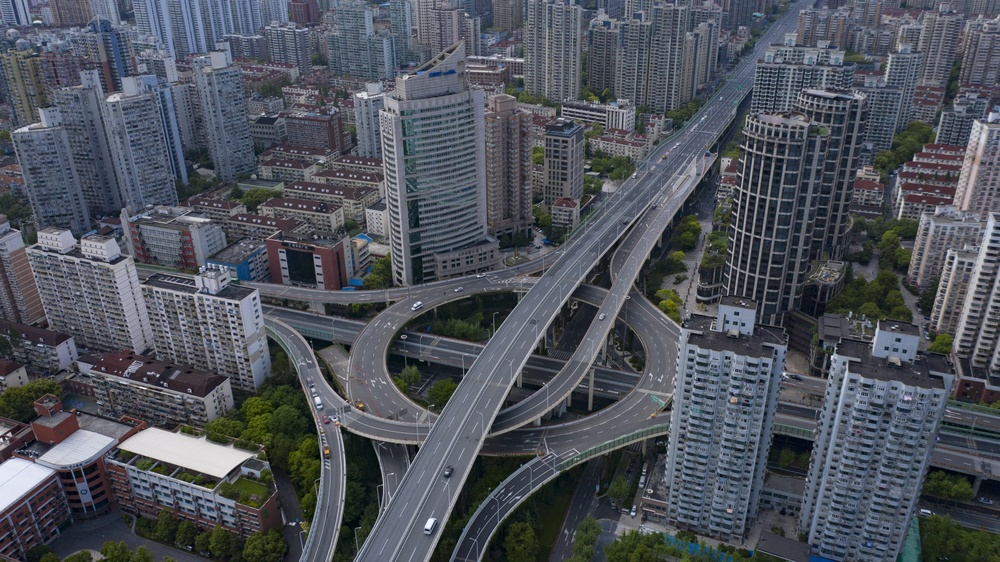
A grueling months-long Covid lockdown in Shanghai has shaken the confidence of American firms in China, who cite impending risks of shutdowns, travel curbs and supply chain disruptions for diverting investments.
Only 30 percent of companies in a recent survey said they increased investment this year, down from 38 percent in 2021, according to the American Chamber of Commerce in Shanghai’s annual China Business Report. Almost 20 percent said that they cut investments this year in China, mostly for Covid-related reasons, while about a third of the 307 companies said that this year they had already redirected investment planned for China elsewhere.
The survey results illustrate the increasingly difficult position American companies find themselves in in China. Not only are tensions between their home country and China rising, but the predictability of doing business in the country has been shattered by the Covid Zero policy, which has also undermined economic growth and prospects for profits.
“Rigid Covid measures have upended business performance expectations and optimism,” said Eric Zheng, president of the American Chamber Commerce in Shanghai. Companies still see growth potential in the market, but “to restore business confidence, China should pivot to a more sensible approach to managing Covid based on a reasonable balance between public health and the economy.”
Only 55 percent of respondents described themselves as optimistic about China’s five-year business outlook -- a record low, falling below levels during the trade war and the beginning of the pandemic.
However, only 53 firms said they were considering moving operations out of the country within the next three years, with uncertainty about US-China relations cited as the top reason, followed by Covid-related supply chain issues.
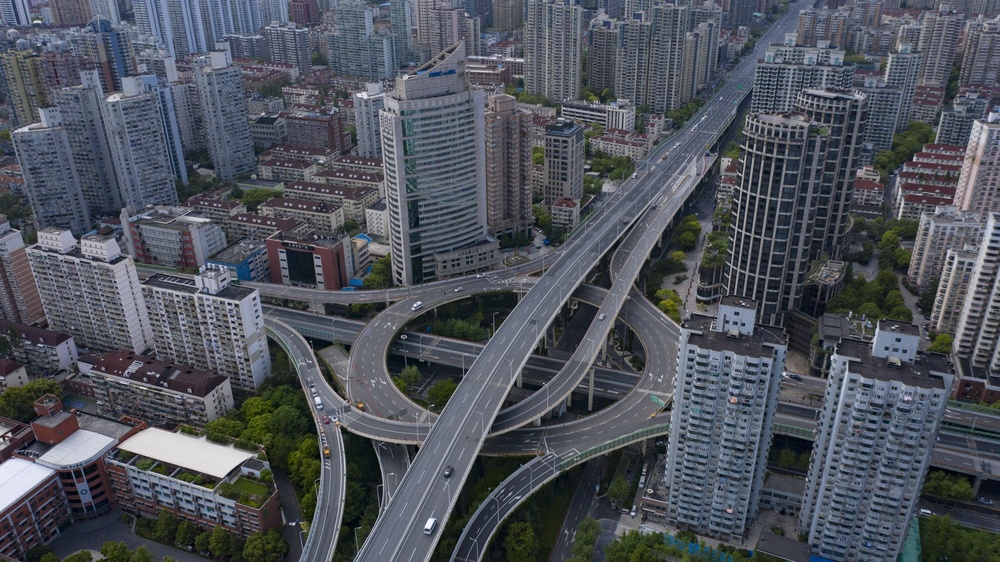
Shanghai underwent a wrenching lockdown in the spring, which confined the vast majority of the tens of millions in the city to their homes for at least 60 days. Not only was that experience personally painful for the residents, but it severed supply chains, forced businesses in the city and the surrounding provinces to shut, and pushed the national economy into stagnation.
The chamber surveyed its members earlier this year during the early days of the lockdown and found that 81 percent of respondents said the curbs were impeding their ability to attract or retain skilled foreign staff.
US-based analyst Scott Kennedy recently visited the city and described the population as “still getting over the trauma of two or three months locked down.” That type of experience probably damaged some foreign executives’ confidence about continuing to live and work in Shanghai and China more broadly.
Over half of American firms said confidence from their headquarters toward China’s economic management has deteriorated. Only 47 percent are expecting revenue expansion for the year, the lowest in over a decade.
“Headquarters’ executives were unwilling to travel to China given the onerous Covid restrictions and this in turn blighted China’s appeal to foreign venture capital executives and senior multinational company executives,” the report said.
However, the report noted that large multinationals are more optimistic about their prospects in China than smaller firms and are continuing to invest in the country. This follows a similar pattern to European firms, with a recent study showing nearly 80 percent of European investment into China over the past three years came from just 10 firms.
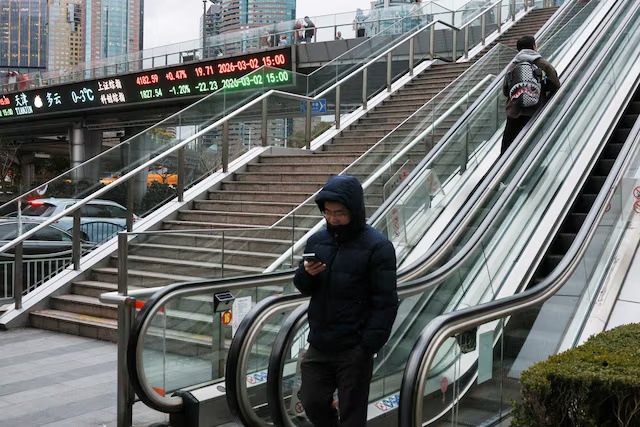
China’s economy rebounded somewhat in the third quarter, but profits of foreign industrial firms fell 9.3 percent in the first nine months of the year, according to separate data out this week. That was an improvement on earlier in the year and compares with a 3.8 percent increase for Chinese state-owned companies.
Official data showed inbound foreign direct investment rose 15.6 percent in the first nine months of this year, although that data is distorted by mainland companies “round-tripping” investments via Hong Kong and is not representative of the flow of money from foreign countries.
The impact of Covid Zero policies on business confidence is “sobering,” but they are only partly to blame for the rising concern about companies’ prospects, according to Sean Stein, the chairperson of AmCham Shanghai.
“There’s also been a lack of transparency in terms of government regulation and intellectual property protection, and that creates risks for their operations,” He said. “China is becoming less competitive for foreign investment and firms, and unless that changes, foreign firms can and will go elsewhere.”
(Bloomberg)