Read More
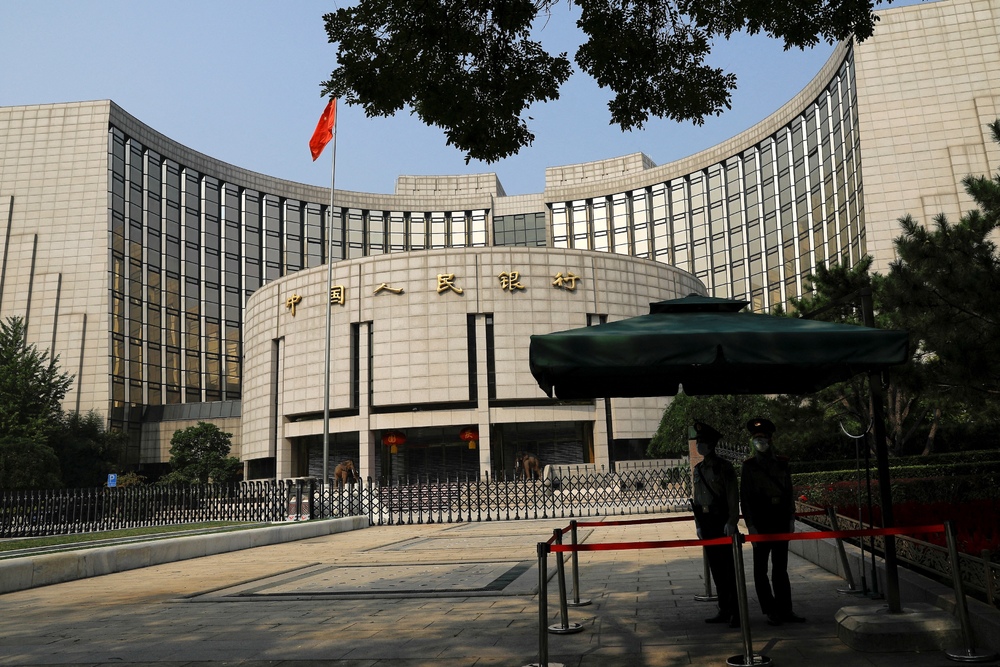
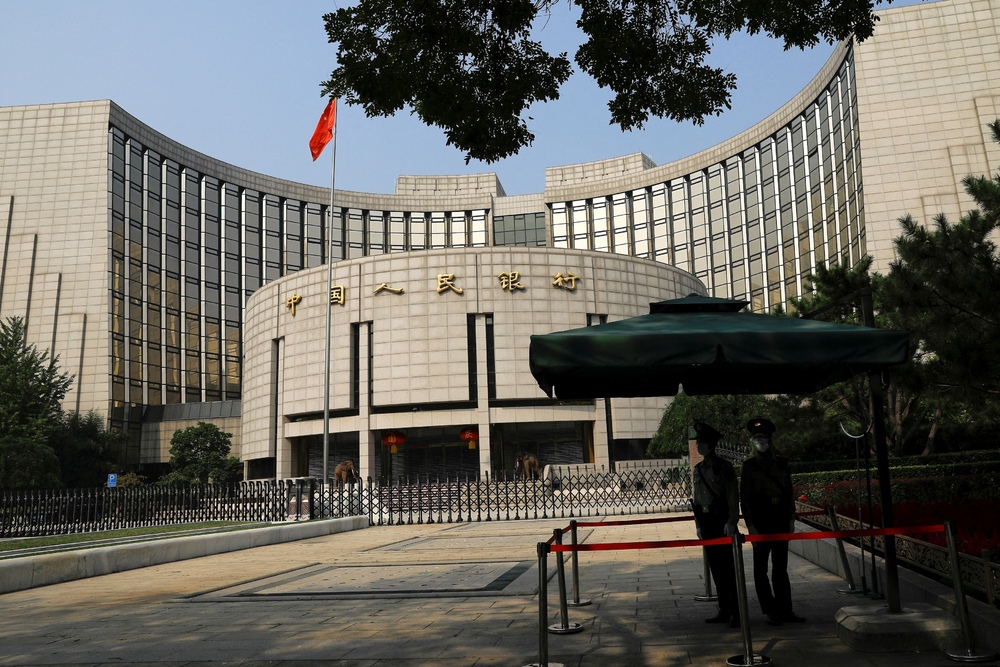
China’s central bank said it will consider foreign factors and tweak its policy if necessary, in a possible recognition of external constraints on monetary easing.
ADVERTISEMENT
SCROLL TO CONTINUE WITH CONTENT
The People’s Bank of China will “choose the opportunity to adjust and optimize the intensity and pace of policies based on domestic and foreign economic and financial conditions,” it said in a quarterly monetary policy report published Thursday. The publication provides a rare glimpse into the PBOC’s outlook and policy plans.
The new phrasing could be a veiled acknowledgment of adverse factors weighing on the yuan — from sticky US inflation to Donald Trump’s tariffs — that have led China to delay monetary stimulus.
Many investors and analysts expected a cut to banks’ reserve requirement ratio, which will unlock liquidity for more lending, to take place over the past two months, but it has yet to materialize.
The PBOC also reaffirmed a pledge to keep the yuan “basically stable on a reasonable, equilibrium level,” as well as to defuse risks of any overshooting in the exchange rate.
The central bank is facing a tough policy trade-off as the yuan has come under greater strain over the past few months, making prominent monetary easing difficult to implement since that risks worsening the depreciation pressure on the currency.
China’s economic growth picked up after the government rolled out a broad stimulus package including sizable rate cuts in September. But the economy is still having to contend with longer-term challenges including persistent deflation, a property slump and sluggish consumer confidence.
The PBOC vowed to use tools including rates, the RRR and open-market operation to keep liquidity ample. It reiterated that promoting a rebound in inflation will be an important consideration for monetary policy, and that it will guide credit to expand “reasonably.”
The central bank also warned that geopolitical tensions and changes in trade policies in “certain countries” could push inflation higher in major economies.
Bloomberg