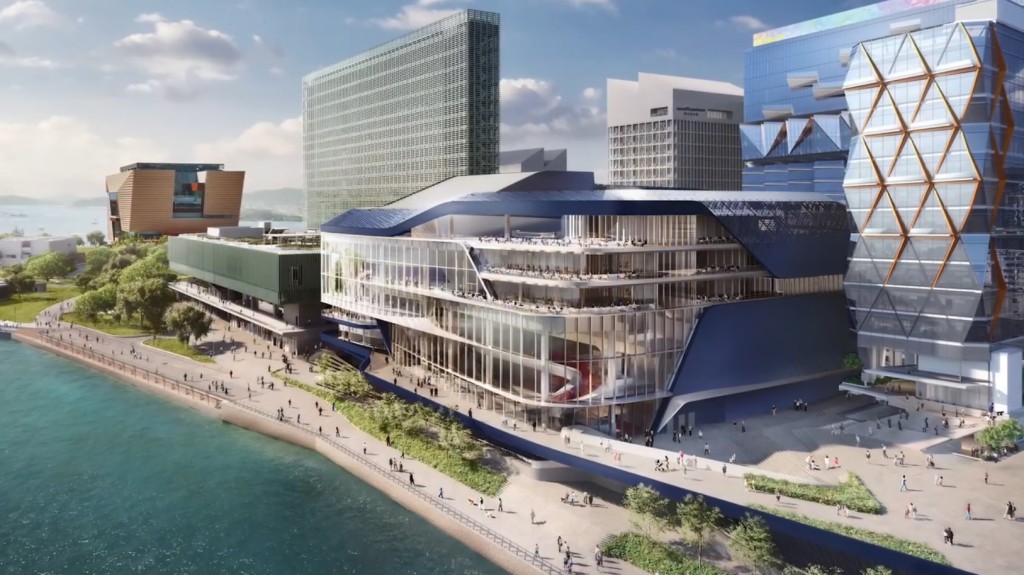
Behind the rising facade of West Kowloon’s newest cultural landmark, dancers will rehearse in full public view, productions will move seamlessly from rehearsal to performance, and audiences will gather beside Victoria Harbour.
The WestK Performing Arts Centre, scheduled to open in 2027, offered its first glimpse inside this week through a teaser video revealing a collection of purpose-built spaces for theater and dance.
It will become the third performing arts venue operated by WestK, joining the Xiqu Centre and Freespace. Together, the three venues will provide 10 theaters with more than 4,500 seats, significantly expanding the cultural district’s capacity for local and international productions.
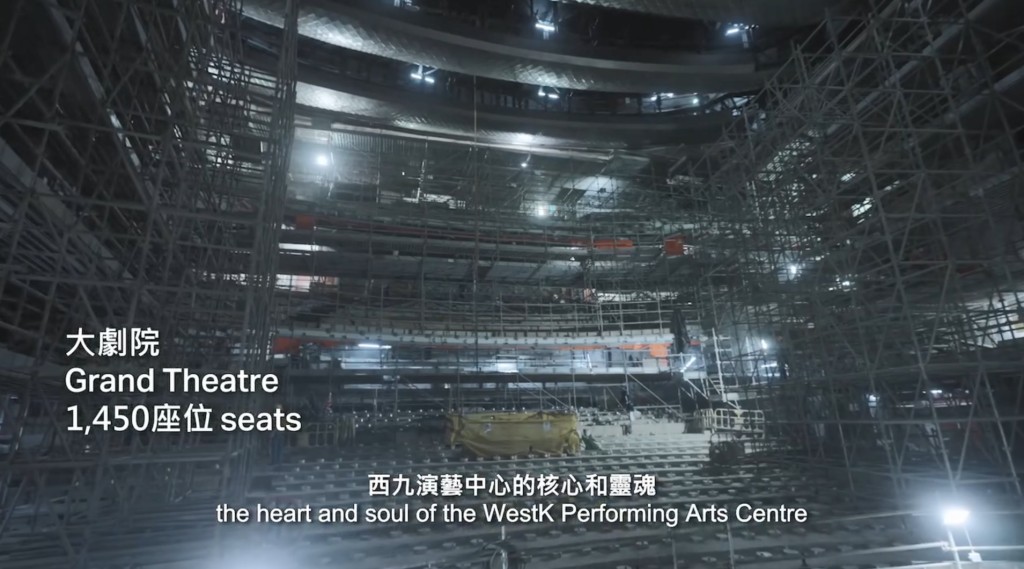
At the heart of the new center is the 1,450-seat Grand Theatre, which will become the largest theater in the West Kowloon Cultural District.
Designed for large-scale dance, drama and musical theater productions, the auditorium uses deep red and bronze tones inspired by traditional European theaters while maintaining a contemporary character.
Beside it is The Hall, a rehearsal and performance space with a stage built to the same dimensions as that of the Grand Theatre. Artists and production teams will be able to rehearse under comparable technical conditions before moving directly into the main auditorium, reducing the adjustments often required between studio and stage.
The center will also include a 600-seat Medium Theatre, designed as an advanced mid-sized proscenium venue, and a 270-seat Studio Theatre for experimental and innovative work. The three principal theaters will offer a combined 2,320 seats.
A home built for dance
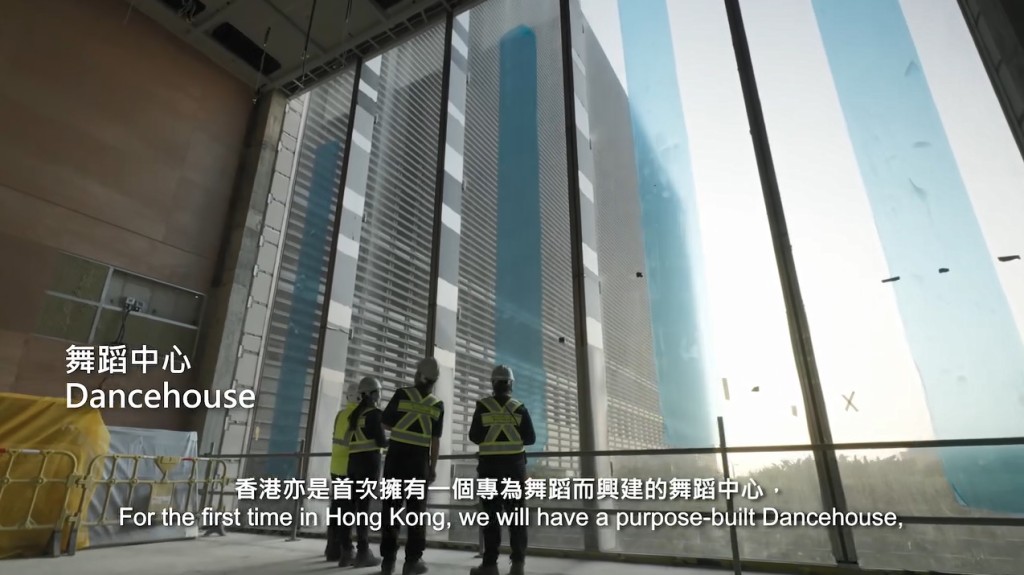
Perhaps the center’s most distinctive feature is Dancehouse, described by WestK as Hong Kong’s first purpose-built center dedicated to dance.
With eight dance and rehearsal studios, it is intended to provide local companies and independent artists with a permanent base for training, research and creation.
WestK Performing Arts executive director Paul Tam Siu-man said it would become “a place that dance companies and artists regard as home.”
Rather than placing rehearsals behind closed doors, Dancehouse occupies a prominent position within the building. Passersby will be able to see dancers at work through its open design, bringing a usually private creative process into the public realm.
The approach reflects the center’s broader ambition to make the performing arts more visible and approachable—not only during an evening performance, but throughout the day.
Where rehearsal meets performance
The building has been conceived as more than a collection of auditoriums. Its theaters, foyers, studios, terraces and public areas are linked through an open central route connecting Artist Square with the harborfront.
The design creates sightlines between rehearsal areas, public spaces and the city beyond, encouraging visitors to observe the artistic process as they move through the building. Each theater also has its own foyer with access to outdoor terraces overlooking the surrounding district.
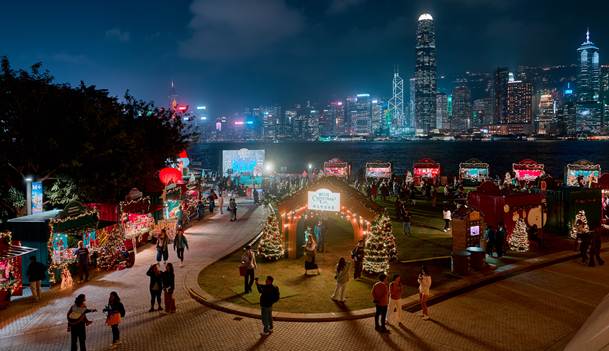
Set close to Victoria Harbour, the center will remain accessible even to those without tickets. Visitors will be able to walk through its public areas, stop for a drink or simply take in the waterfront view.
This openness is central to the venue’s identity. Instead of functioning solely as a destination for scheduled performances, it is intended to become part of the city’s everyday life—a place where artists, audiences and members of the community can cross paths.