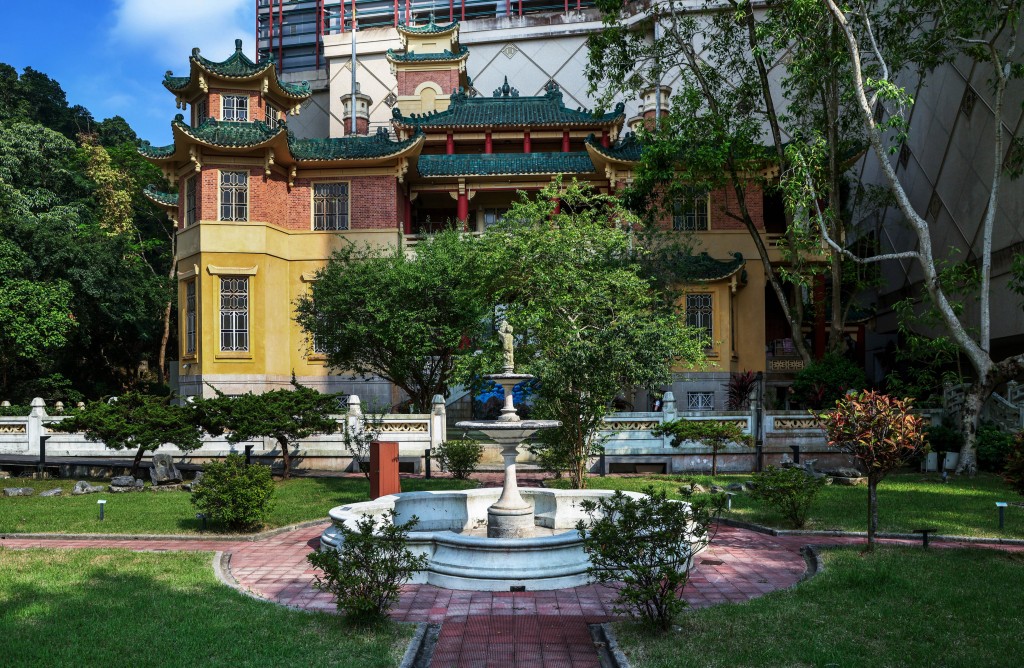
Haw Par Mansion, the Grade 1 historic building long tied to Hong Kong’s collective memory, is set to begin a new chapter as the city’s first cultural villa — Villa Haw Par — turning the Tai Hang estate into a living house for artists, audiences and cross-cultural exchange.
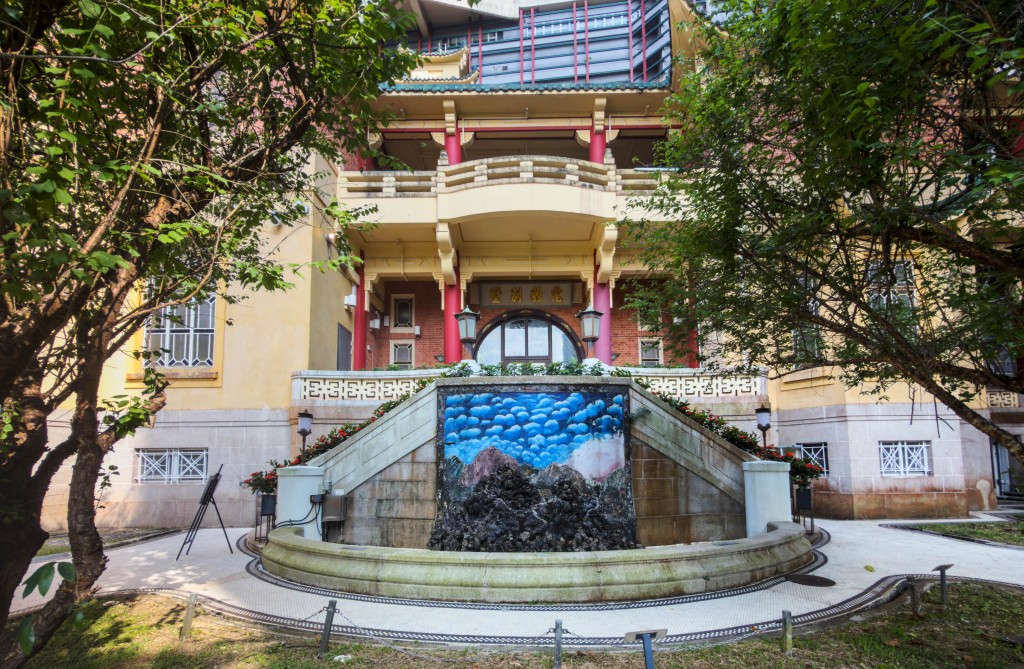
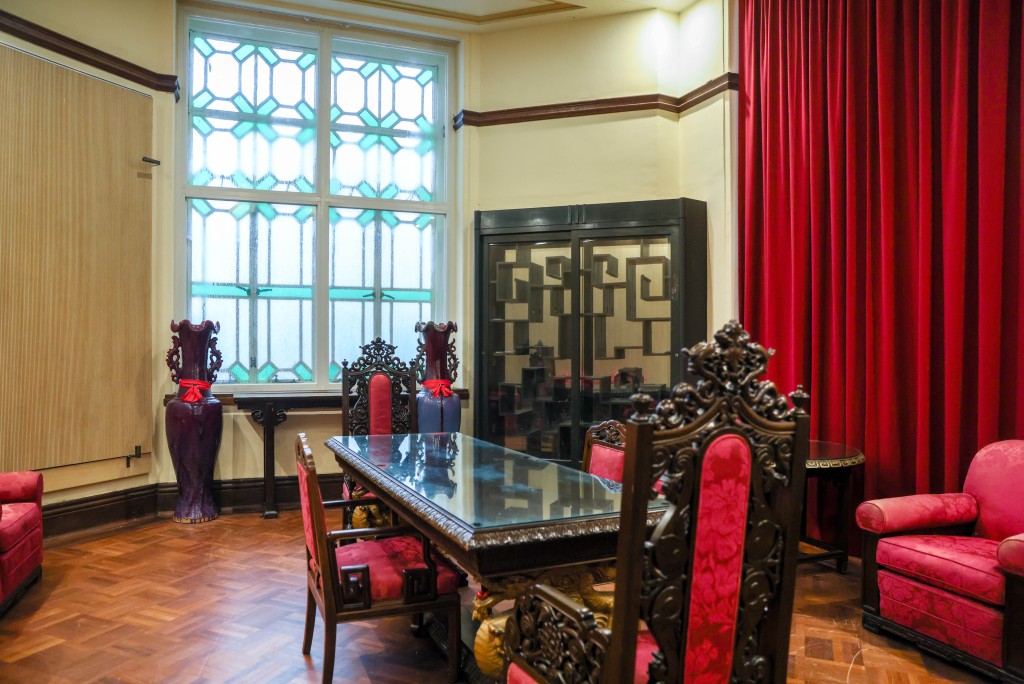
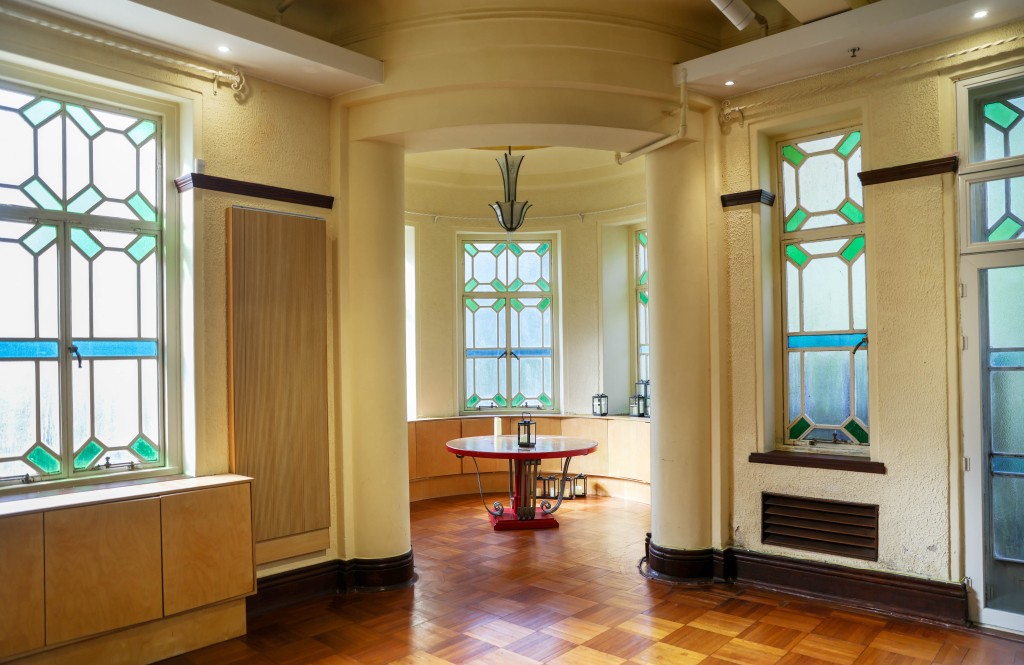
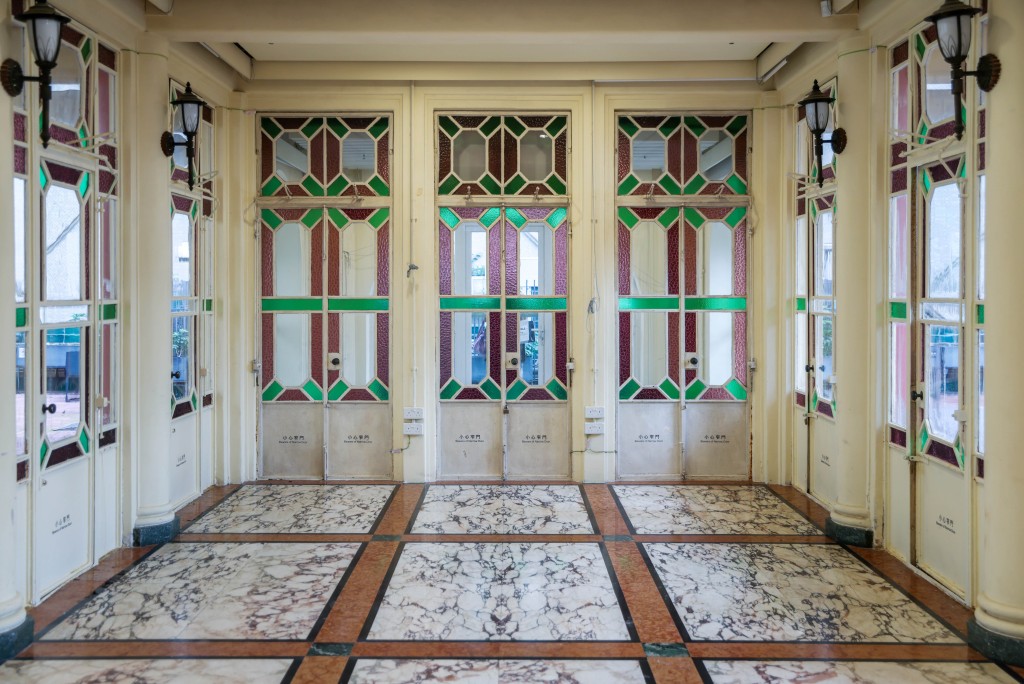
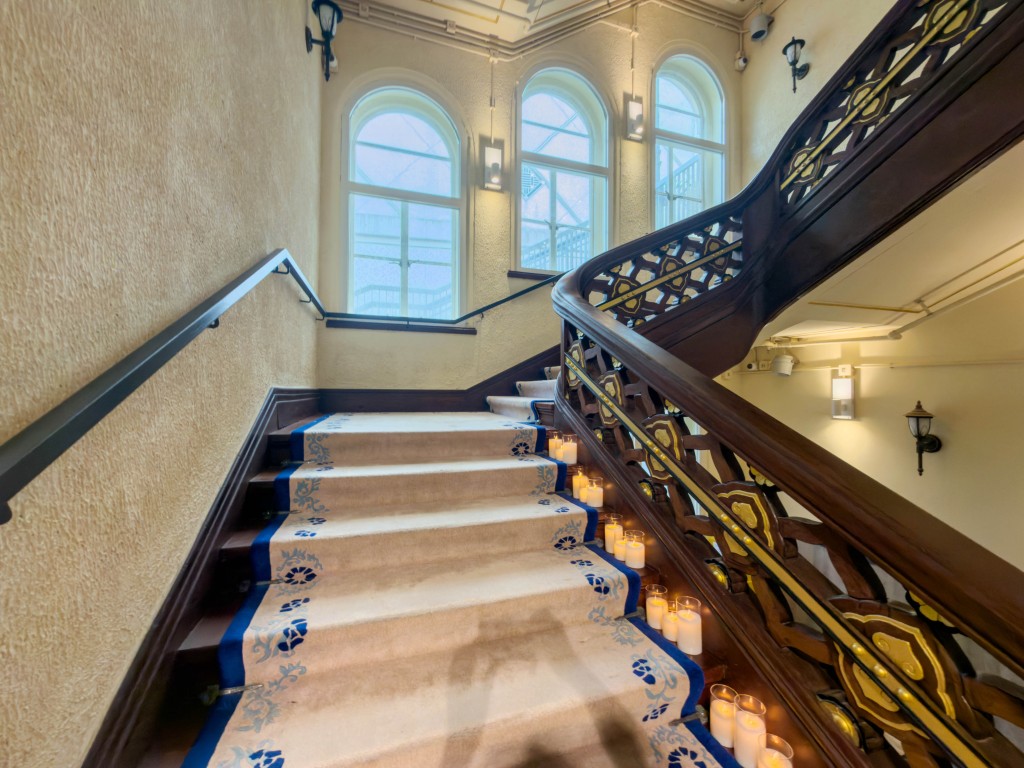
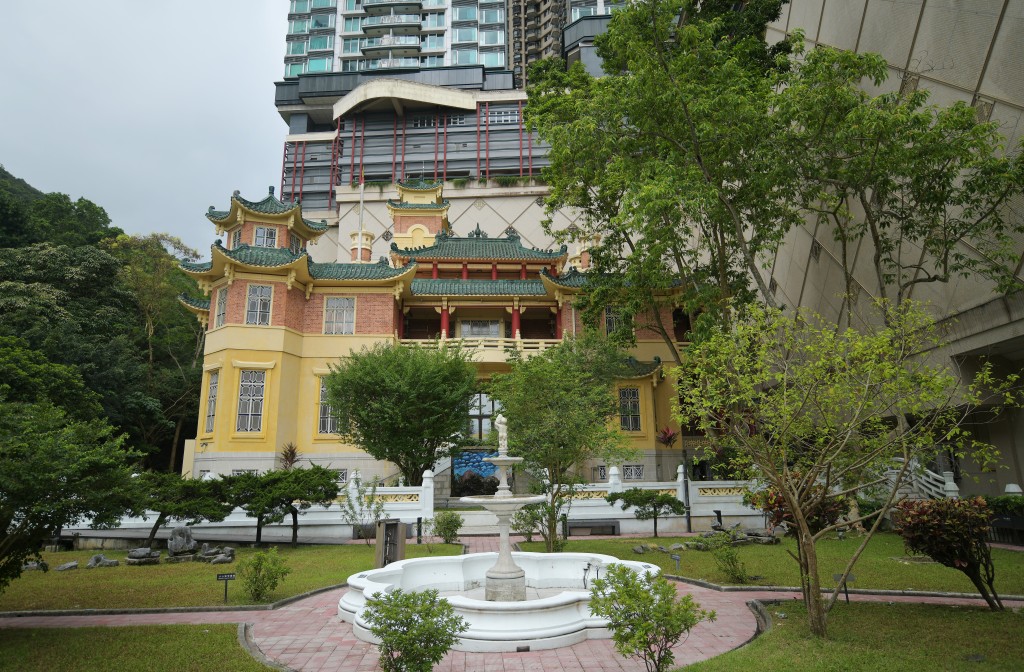
Built in 1935 by Aw Boon Haw, founder of the Tiger Balm empire, the mansion is one of Hong Kong’s most distinctive heritage sites. Its Chinese Renaissance architecture, blended with Western materials and design details, reflects the city’s layered identity as a meeting point between East and West.
The Foundation for Art and Culture, chaired by Arthur de Villepin, has been entrusted by the Hong Kong government to operate the site on a non-profit, self-financing basis.
Speaking ahead of the groundbreaking ceremony, de Villepin said the project is not intended to create a conventional museum, but “a working house” where artists can create and heritage can coexist with contemporary practice.
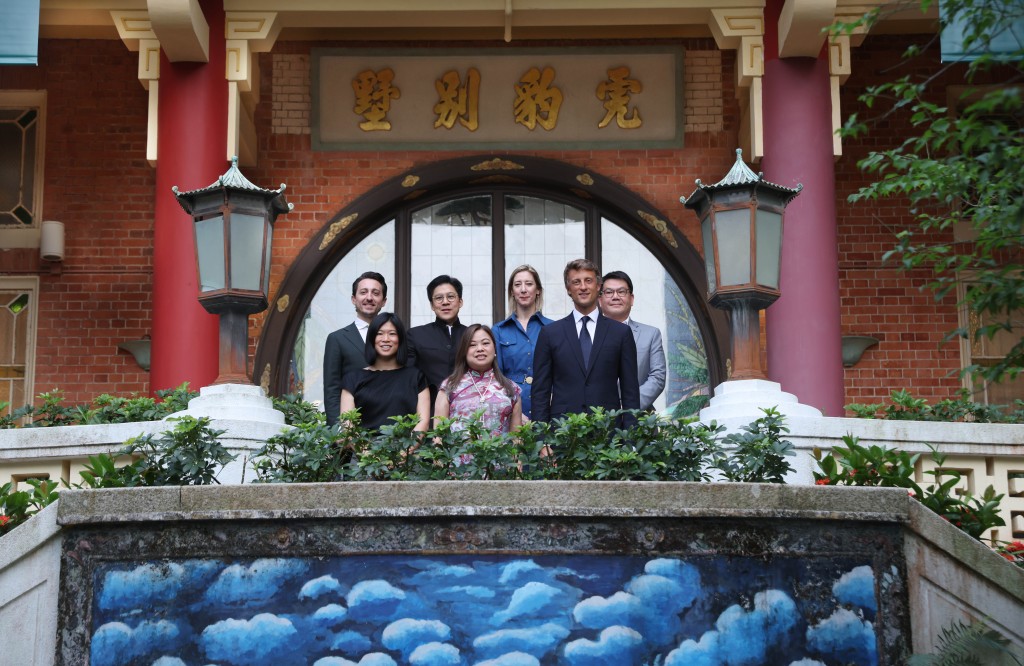
(Front row from left) Executive director for Villa Haw Par Sara Mao, Secretary for Culture, Sports and Tourism Rosanna Law Shuk-pui, and Foundation for Art and Culture chairman Arthur de Villepin at the ground breaking ceremony.
The villa is expected to open to the public by the end of 2026. From 2027 to 2028, it will gradually roll out a full program of exhibitions, artist residencies and cultural encounters. The foundation also hopes to connect the site to an international network of cultural villas.
The revitalization will unfold in phases. The first phase will focus on restoring and activating key areas, including the garden, to be reimagined as a “Garden of Wonders,” drawing on memories of the former Tiger Balm Garden. Inside the mansion, immersive digital mapping is planned to help visitors understand the history, architecture and layered stories of the house.
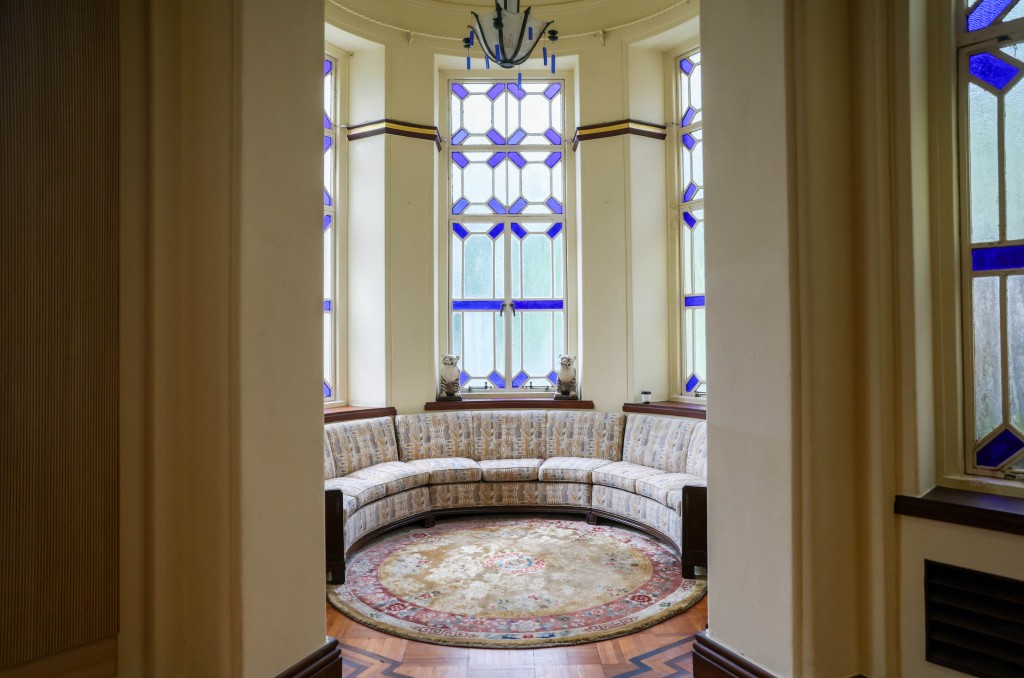
Other rooms will host changing programs. The dining room is expected to feature seasonal design pieces, while the music room may become a listening space for installations and intimate performances. Later phases will include a library, cinema suite, artist residency studios, rooftop terrace, cafe and gift shop.
A key ambition, de Villepin said, is to make the villa a place visitors return to, rather than a heritage site they see only once. Artists may eventually use the house itself as a canvas, contributing murals, stained glass, sculptures or other site-specific works that allow the building to evolve while honoring its past.
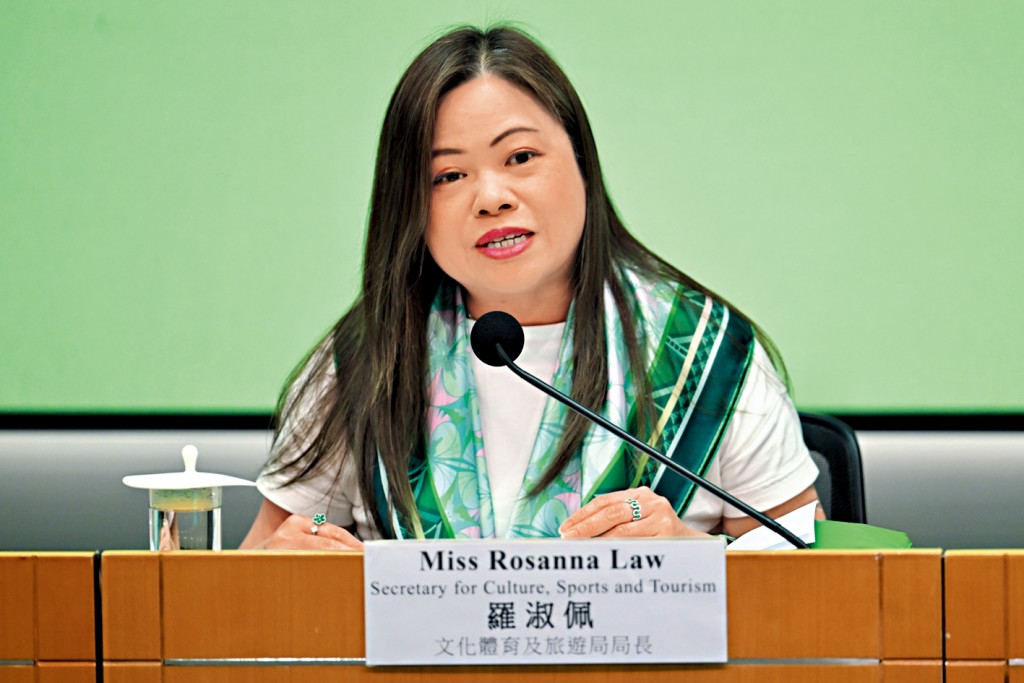
Secretary for Culture, Sports and Tourism Rosanna Law Shuk-pui described the project as a milestone in transforming Haw Par Mansion “from a static monument into a living, dynamic cultural landmark.”
She said the revitalization is not merely about conserving “bricks and mortar,” but about breathing new life into a legendary site and strengthening Hong Kong’s role as an East-West center for international cultural exchange.
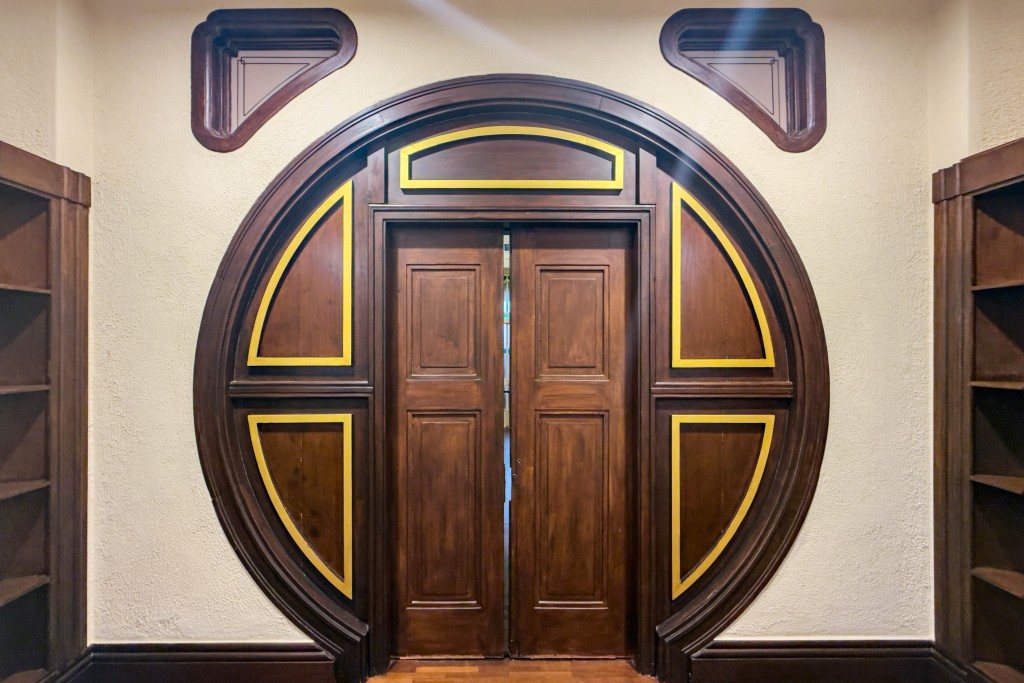
Architectural details inside Haw Par Mansion carry layers of history and memory.
Architectural details inside Haw Par Mansion carry layers of history and memory.
The villa will operate through ticketing, memberships, donations, partnerships and private hire outside public opening hours. Its planned opening hours are 10am to 6pm, with Tuesdays closed.
For Sara Mao, executive director for Villa Haw Par, the goal is to keep the site’s history alive while creating something new. The project’s guiding idea, she said, is “Connecting cultures, inspiring creativity.”