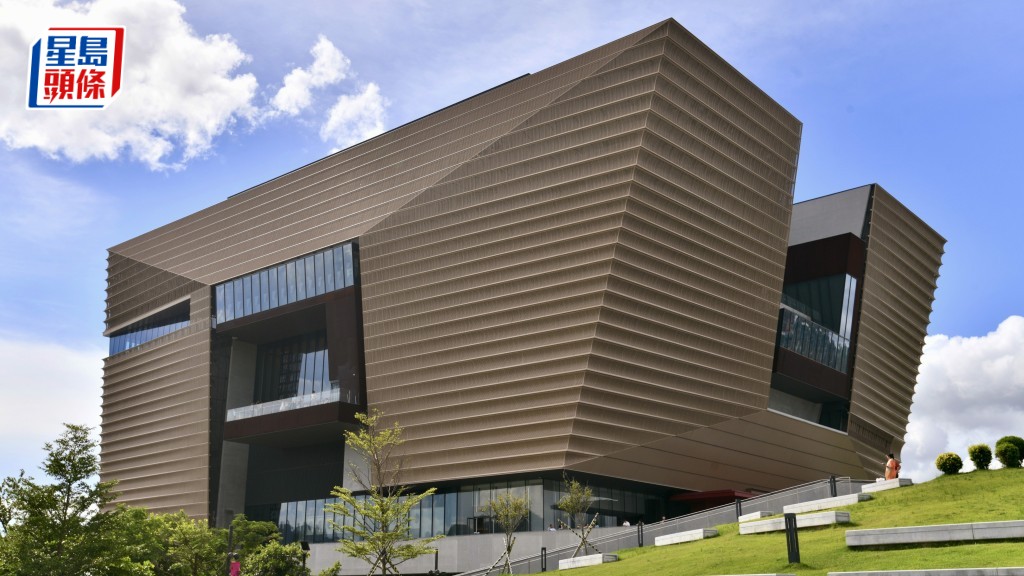
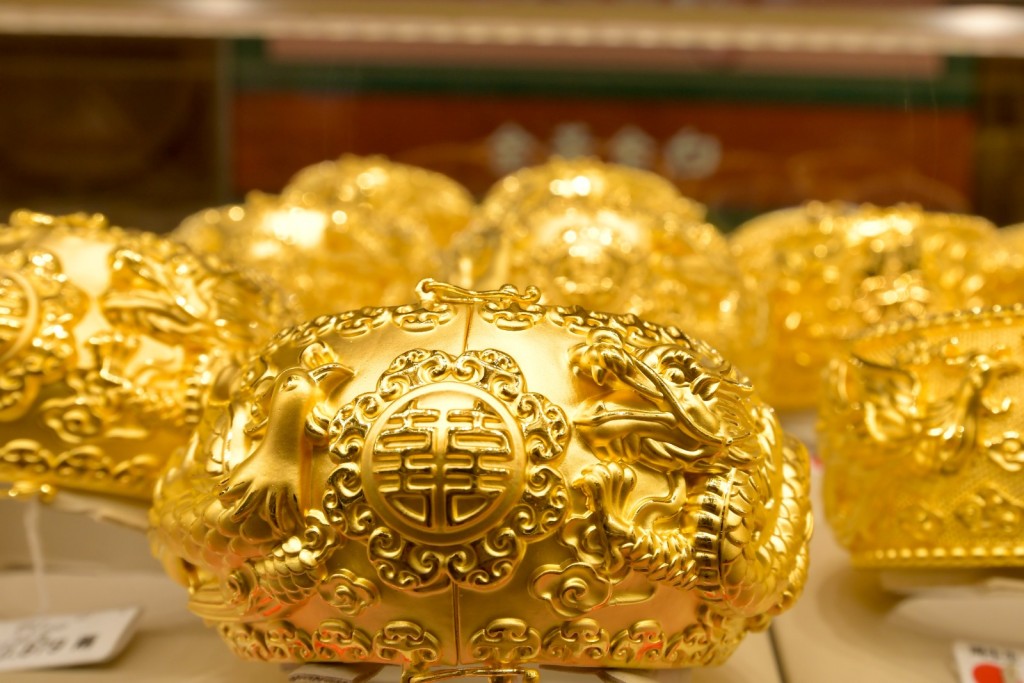
The iconic jewelry collection of New York's Metropolitan Museum of Art made the first stop of its traveling showcase in the Hong Kong Palace Museum yesterday, boasting around 200 masterpieces from as long ago as the second millennium BCE.
Running through October 19 this year, "Treasures of Global Jewellery from The Metropolitan Museum of Art: The Body Transformed," co-organized by the Met and the HKPM, brings to light a sweeping 4,000-year history of jewelry across five continents.
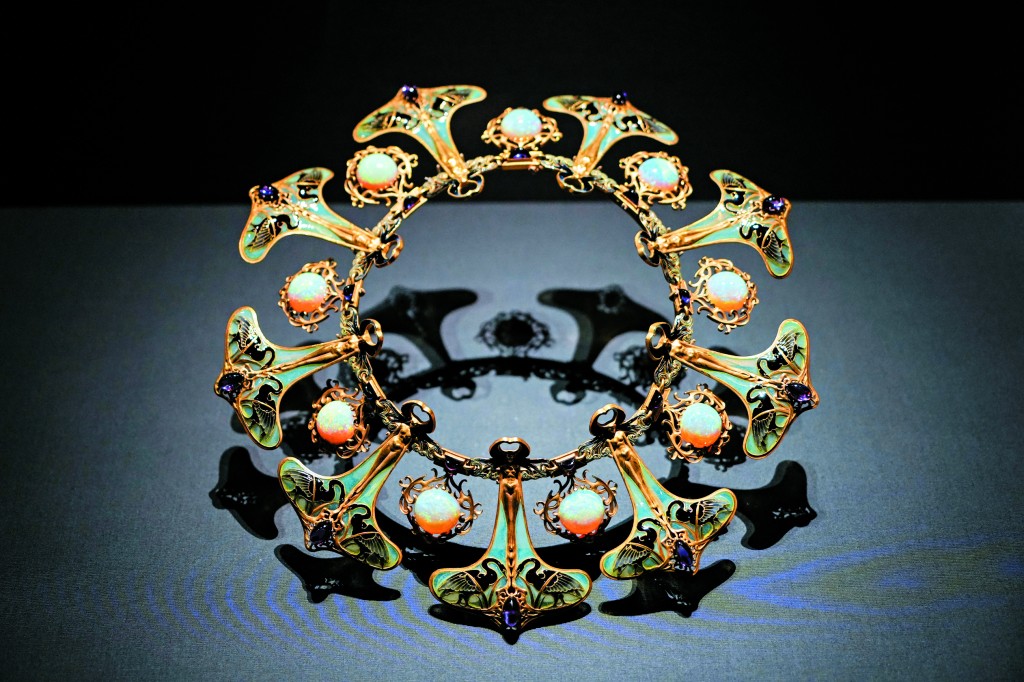
The exhibition begins with the basics: how jewelry adorns the body. A highlight is a 19th-century necklace by French glass and jewelry master Rene-Jules Lalique, whose sensual, Art Nouveau designs were inspired by the female body. Fused with gold, enamel, opals and amethysts, the necklace was a gift to his wife.
Necklace by Rene-Jules Lalique, a gift to his wife. HKPM
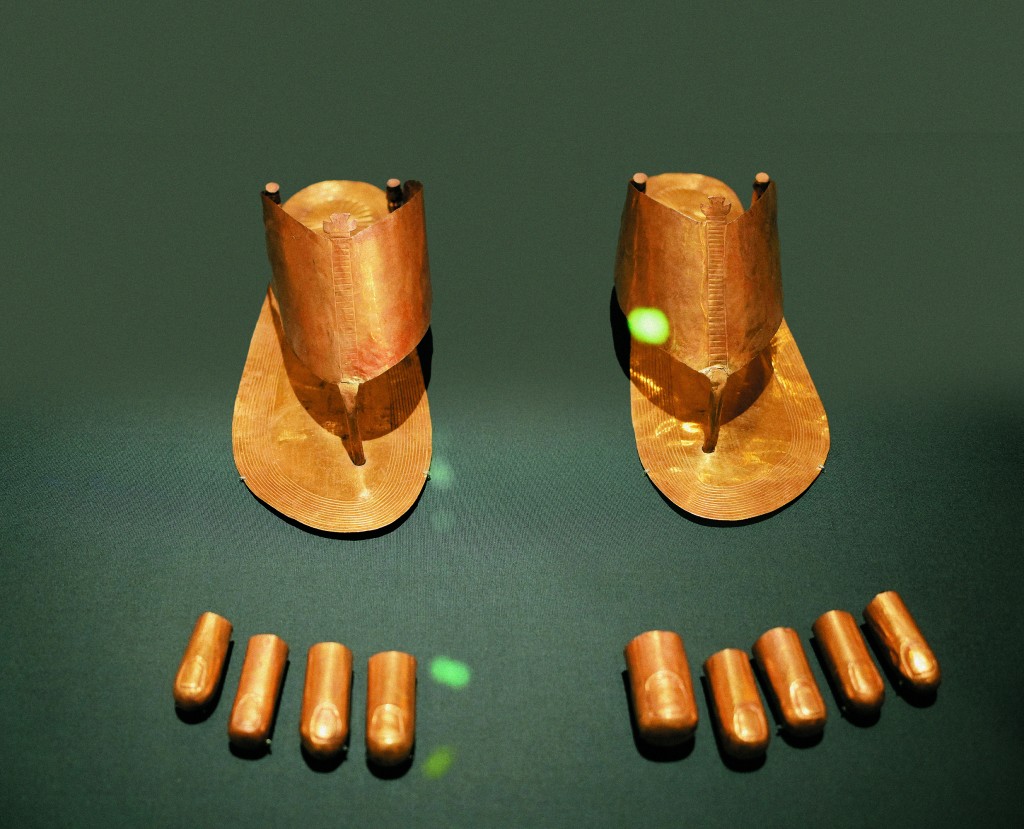
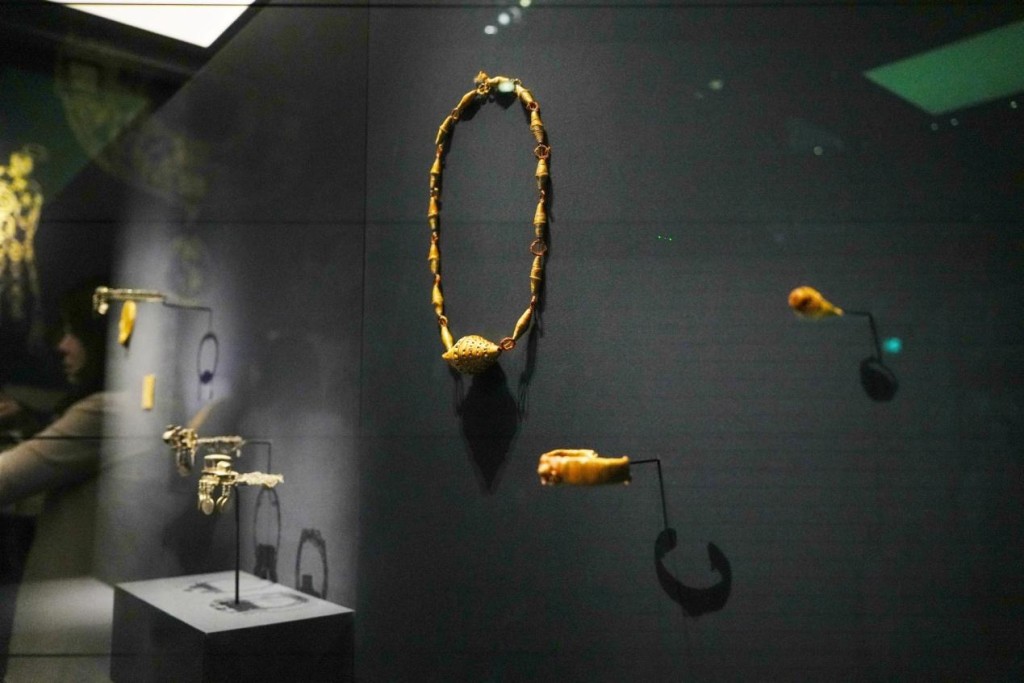
The exhibition then turns to jewelry's perceived relationship with the divine. Standing out are a pair of gold sandals and toe stalls used for the ancient Egyptian burial of pharaoh Thutmose III's wife, believed to safeguard her journey into the afterlife.
Gold sandals and toe stalls from ancient Egypt
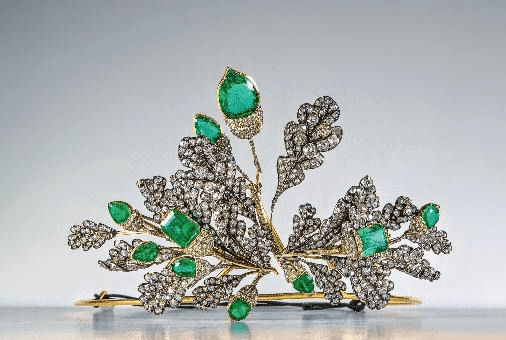
Jewelry was also seen in the past as royalty embodied. A silver tiara embellished with emeralds, contributed by the ILLUMINATA Collection, comprises three English oak-leaf sprays that, in 19th-century Britain, signified national strength and regal authority.
A tiara made with emeralds, diamonds, gold and silver. The ILLUMINATA Collection
Jewelry's beauty, however, does not lie solely in the use of precious stones, as evidenced by a necklace forged by 20th-century Songhay women of West Africa. Crafted with nothing more than beeswax and straw, it radiates a warm glow that not even gold can emulate.
A necklace forged by Songhai women of West Africa using beeswax and straw
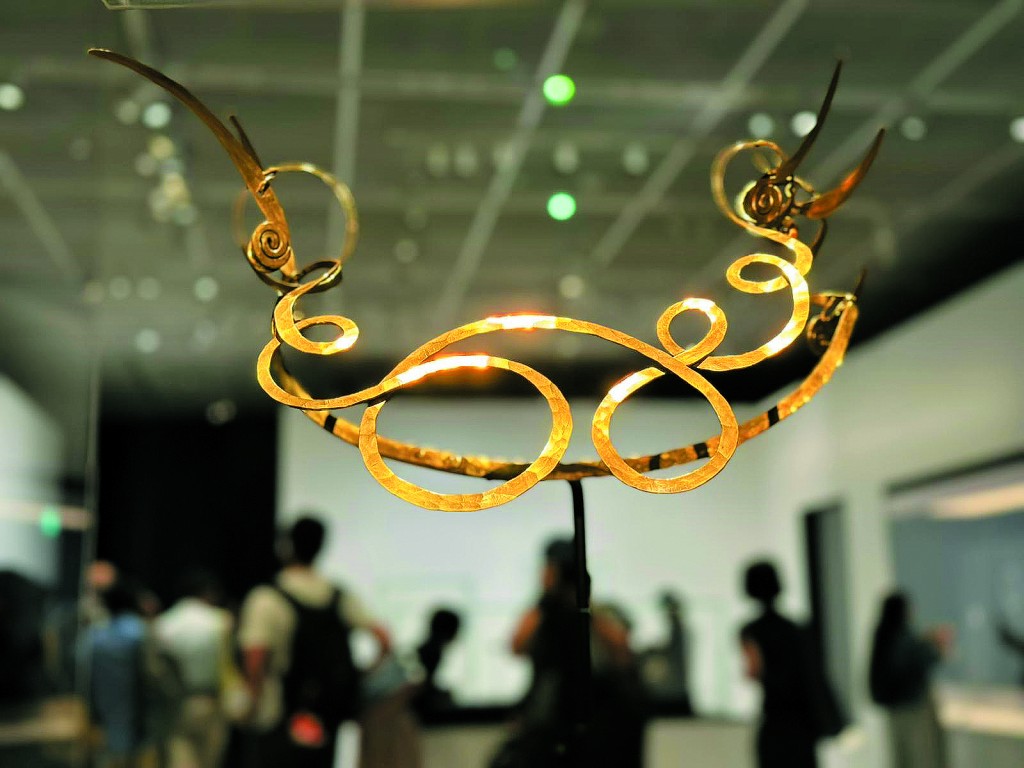
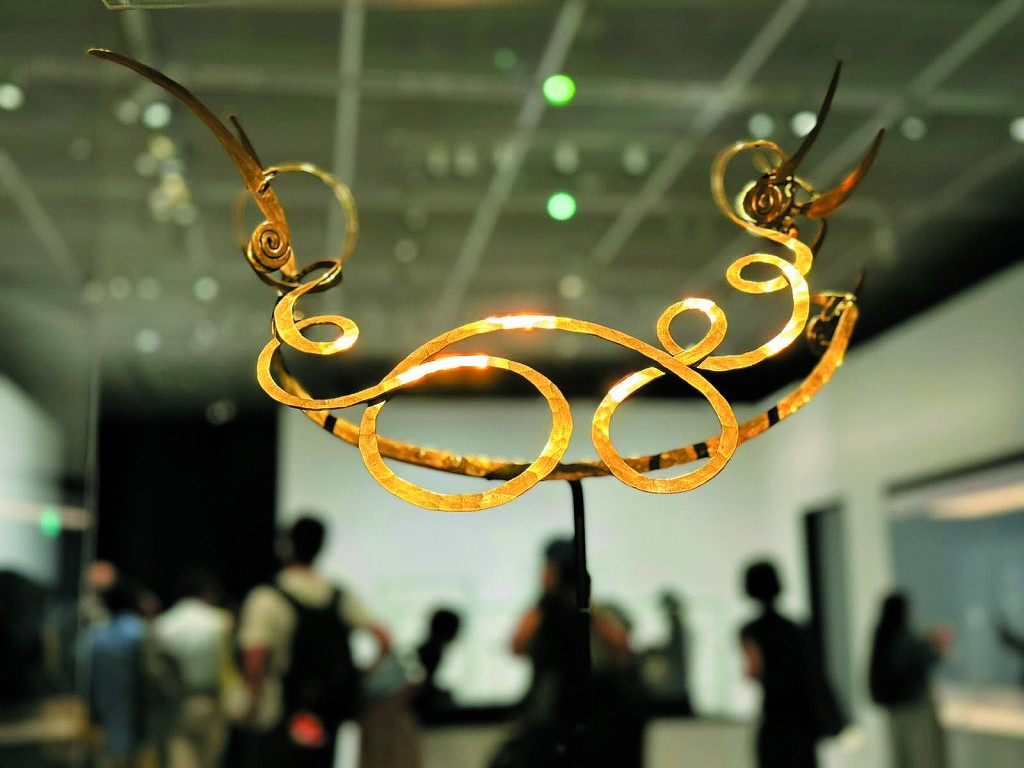
The viewer finally arrives in the modern era of jewelry, finding interesting pieces such as The Jealous Husband necklace by American sculptor Alexander Calder, a neat composition of brass wires bent in alluring, curvaceous lines.
The Jealous Husband necklace by Alexander Calder