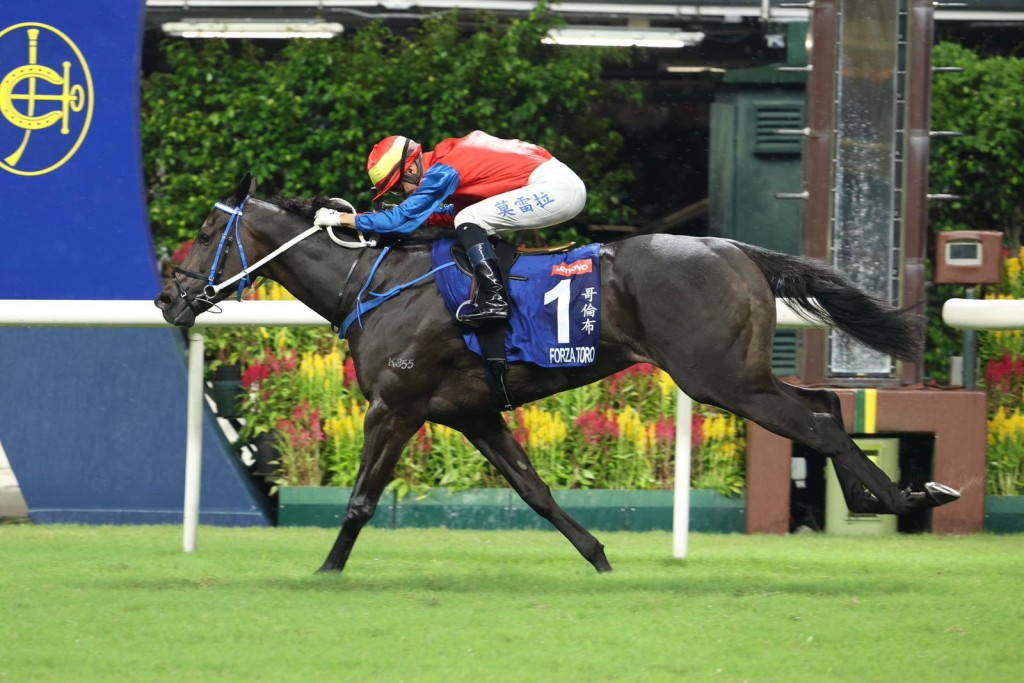
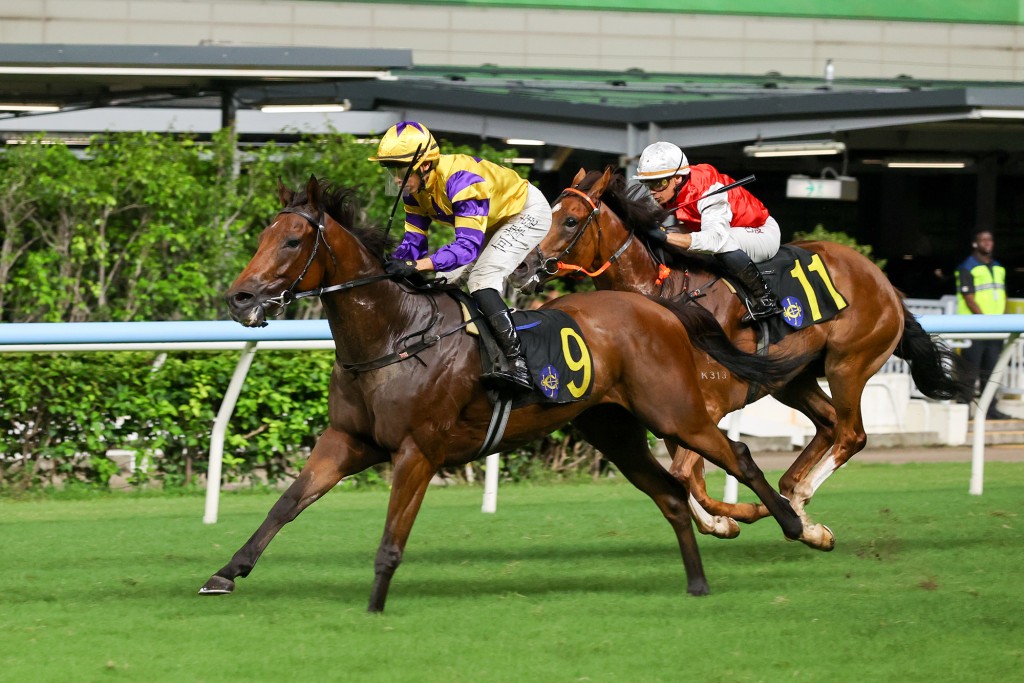
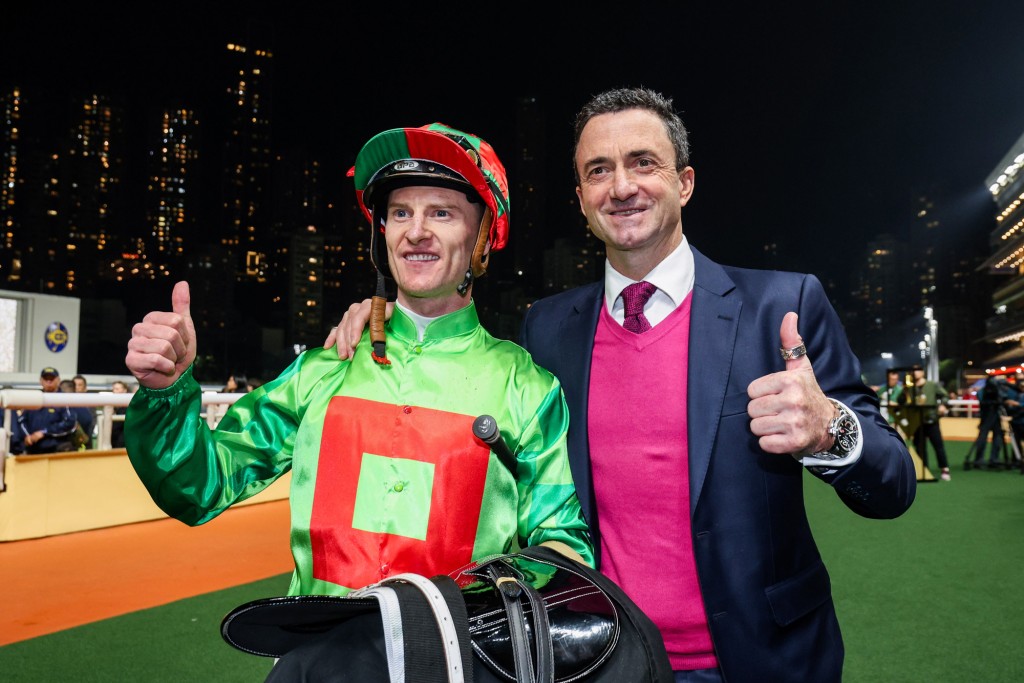
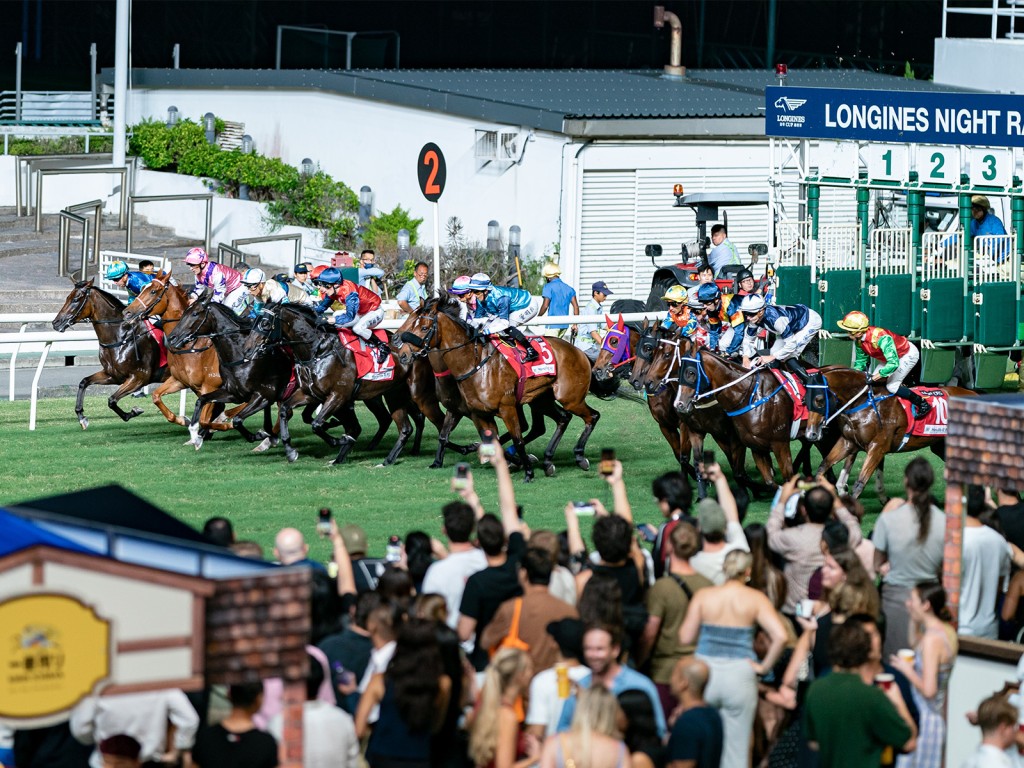
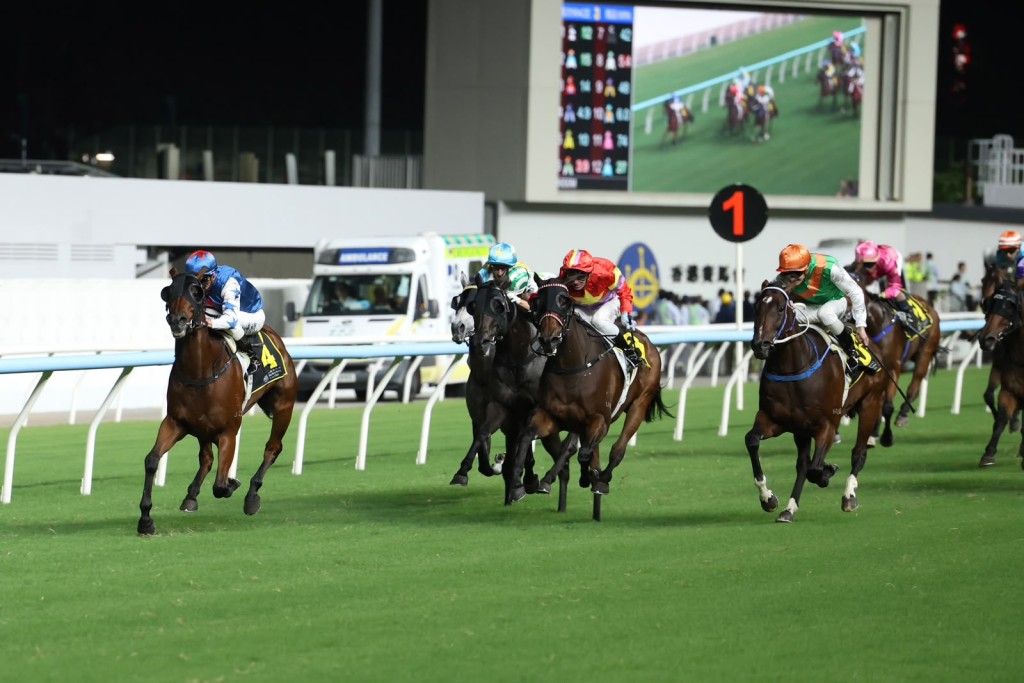
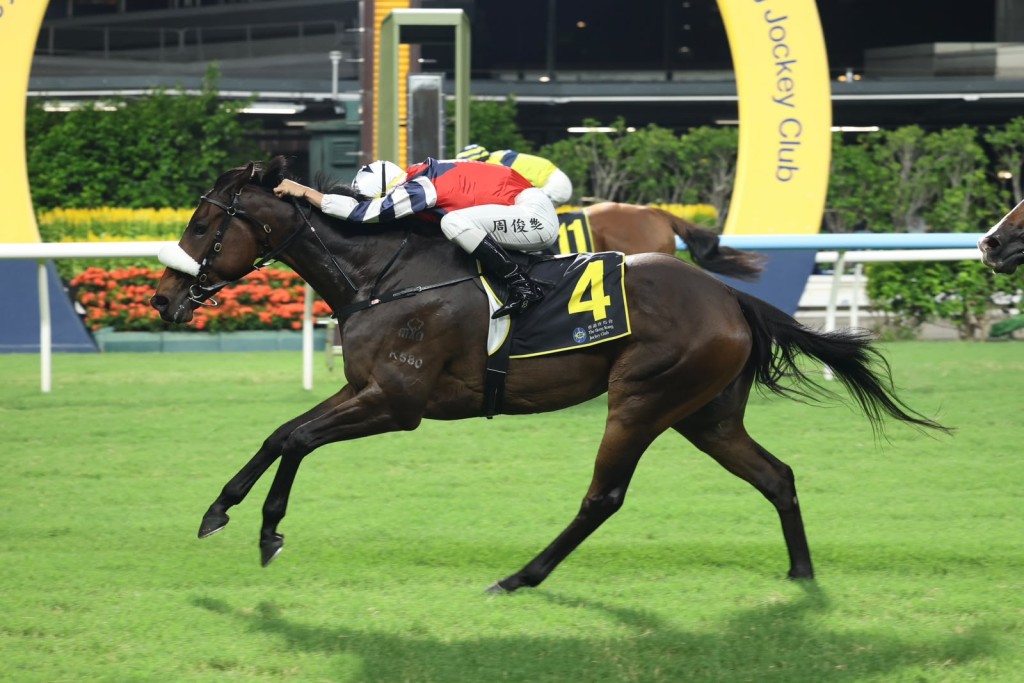
Every new idea in racing arrives to a welcoming committee of skeptics, and the one-off concept race ‘Eight to Glory’ got its reception right on cue.
The Jockey Club's World Cup experiment – eight horses, eight sets of bespoke national silks, a charity donation for every owner – jumps at Happy Valley tomorrow night, and was picked apart before a single set of colors had been allocated.
Some of the criticism is fair. The concept felt rushed, and the Club - perhaps inevitably for an organization of such scale and bureaucratic machinery – doesn't always make it easy for its good stories to cut through. But there's a difference between critiquing the execution and knocking the bravery to try. But one tip – once the decision is made, talk it up - freely and with enthusiasm.
The loudest objection centered on turnover. An eight-horse field, the argument goes, is a blow to business – the Club shooting itself in the foot.
Here's the thing about turnover: no racing fan has ever turned to another on the way home from the track and asked, "what was the turnover today?"
The late, great Australian racing writer Les Carlyon said it best: "If racing were just an industry it would be on the financial pages." It would have, he reasoned, all the warmth of merchant banking. The only thing lifting racing above dull commerce is the horse - take it away and there is no hero, no theatre, just a punter feeding gambling dollars into a machine.
If the bean-counters had the only vote, there would be no HKIR, no Champions Day - and no support for the globetrotting of champions like Romantic Warrior and Ka Ying Rising, who have done more for the Jockey Club's brand with their overseas exploits than anything achieved at home.
Creative ideas and betting turnover are not mutually exclusive. Ask Australia's Peter V'Landys. The Everest was dismissed as a gimmick lifted from America's Pegasus; the Racing NSW boss turned the slot-race concept into a winner. The Golden Eagle - a ridiculously rich race for four-year-olds - sounded like a dumb idea until it became one of the best betting races on the Australian calendar: full fields, diverse form lines, year after year.
Now the sobering part. V'Landys, one of racing's most active and influential ideas men, could be on the brink of walking away after landing a five-billion-Australian-dollar (about HK$25 billion) broadcast deal for rugby league. Rugby league - a working-class code played seriously in north-eastern Australia, Auckland, a handful of former coal mining towns in England, and Papua New Guinea - can command five billion dollars and lure away racing's best thinker. That should be a wake-up call about racing's sliding place in world sport - and how little it can afford to punish those who bring it new ideas.
Back to Wednesday. Has Eight to Glory been "roundly dismissed", as claimed in some quarters? From what we can see, it has done exactly what it was designed to do: get people talking about racing who don't normally talk about racing. The small field will cost something on the night, but this was never a turnover play. It's a brand play, and judging one by the metrics of the other is precisely the problem.
Here is the uncomfortable truth: plenty of editors in this town don't regard racing as a sport at all. They see a gambling medium. It's a dangerous perception - and a sport that measures every idea in turnover doesn't shed that image, it confirms it. Carlyon saw that trap coming decades ago.
Enjoy it for what it is: a brave idea, imperfectly executed, in a game that needs many more of them.