Read More
Photographer Franziska Stuenkel likes to take spontaneous urban shots, so she needs a nimble camera that is ready to go when inspiration strikes: her German-made Leica M11.Famous for its pocket-sized and retro-style devices, the Leica brand is celebrating a milestone as it marks 100 years since its first commercial camera was presented to the public.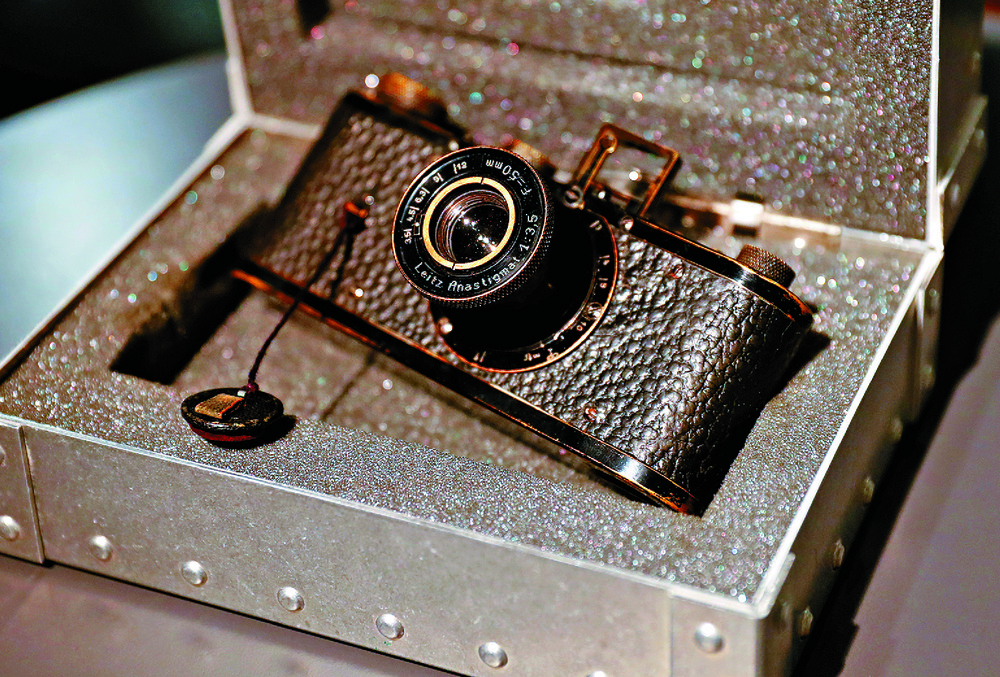
"I have to be very quick and discreet," said the Berlin-based artist who captures reflections of people walking past windows, their contours merging with the shapes behind the glass. Stuenkel's compact Leica is the perfect camera for the job, the 51-year-old said.
ADVERTISEMENT
SCROLL TO CONTINUE WITH CONTENT
The Leica company was founded in 1869 by the entrepreneur Ernst Leitz in the city of Wetzlar in western Germany, originally manufacturing optical lenses and microscopes. But it was not until 1925 that the Leica 1 camera was introduced at the Leipzig Spring Fair.
Leica cameras went on to become the tool of choice for prominent photographers for years to come, including legendary photojournalists Robert Capa and Henri Cartier-Bresson.
Even today, the nifty camera with a red dot still holds its own in a market dominated by Japanese giants such as Sony, Canon and Nikon.
Working with a Leica "makes you a better photographer," said British artist Alan Schaller, who uses a monochrome version of the M11 - a digital camera with manual controls.SLeica cameras are still assembled by hand in a factory in Wetzlar, north of Frankfurt.
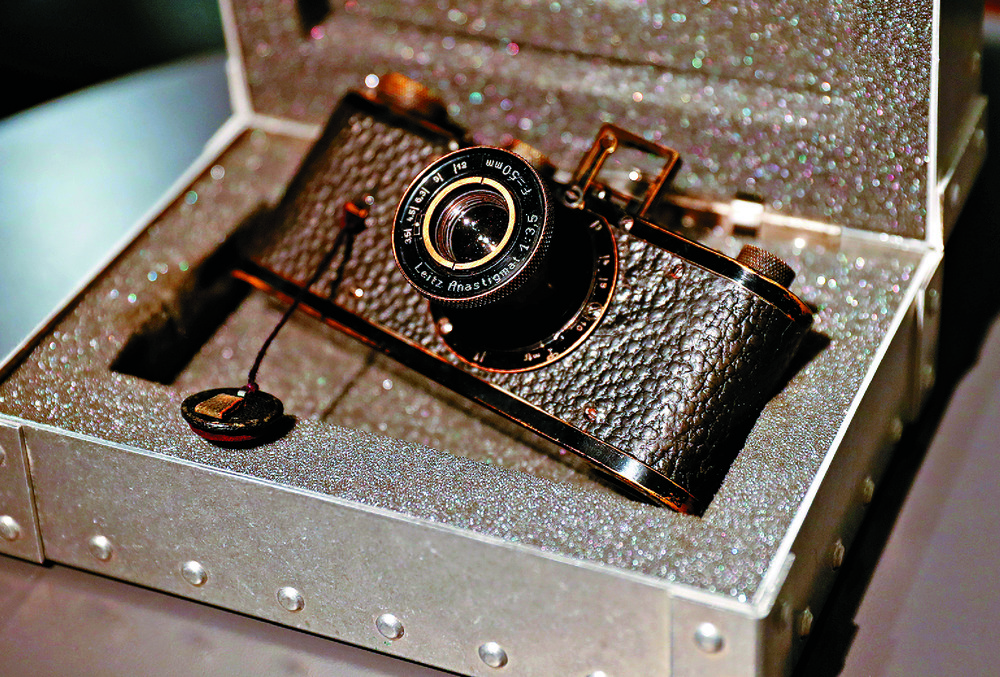
In the dust-free assembly room, 70 workers equipped with precision screwdrivers and anti-static tweezers build the devices by hand from more than 600 parts. AGENCE FRANCE-PRESSEA Leica 0 series camera. reuters