





Read More












Nine-day rainy spell to hit HK with heavy showers and thunderstorms expected
11-06-2026 22:45 HKT


ICC chief hails Hong Kong as dispute resolution hub
08-06-2026 07:20 HKT


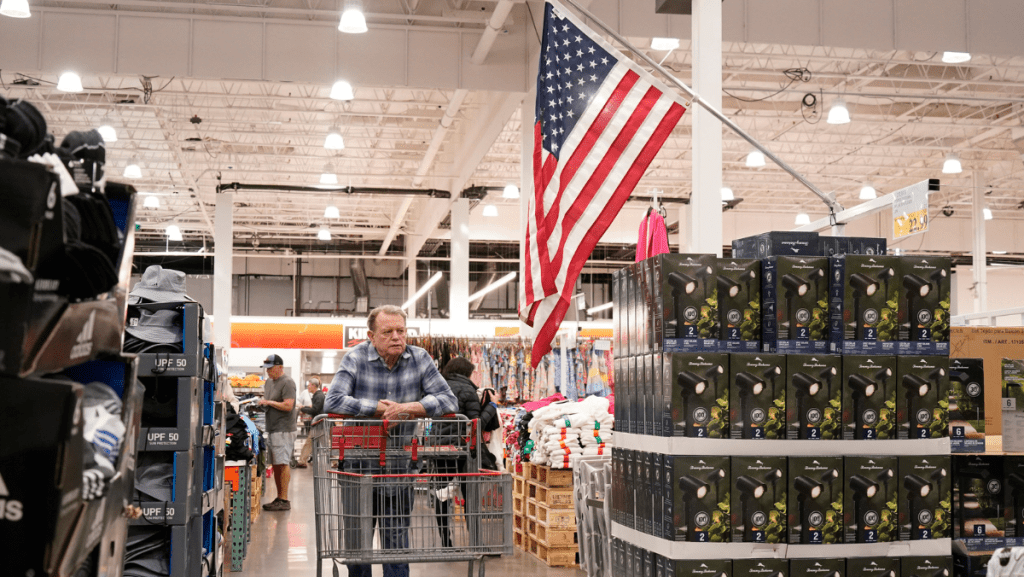
The United States economy is showing signs of a growing divide as a robust recovery in the labor market is offset by the first contraction in the service sector in three years, fueling concerns that Middle East tensions and rising energy costs could push the country toward a recession.
Fresh economic data from the Bureau of Labor Statistics revealed that the U.S. job market experienced a significant bounce back in March, with non-farm payrolls increasing by 178,000 positions.
This figure substantially outperformed market expectations and marked the strongest monthly gain since late 2024. Despite this surge, the underlying details suggest the growth is narrowly focused, as the unemployment rate dipped to 4.3percent while annual wage growth slowed to a three-year low of 3.5 percent.
The primary drivers of this employment jump were localized factors, such as the resolution of strikes in the healthcare industry and improved weather conditions.
The healthcare sector alone accounted for nearly half of the new roles, and while construction and hospitality also saw gains, other industries have been struggling.
Data indicates that when excluding healthcare and social assistance, the rest of the economy actually shed approximately half a million jobs over the past year.
Experts describe the current environment as one defined by both low hiring and low layoffs, making it particularly difficult for job seekers in the finance, business, and technology sectors to find new opportunities.
In stark contrast to the hiring data, the vital service sector has entered a period of contraction.
The S&P Global Services Business Activity Index fell below the critical threshold that separates growth from decline, reaching its lowest point in months.
Consumer services, finance, and technology sectors are all showing signs of fatigue as demand weakens.
Compounding this issue is the sharp rise in energy prices, which has driven up operational costs for businesses.
Many companies are passing these expenses on to consumers, leading to sales prices reaching an eight-month high and suggesting that consumer inflation could soon approach the 4% mark.
These conflicting signals have placed the Federal Reserve in a difficult position, facing a potential scenario of stagnant growth coupled with rising prices.
While the overall private sector activity has nearly stalled and business confidence has hit its lowest level since last autumn, some central bank officials suggest that traditional benchmarks for a healthy labor market may be changing.
San Francisco Fed President Mary Daly recently noted that due to shifting immigration policies and slowing labor force growth, even months with zero or negative job gains might no longer be viewed as a sign of economic weakness.
Rising recession risks and future outlook
Despite the headline-grabbing employment numbers, many economists remain cautious about the future.
Analysts from EY-Parthenon warned that the labor market remains fragile and may effectively freeze throughout 2026, characterized by selective hiring and limited wage increases.
With the ongoing conflict in the Middle East posing a continuous threat to energy stability, some institutions have now raised the estimated probability of a U.S. economic recession to 40 percent, suggesting that downside risks are currently dominating the financial landscape.