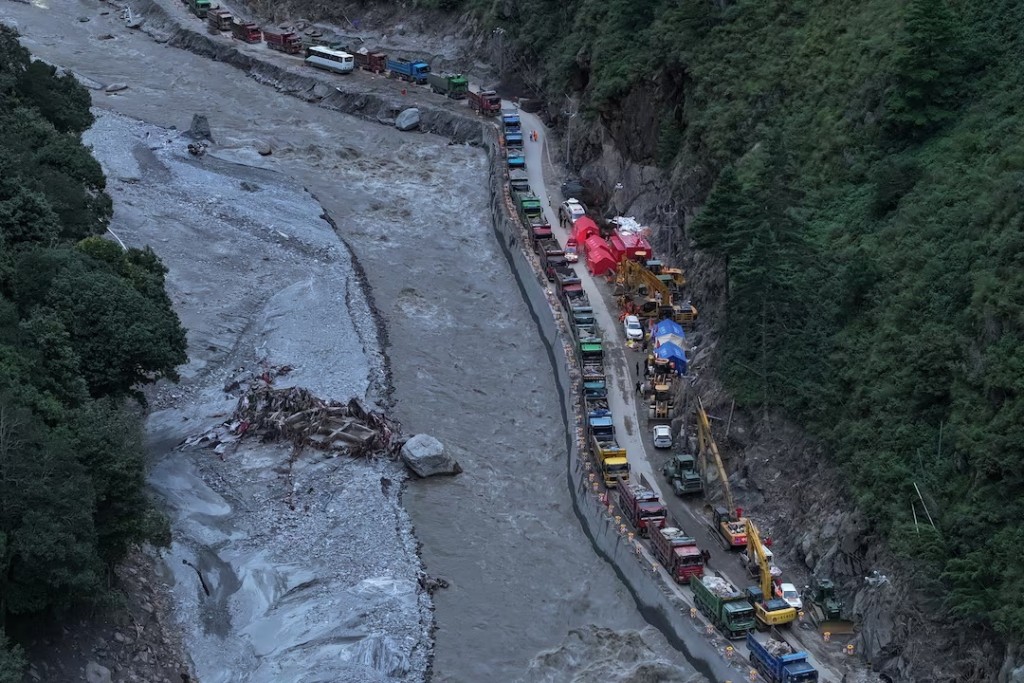
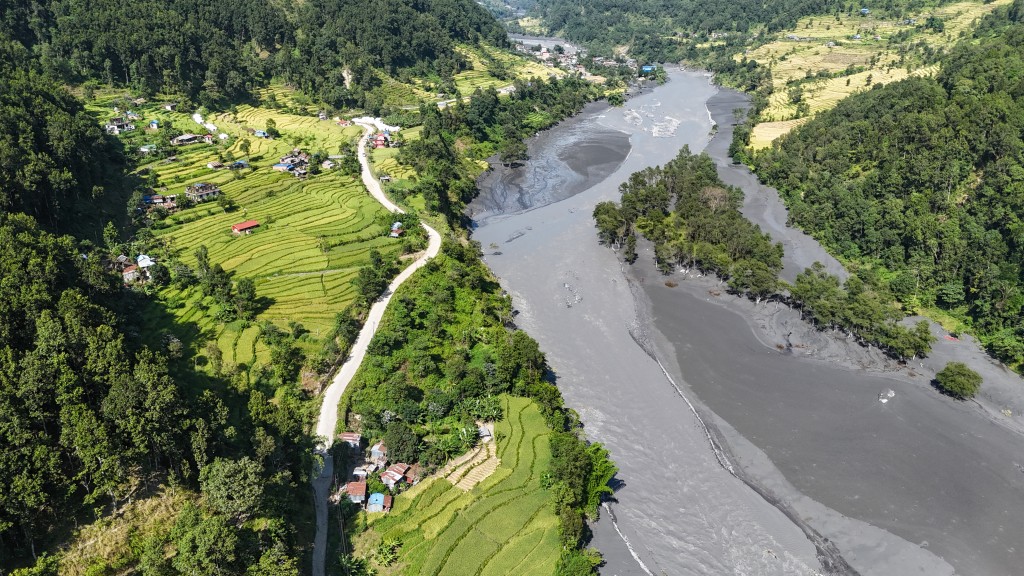
Hopes of finding more survivors among the thousands still missing in Nepal were fading, authorities said on Wednesday, a week after a glacier collapse in the Himalayas unleashed flash floods that devastated the mountainous nation.
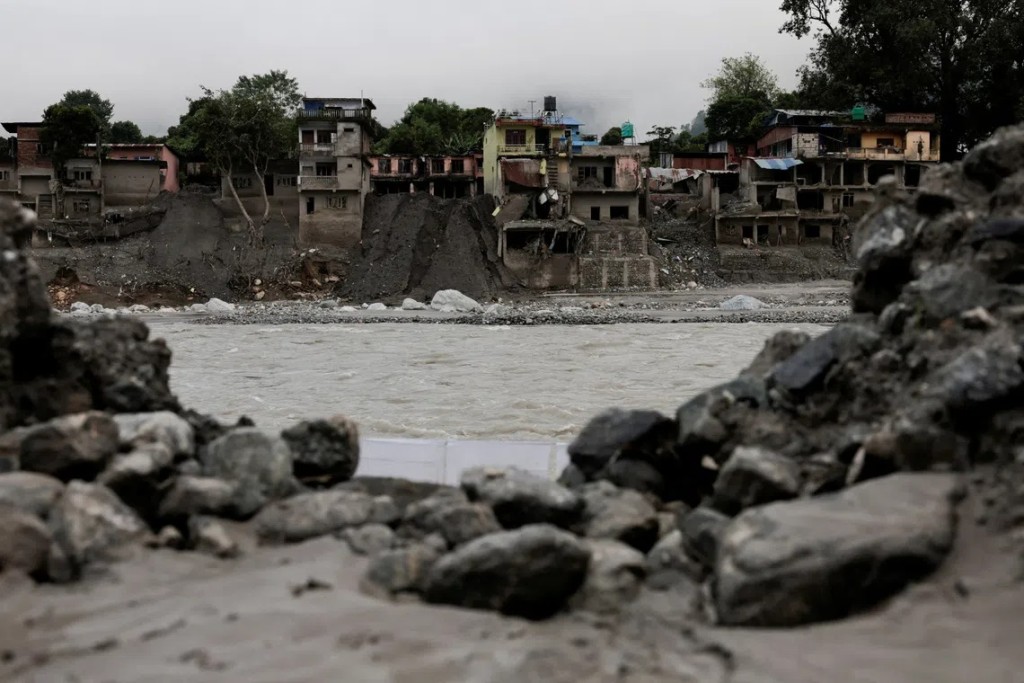
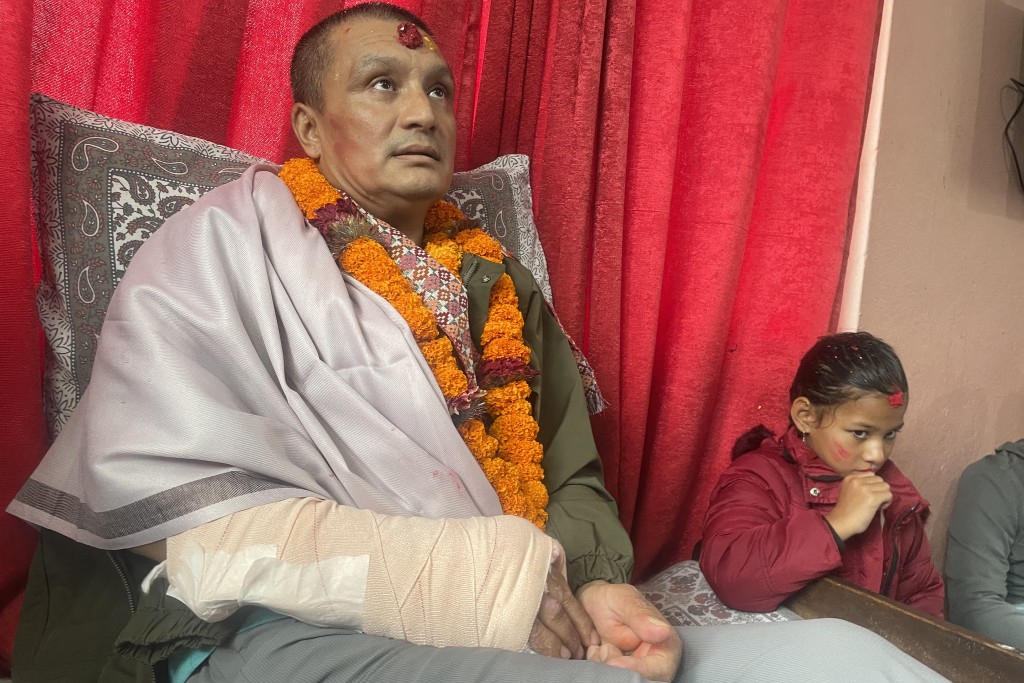
At least 1,050 people have been killed and nearly 4,000 remain unaccounted for, with officials fearing many are buried under debris left by the floods that tore through towns and valleys near the Chinese border.
Across the border in Tibet, China's official toll has held steady since Sunday at 16 dead and 546 missing.
"The hope of finding survivors is decreasing," Phanindra Paudel, a senior official at the government’s National Emergency Operation Center (NEOC), said. "We pray and are hopeful. Hope is hope!"
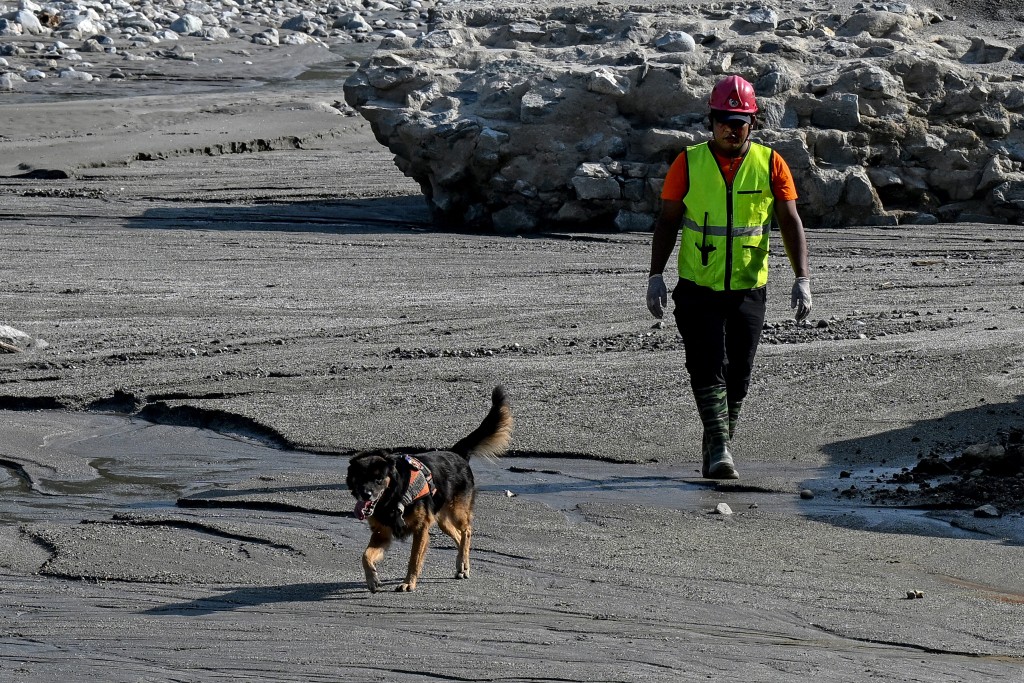
Rescuers are trying to find survivors believed to be trapped inside the tunnels of several hydroelectric plants, whose powerhouses have spaces and rooms for people to stay, army spokesperson Raja Ram Basnet said.
Authorities said 279 people had been rescued from the ruins of hydropower projects but at least 639 more were still missing, some of whom are believed to be trapped in tunnels.
FOCUS SHIFTING TO REHABILITATION
"Looking at the nature of the disaster and the area which has been hit by the flood, as days go by there are less chances of human survivors," Binoj Basnet, a retired senior army general who oversaw the search and rescue operation during the 2015 earthquake in which about 9,000 people were killed, said.
Prime Minister Balendra Shah said the focus would shift from search, rescue and relief operations towards rehabilitation and reconstruction.
"The government is now focusing on rehabilitation while working to protect the lives of people in the affected areas and providing necessary medical treatment and psychological counselling," Shah said in a late-night post on social media on Tuesday.
The disaster left at least 2.2 million tons of debris, according to a preliminary estimate by the United Nations Development Programme (UNDP), including parts of buildings, rocks, and sediment, the equivalent of six Empire State buildings.
"The amount of debris shows the scale of the destruction and the challenge communities face as they clear homes, roads and public spaces and begin to rebuild," it said.
PUBLIC HEALTH RISK
U.N. spokesperson Stephane Dujarric said aid agencies were "very concerned" about the growing public health risk from overcrowded shelters, contaminated water and damaged health facilities, particularly for women and children during the monsoon season.
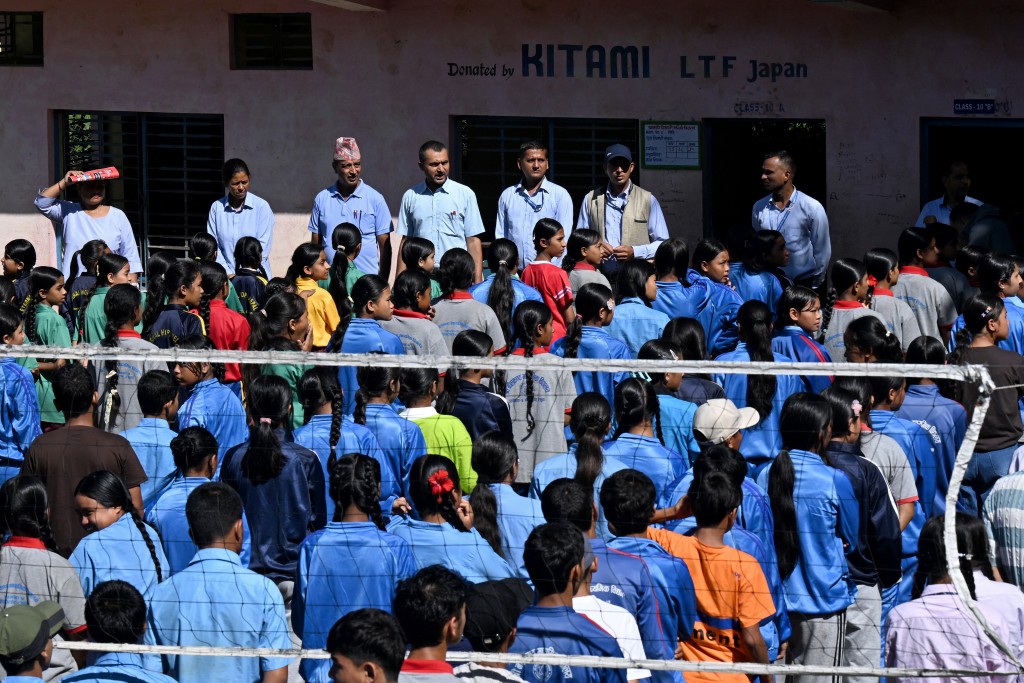
About 3,900 people remain unaccounted for and nearly 3,500 people are living in 27 displacement sites across the hardest-hit districts of Nuwakot and Rasuwa, Dujarric told a regular U.N. press briefing on Tuesday.
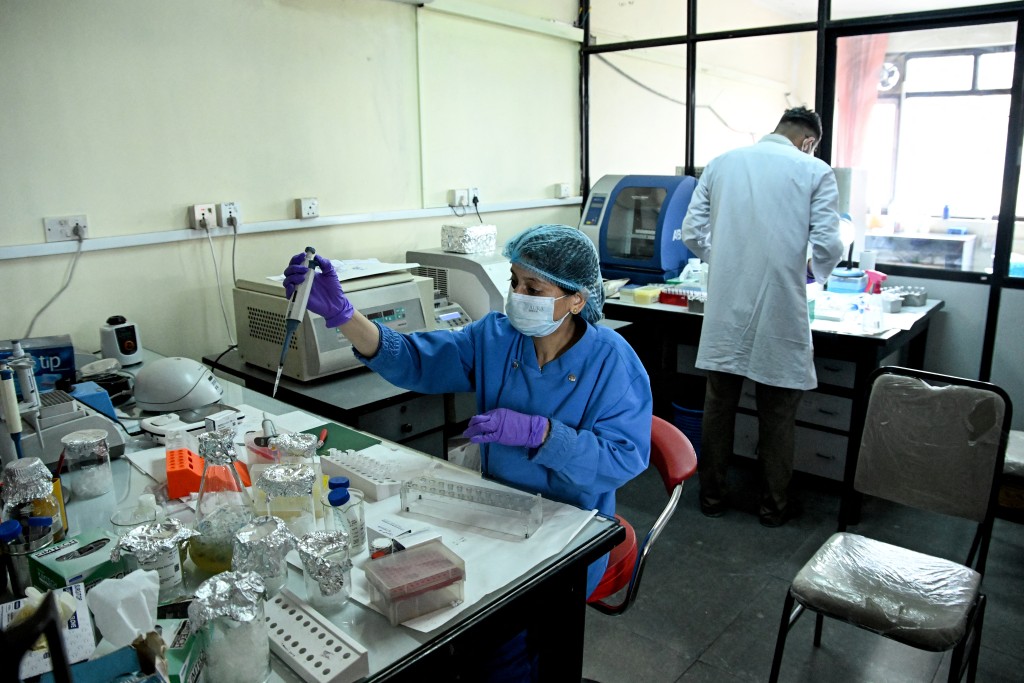
Shah said his government had stepped up surveillance and response measures to prevent possible outbreaks of disease in flood-affected areas.
CLIMATE CHANGE CATALYST
The Himalayan region faces severe risks from future glacial floods, a senior U.N. official said on Tuesday, a sentiment that Shah echoed in his post.
"Questions about why the ice and rock collapsed and how such a large volume of water was generated must be answered by the global community," Shah said.
China has linked the flood to climate change as well.
Reuters