Read More




Kumamoto quake death toll rises to 28
11 hours ago

Trump says US to hit Iran hard
14 hours ago

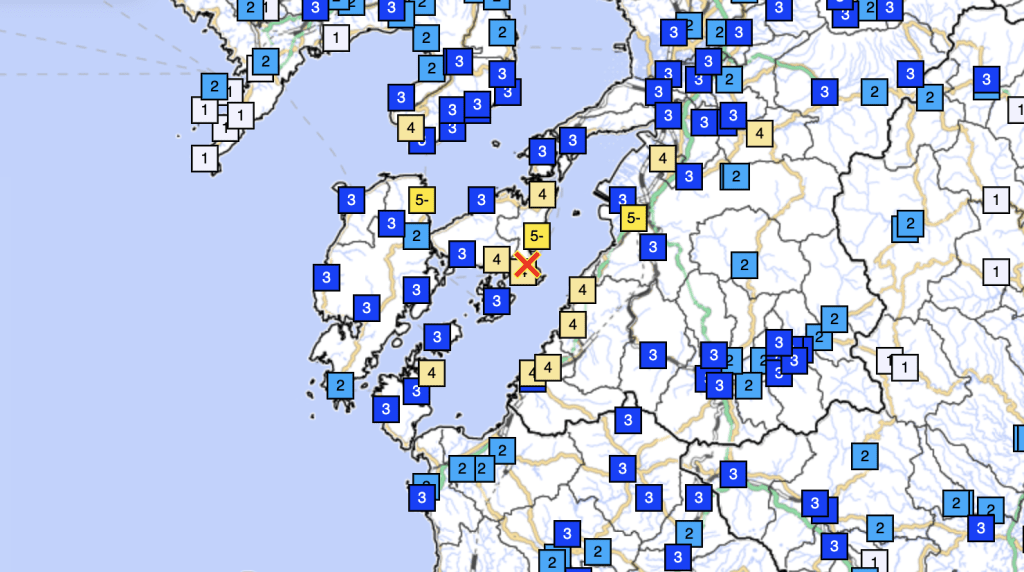
5.8-magnitude earthquake hits southwest Japan
29-07-2026 22:11 HKT



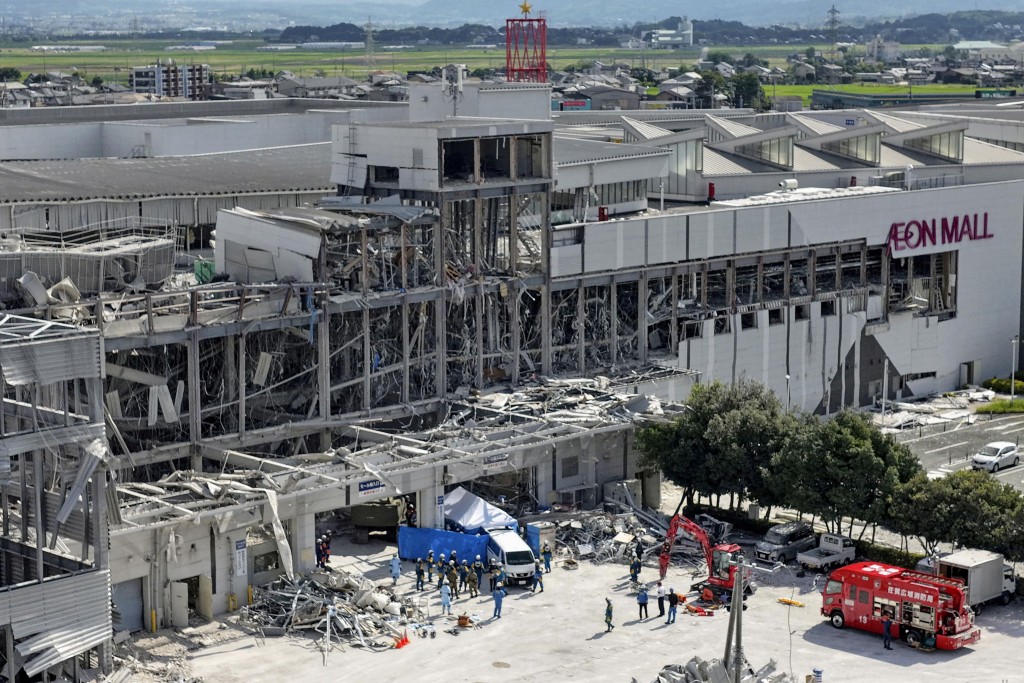
The massive explosion that killed at least six people at the Aeon Mall in Kumamoto, Japan, was likely caused by a rare and highly destructive supersonic detonation of leaked gas triggered by a magnitude 7.1 earthquake, according to a Japanese fire expert.
The blast occurred at approximately 6:00 p.m. on July 28, roughly an hour after the powerful earthquake struck the region.
Aeon Mall management confirmed that staff members successfully evacuated about 200 customers to the outdoor parking lot. However, several employees reportedly returned inside to inspect the premises or assist with the cleanup, leaving them trapped in the rubble when the building exploded.
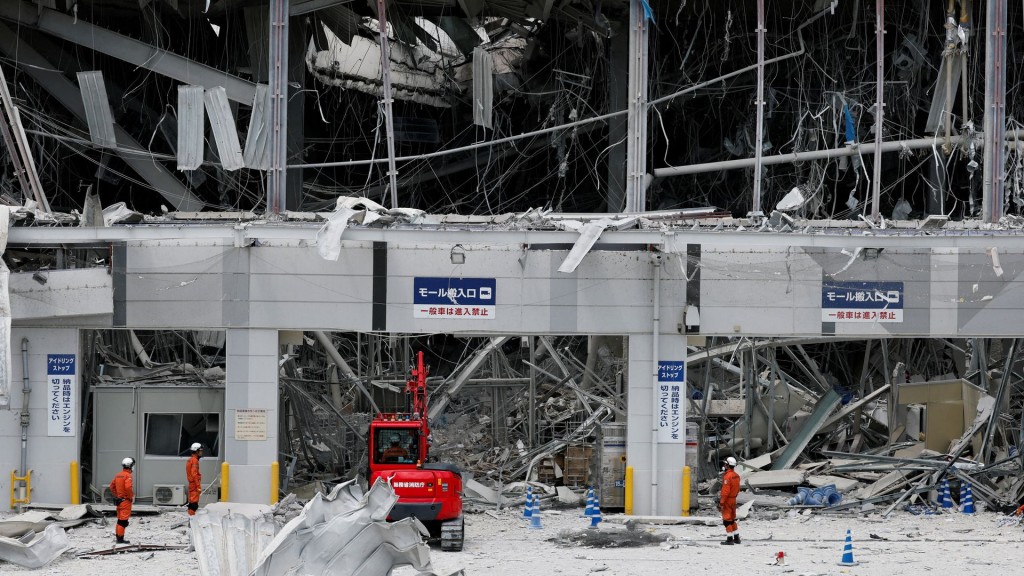
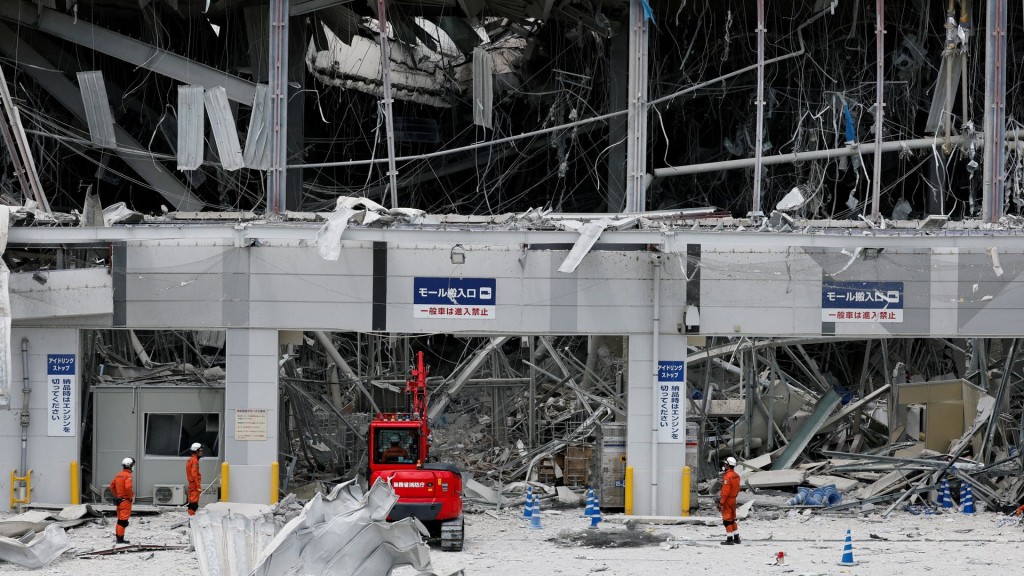
Aerial footage and interior photos released by local police and fire departments showed catastrophic damage to the mall’s south side. Large sections of the roof were blown off, and exterior walls collapsed along a stretch of dozens of meters, leaving shattered ceilings, exposed wiring, and debris scattered across the site.
Yasuo Sato, the former Hyper Rescue Chief of the Tokyo Fire Department who helped coordinate emergency responses during the 2011 Tohoku earthquake and tsunami, described the blast as a "detonation"—a rare, incredibly powerful form of explosion that propagates through supersonic shockwaves.
Drawing a comparison to the hydrogen explosions that devastated the Fukushima Daiichi Nuclear Power Plant in 2011, Sato noted that the stripped exterior walls and fractured columns at the mall closely match damage patterns caused by such detonations.
Regarding the cause, Sato pointed to a gas leak as the most likely trigger. The violent tremors from the earthquake could have ruptured shared supply lines, releasing massive amounts of the high-power propane used by food-court restaurants.
Although commercial gas is typically mixed with odorants to make leaks noticeable, detection may have been delayed due to post-earthquake chaos and the mall's massive footprint. Trapped inside a tightly sealed, air-conditioned environment, the gas likely built up rapidly within 30 minutes of the customer evacuation before eventually finding an ignition source.
Police officers, firefighters, and members of the Japan Self-Defense Forces are currently clearing the site and investigating the incident.