Japan's National Diet passed an amendment in mid-July to adopt male, paternal-line descendants of the 11 former Imperial Family branches into the royal bloodline, granting their male offspring the right to succeed to the throne.
Proposed by Prime Minister Sanae Takaichi, the new regulations elevate the status of such distant members of the 11 Imperial Family branches which had, until recently, been demoted to commoner status for nearly 80 years.
The amendment follows concerns regarding the shortage of male heirs, according to East Week magazine, a sister publication of The Standard. While the Imperial Family currently consists of 16 members, only three are eligible to inherit the throne: the Emperor's 60-year-old younger brother, Fumihito; Fumihito's 19-year-old son, Hisahito; and the Emperor's uncle, Masahito, who is in his 90s.
Before their adoption into the royal bloodline, most members of the collateral branches had been practically no different from ordinary citizens. The plan therefore risks causing division in the Imperial Family.
Asahiro Kuni, an 81-year-old descendant of the Kuninomiya collateral branch, criticized the revision as unrealistic and difficult for the public to accept. He said it is "truly hard to imagine" someone without a royal upbringing suddenly becoming a member of the royal lineage.
Polls show that 60 percent of Japanese citizens believe it lacks public support, and an equivalent amount oppose the continued ban on a female emperor. Over 20,000 staged a protest in front of the National Diet Building in Tokyo, with some bashing how their "female prime minister is actually blocking a female emperor from ascending the throne."
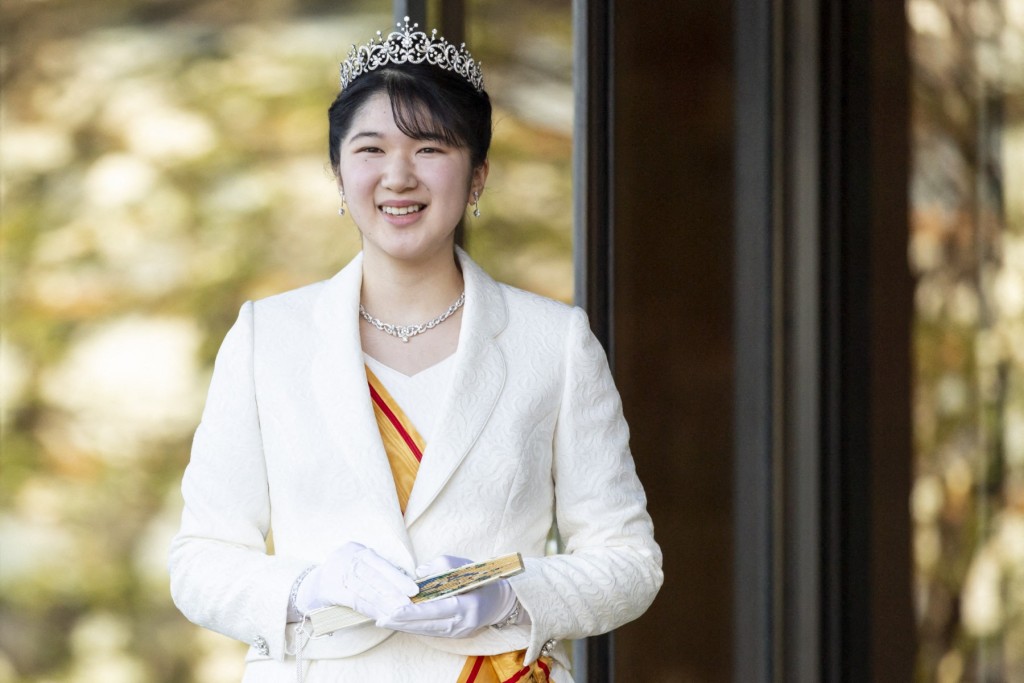
Critics question whether Takaichi, in an effort to assert her authority as prime minister by influencing imperial succession, has gone so far as to defy public opinion and squelch the chance for Emperor Naruhito's only daughter, Princess Aiko, to become Empress. Following the amendment, Takaichi's cabinet approval rating plummeted from over 50 percent in June to 41 percent.
Long before Takaichi assumed the office of prime minister, she had already made clear her firm opposition to female imperial family members ascending to the throne, by reason of safeguarding the "purity" of the imperial bloodline. But Japanese history had seen eight female emperors. This tradition was then abolished in 1889 during the Meiji Restoration, when the government at that time believed husbands of empresses would interfere in politics.
To appease the public, the Japanese government revised the Imperial House Law and allowed female members of the Imperial Family to retain their imperial status after marrying commoners. The biggest beneficiary of this change is 31-year-old Kako, the second daughter of Prince Akishino. However, some believed her imperial status and duties have left her physically and mentally exhausted.