Japan is establishing a centralized intelligence agency for the first time since World War II, seeking advice from Western allies including the US, Australia and Germany on technology, staffing and priorities, officials said.
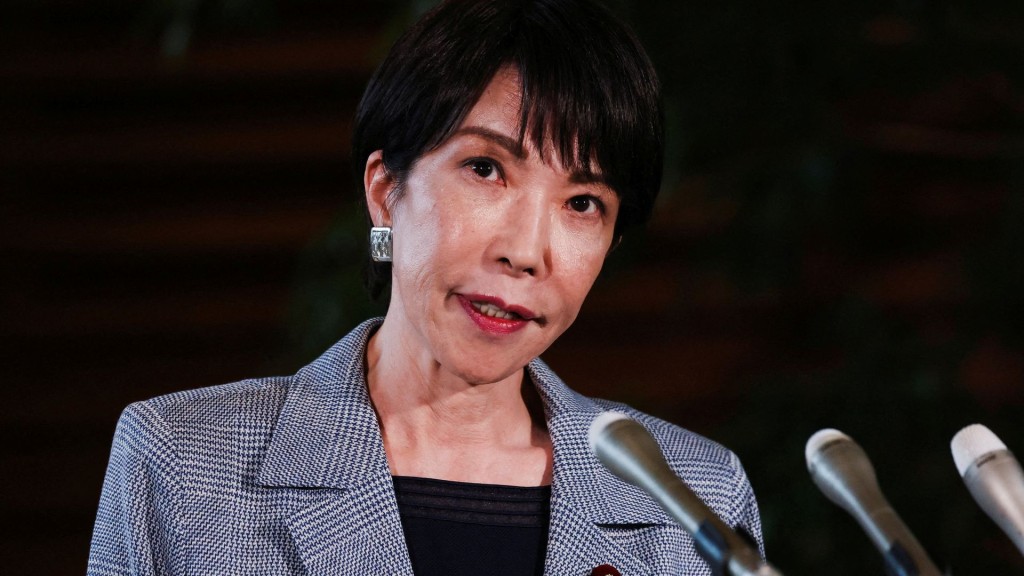
Prime Minister Sanae Takaichi has made the agency a pillar of her efforts to shed post-war restrictions on defence and security, as Japan faces multiplying threats from China, Russia and North Korea.
Japan's intelligence system has long been fragmented, with defence officials, diplomats and police collecting information without sharing across departments, leaving the country vulnerable to espionage and foreign interference.
The new agency, with a budget of about US$407 million, is expected to be operational by December with an initial staff of hundreds, including software engineers, cybersecurity analysts and overseas liaisons.
Australia's ambassador to Japan, Andrew Shearer, said Japanese officials feel the country's intelligence capabilities have "been frozen in time for decades." The US has offered input on cyberdefence and countering industrial espionage, while Germany's BND intelligence chief recently visited Tokyo to discuss intelligence sharing.
The agency will coordinate the work of about 33,000 individuals across police, defence and foreign affairs ministries. A separate intelligence council, chaired by the prime minister, will serve as a central command centre.
The plan has drawn criticism from China and from some Japanese lawmakers who say the agency lacks oversight and runs counter to pacifist ideals, recalling the excesses of Imperial Japan's wartime Tokko police force.
Takaichi is building on the vision of her mentor, former Prime Minister Shinzo Abe, who sought to reverse WWII-era restrictions and make Japan a "normal" nation capable of protecting itself.