






Read More


China's foreign minister urges border calm in talks with Myanmar
05-06-2026 15:49 HKT
Pakistan's blossom season brings calm in a troubled world
01-04-2026 19:12 HKT








Taxi stuck sideways in narrow Central alley
24-08-2026 15:55 HKT
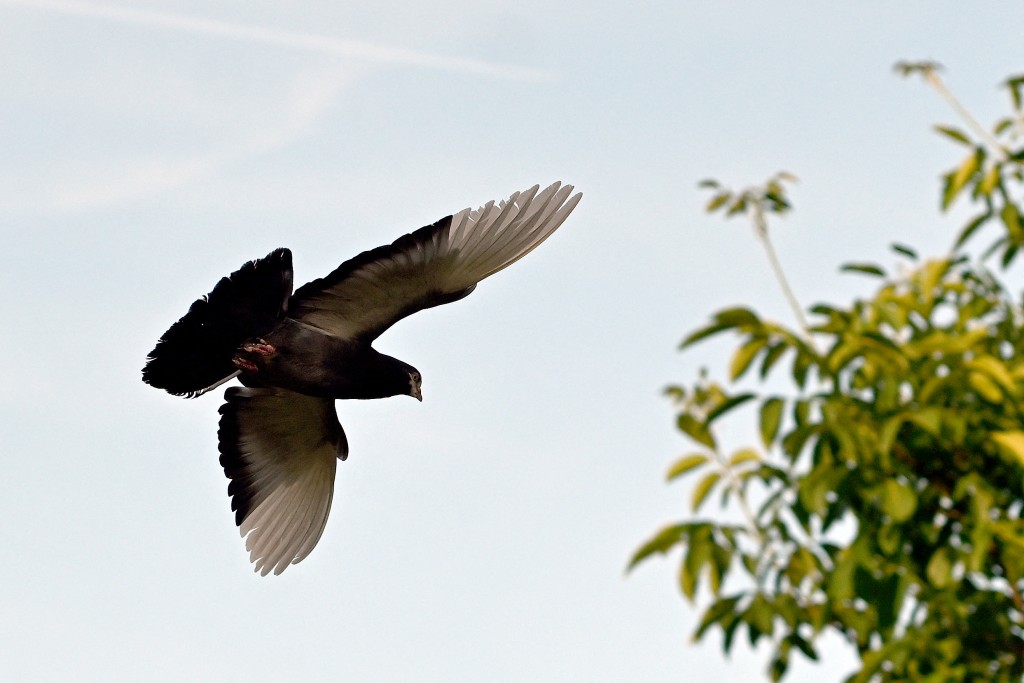
Tucked between rows of apartment blocks in North Macedonia's capital, Skopje, a flock of striking speckled pigeons burst from a loft for their morning exercise.
Ahmet Ogun and Bonco Lazarevski watch their flock of around 80 eye-catching birds dip and dive before settling on the plaza in the shade of the buildings.
"The pigeons give us peace of mind, tranquillity that relaxes us in this jungle of buildings and cars," 76-year-old former steel mill worker Lazarevski told AFP.
As traffic and pedestrians hustle past the plaza on their way to work, Ogun scattered feed for the birds.
"This is a way to calm my nerves," said the 67-year-old jeweller.
Among his pampered sports pigeons is the Macedonian Spinner, which is known for its aerial acrobatics.
"I see them as my children," he said, admiring the birds.
Pigeon fancying has a long tradition in the Balkan nation dating back centuries and today's keepers often inherit the hobby down generations.
Famed for their ability to travel long distances and sharp sense of orientation, the birds are also well-adapted to the blistering Balkan summer, according to their owners.
"They just need more water and frequent opening of the cages," Ogun explained.
But their appeal also comes from connecting with other hobbyists.
Many recount phone calls from other keepers in separate neighbourhoods or even distant towns to return a wayward bird that has arrived at their coop.
Although the popularity of pigeon fancying has faded in recent years, the birds' neighbours agree that the men's hobby brings the community together.
"This is our 'relaxation’, our diazepam," said civil servant Dejan Gjosev, 52, who lives in the buildings nearby, as he came to chat with the men.
"People from different neighbourhoods come, we gather, talk, share," he said.
AFP