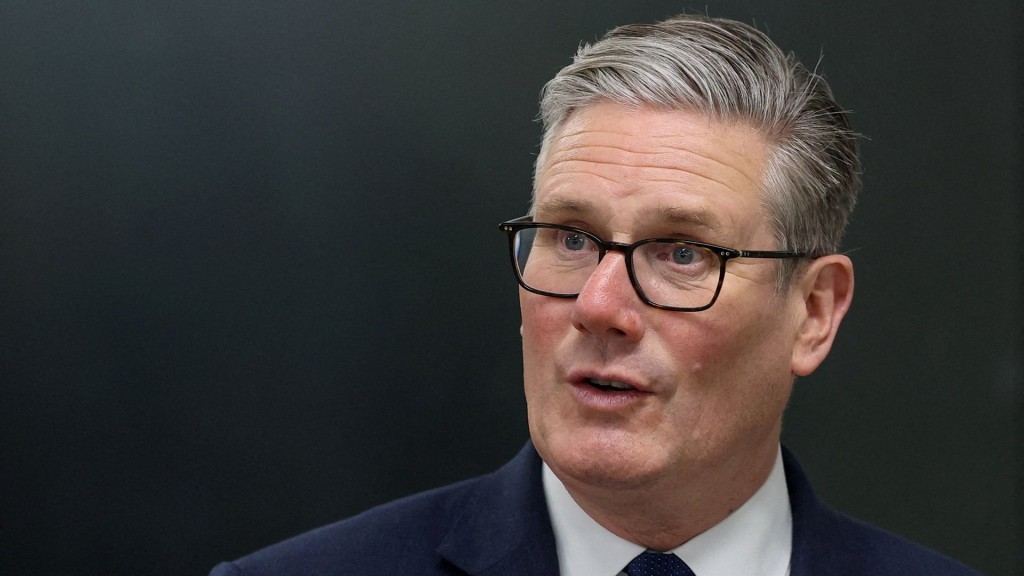
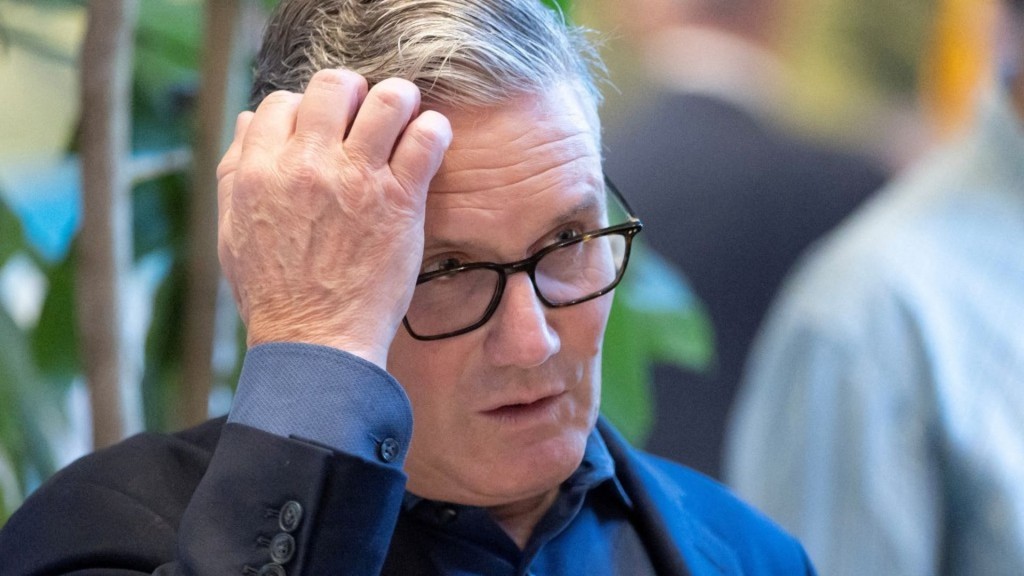
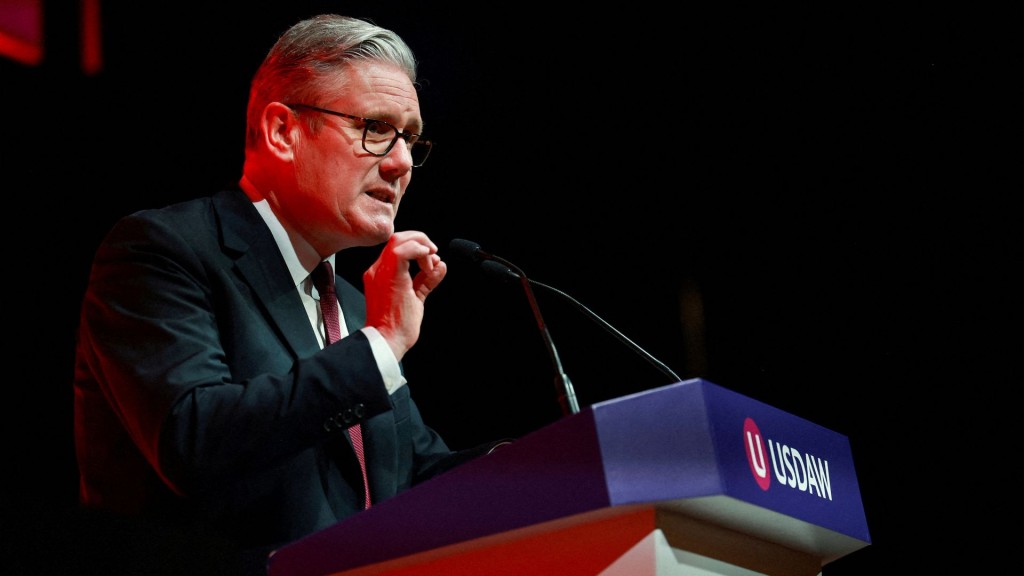
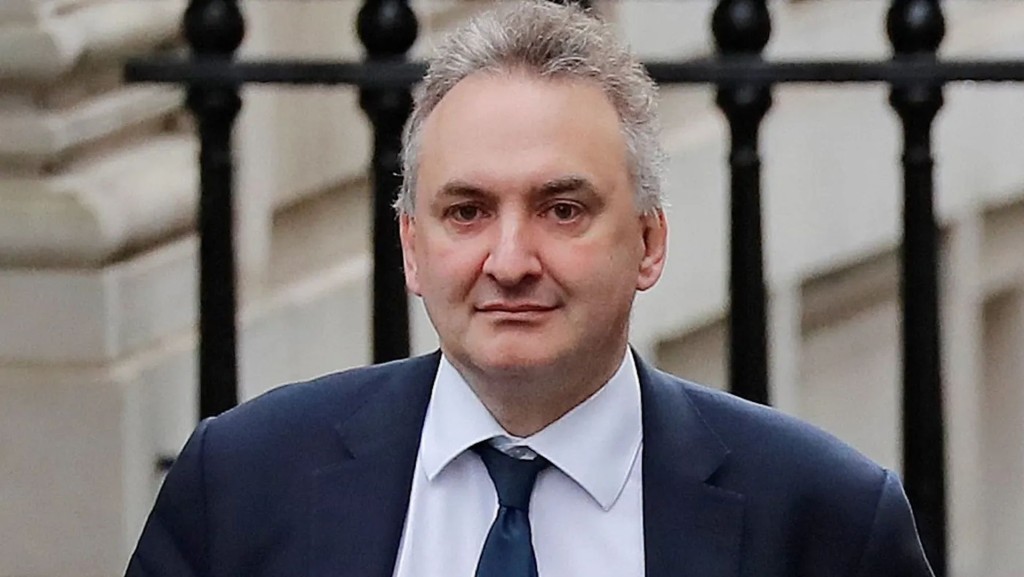
UK Prime Minister Keir Starmer defied calls to resign on Tuesday, telling ministers he would get on with governing despite a "destabilising" 48 hours of growing calls to set out a timetable for his departure after a drubbing in local elections.
At a cabinet meeting, Starmer, in the top job for less than two years, repeated that, while he took responsibility for one of his Labour Party's worst election defeats, there had been no official move to trigger a leadership contest. Several loyal ministers expressed their support for him.
It was the latest pledge from Starmer to press on with a premiership dogged by scandal and policy U-turns since he won a large majority at a national election in 2024, and has left the leader and Labour rebels in a stalemate.
Support in the wider Labour Party has also started to ebb away. Jess Phillips, a well-known Labour lawmaker and women's rights campaigner, became one of four junior ministers to resign on Tuesday, joining more than 80 lawmakers who have publicly called on Starmer to set a timetable for leaving office.
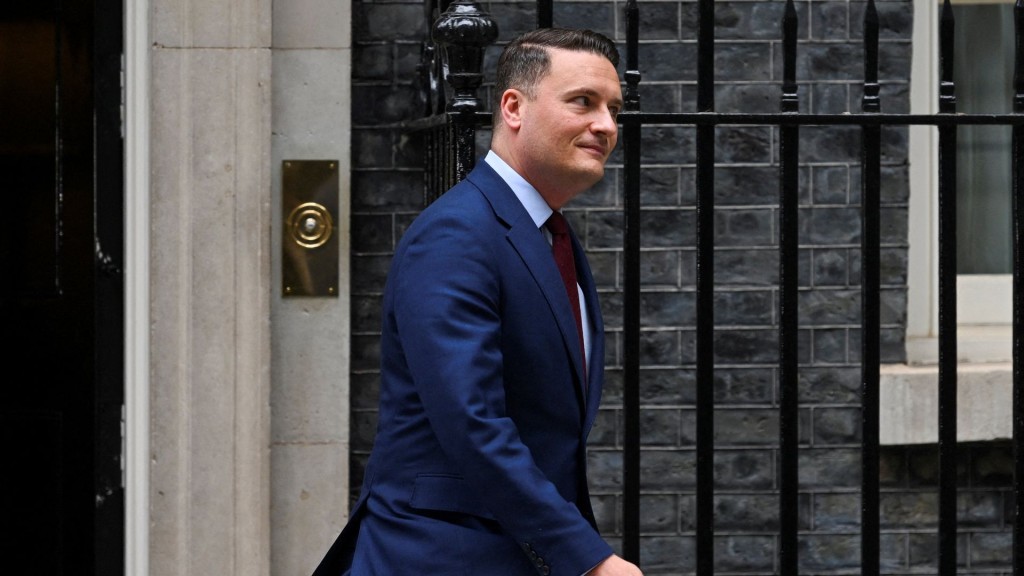
All eyes were on a clutch of senior party figures, such as health minister Wes Streeting, who has made little secret of his ambition to become prime minister one day, to see whether they would move to challenge Starmer directly.
BORROWING COSTS RISE
In a nod to a surge in borrowing costs to their highest in nearly 30 years over fears of another bout of political instability in Britain, Starmer said the "past 48 hours have been destabilising for government and that has a real economic cost for our country and for families".
"The Labour Party has a process for challenging a leader and that has not been triggered," Starmer told his cabinet, according to his Downing Street office.
"The country expects us to get on with governing. That is what I am doing and what we must do as a cabinet."
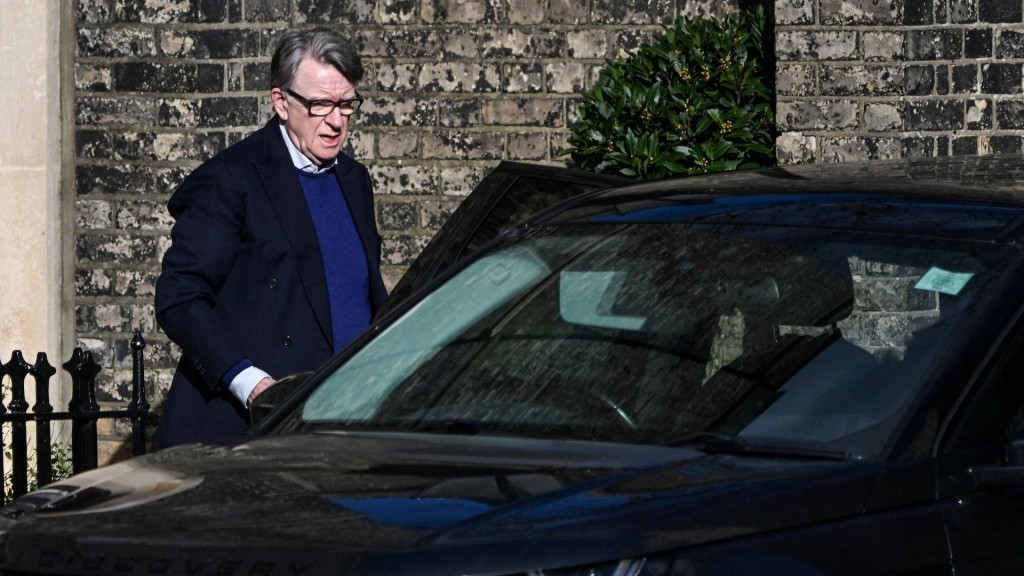
Leaving Downing Street, several senior ministers offered Starmer their support, with pensions minister Pat McFadden telling reporters that no one had challenged the prime minister at cabinet.
Speaking to reporters outside Starmer's office later on Tuesday, Deputy Prime Minister David Lammy said the British leader had his full support.
"It's been 24 hours now and nobody has come forward to put themselves forward in the processes that exist in the party," he said. "No one seems to have the names to stand up against Keir Starmer, and for those who are suggesting that he should stand down, they should say which candidate would be better."
Others who are thought to want Starmer to go, including Streeting and interior minister Shabana Mahmood, either left without comment or did not leave via Downing Street, where reporters were gathered.
A source familiar with the matter said Streeting was expected to meet Starmer on Wednesday morning but added he would make no public comment afterwards that could distract from the King's Speech, which sets out the government's legislative agenda.
In her resignation statement, Phillips, a junior minister not in the cabinet, said Starmer's timid style and incremental approach would not deliver the change the country needed, adding her name to those who want a new leader installed in an orderly manner.
MUCH-PROMISED STABILITY EVAPORATES
It was a long way from when Starmer first became Labour leader in 2020, inheriting the party after its worst national election showing since 1935 under his predecessor, veteran left-winger Jeremy Corbyn.
He was then seen as a safe pair of hands able to drag Labour more towards the centre ground.
At the 2024 election, he won one of the largest majorities in modern British history for Labour with an offer of stability after years of chaos under the Conservatives, who oversaw five prime ministers in eight years.
Now, he is fighting for his political survival.
Bond markets have been sensitive to any suggestion that Starmer and his finance minister, Rachel Reeves, could go.
Investors are worried that a more left-wing replacement would push for more spending at a time when Britain's finances are already stretched, with borrowing costs the highest among the Group of Seven advanced economies.
HARD TO REMOVE LABOUR PM
"I can't see how he gets through the day," one Labour lawmaker told Reuters on the condition of anonymity.
But it is generally harder for Labour lawmakers to remove a prime minister than the opposition Conservative Party. While dozens of Labour lawmakers might have expressed their dissatisfaction with Starmer, 81 of them need to rally behind one single candidate to trigger a contest.
Of those who have called for him to go, about half of them are on the left of the party, while just over a quarter are more centrist, according to a Reuters tally. That would suggest there is no one candidate who commands the numbers yet.
Jenny Chapman, a junior minister in the Foreign Office, said most of Labour's 403 lawmakers "don't want the chaos".
Removing Starmer now - or forcing him to set a departure date - would likely favour Streeting, who is in a position to move first. His supporters say Streeting, who hails from the right of the party, would be a better communicator than Starmer.
The Times newspaper reported that energy minister Ed Miliband would be prepared to run for the Labour Party leadership if Streeting moved to trigger an imminent contest. The report cited a source close to Miliband saying the claim was "categorically untrue."
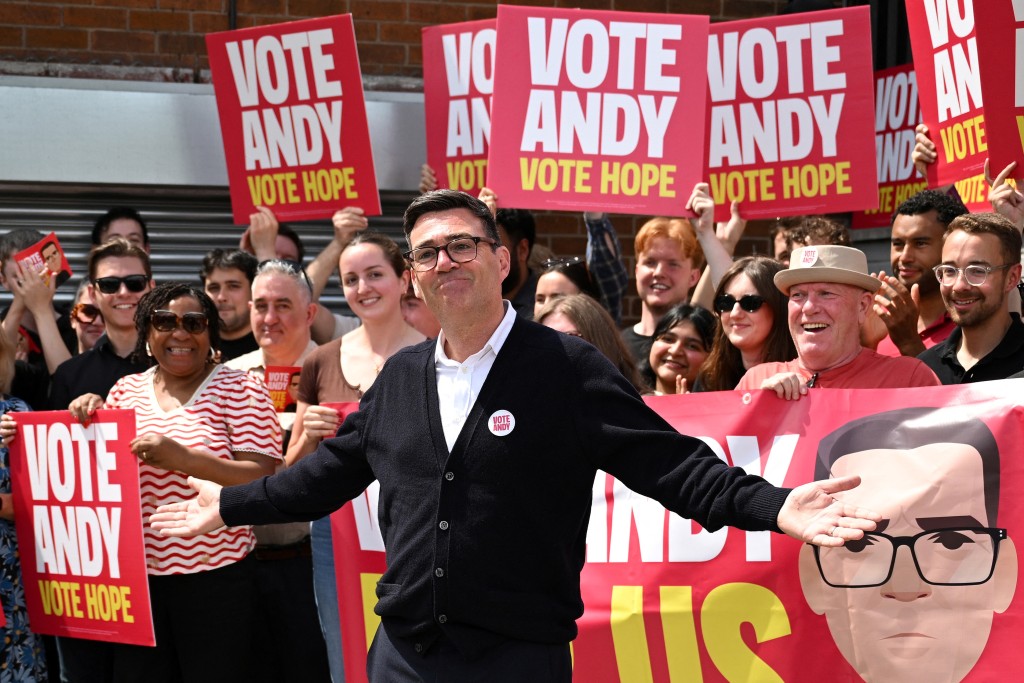
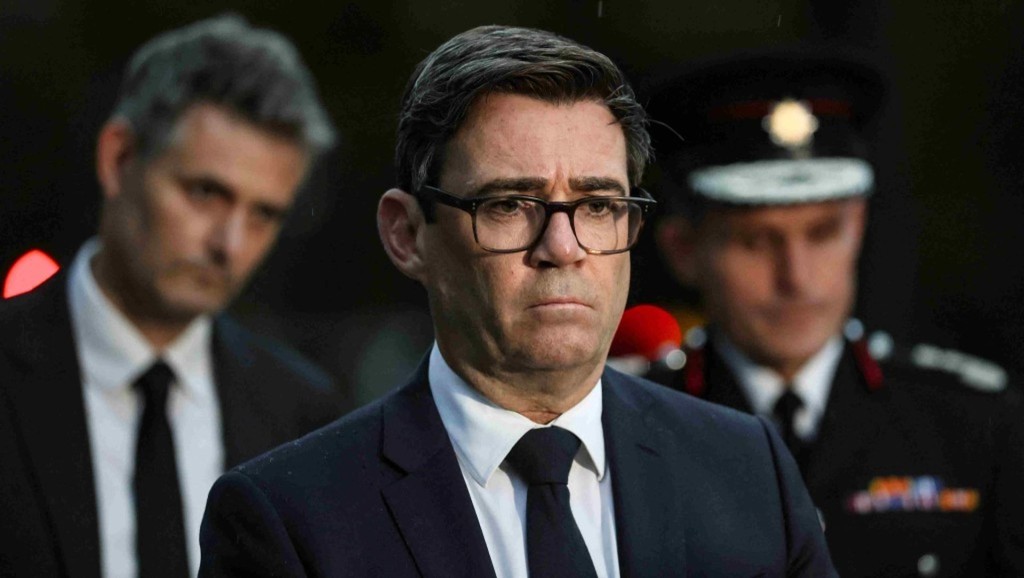
Other possible challengers, Greater Manchester Mayor Andy Burnham and former Deputy Prime Minister Angela Rayner, both seen as favourites of the moderate left of the party, face obstacles to running.
Burnham does not have the seat in parliament he needs to mount a challenge and Rayner has yet to fully resolve the tax issues that prompted her resignation from office last year.
Reuters