Indonesia faces an unprecedented financial crisis in developing its new capital, Nusantara, according to East Week magazine, a sister publication of The Standard. Now in its second phase of construction, the city is plagued by waste and intermittent water supply.
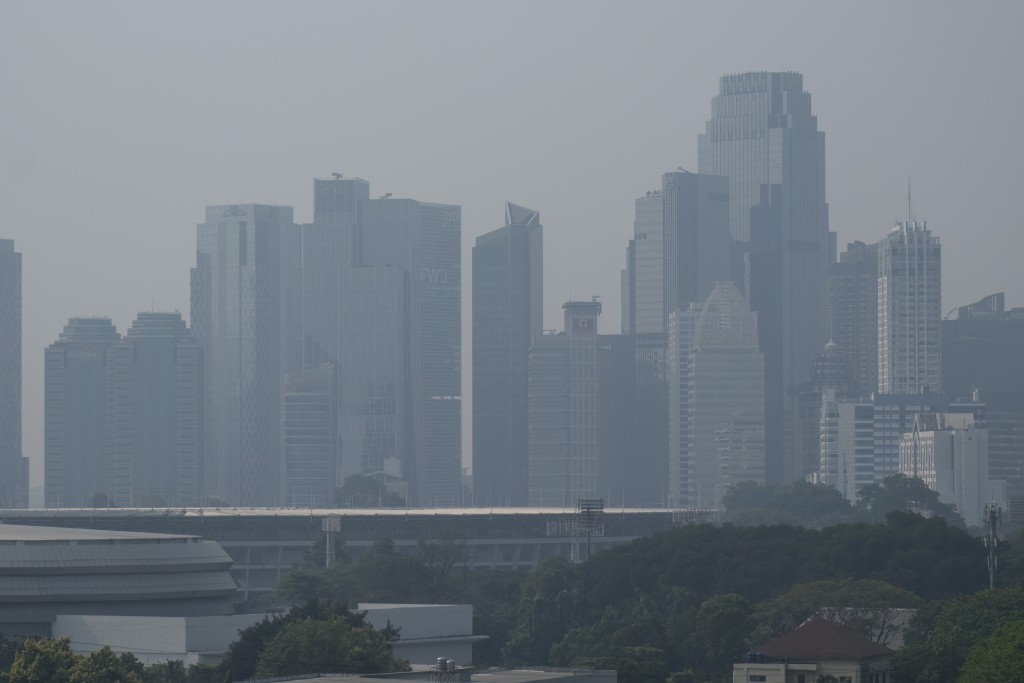
Upon completion, this city on Borneo island is to replace Jakarta – which is sinking 10 to 25 centimeters per year due to overpopulation and excessive groundwater extraction – as capital.
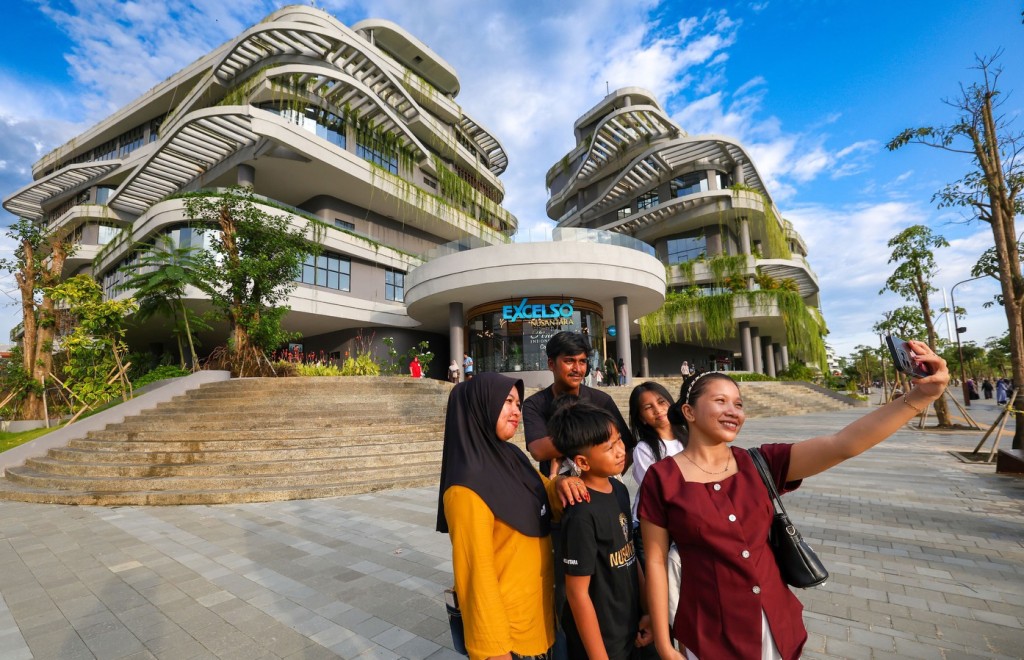
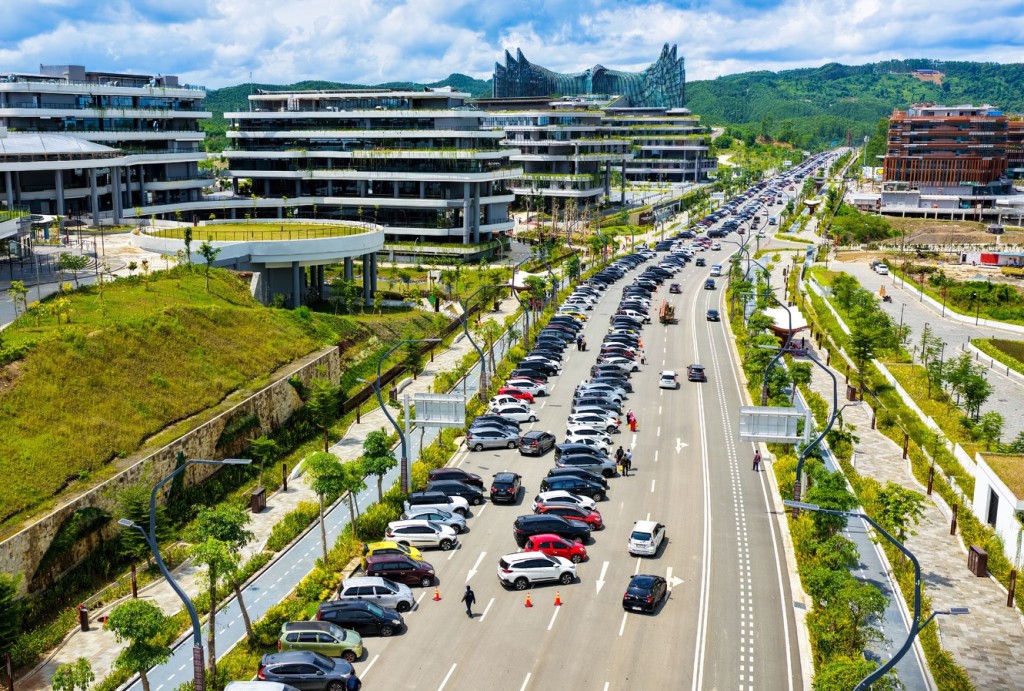
During the Eid al-Fitr holiday in March, 350,000 flocked to the city only to find a lack of parking spaces. With limited attractions there, visitors had not much to do other than snap photos for social media. Photography is only allowed in front of the Garuda Palace, while many other areas remain construction sites.
On the recent Eid al-Fitr holiday, 350,000 flocked to the city only to find a lack of parking spaces.
Those who are stationed to work in Nusantara find the capital short on recreational and public amenities. They would rather take a two-hour ride to Balikpapan or a flight to Jakarta during weekends, turning Nusantara into a ghost town.
Since 2022, the government has forced 12,000 civil servants to the city in an attempt to boost Nusantara's popularity. As of this March, only about 2,000 moved in. Many were deterred by the absence of large shopping malls, cinemas, and karaoke bars. When night falls, civil servants find themselves at home facing unstable water and electricity supply, describing themselves as living on a “modern desert island with a roof.”
Initially planned as a green megacity, the government claimed to invest HK$250 billion into Nusantara and complete it by August 2024. Due to Covid setbacks, the rushed project neglected checkups for basic public utility systems.
Last year, President Prabowo Subianto announced that Nusantara would not truly function as a "political capital" until 2028. From foreign investor withdrawal to a HK$200 billion free school lunch scheme, the capital budget has run dry. On top of that, Indonesia's fiscal deficit continues to move closer to the legally mandated 3 percent cap in May. The country decides to prioritize the construction of government offices, reducing Nusantara from its dream as a futuristic supercity to a mere government administrative hub.
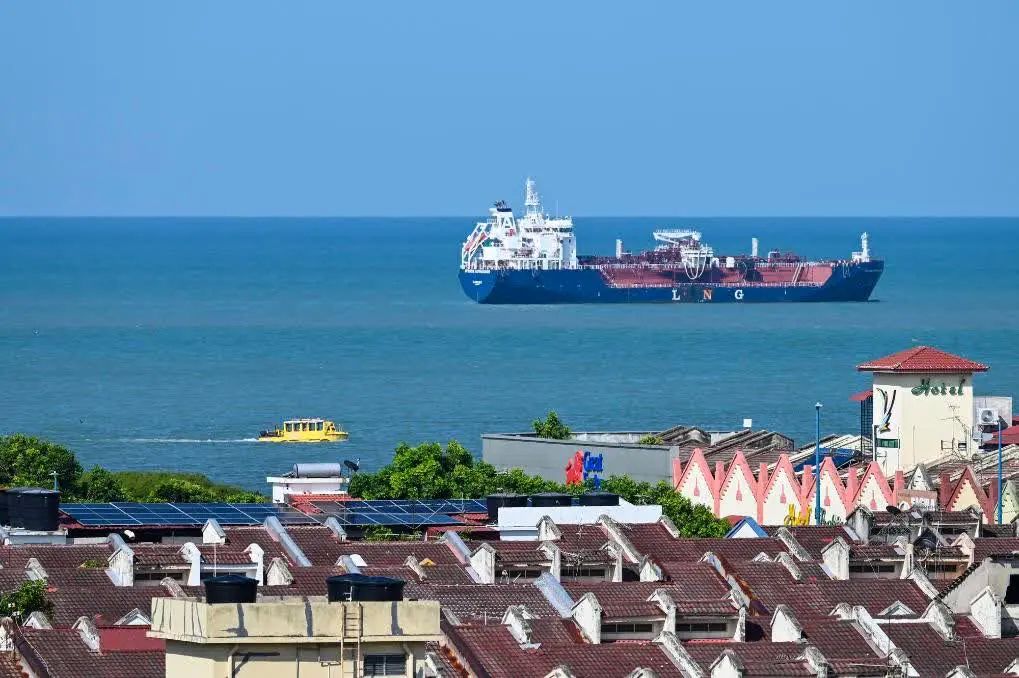
The Strait of Malacca is a 900-kilometer waterway that carries about 40 percent of global trade cargo.
To ease the financial crunch, Indonesian finance minister Purbaya Yudhi Sadewa proposed last month to charge ships passing the Strait of Malacca – an important route especially to Asia as it channels roughly 80 percent of crude oil imported to China, Japan, and South Korea. The proposal was quickly retracted after facing strong opposition.
𝗙𝗼𝗹𝗹𝗼𝘄 𝘁𝗵𝗲 𝗰𝗼𝗺𝗺𝘂𝗻𝗶𝘁𝘆 𝗼𝗳 𝗧𝗵𝗲 𝗦𝘁𝗮𝗻𝗱𝗮𝗿𝗱↓