Read More
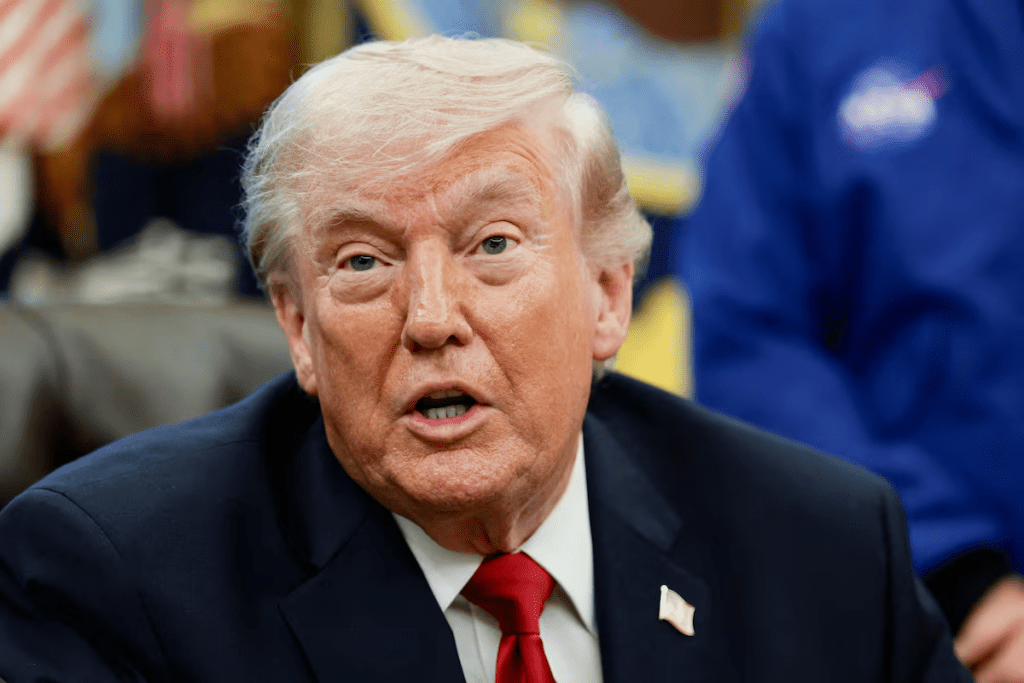
President Donald Trump warned Tehran on Wednesday that it should "get smart soon" and capitulate to Washington's demands for tight controls on its nuclear programme, as a US naval blockade turned the screws on Iran's economy.
ADVERTISEMENT
SCROLL TO CONTINUE WITH CONTENT
The United States could extend its naval blockade of Iran for months more, oil executives were told in a meeting with Trump, an official said, after press reports that he had rejected Iran's latest proposed deal to reopen the Strait of Hormuz.
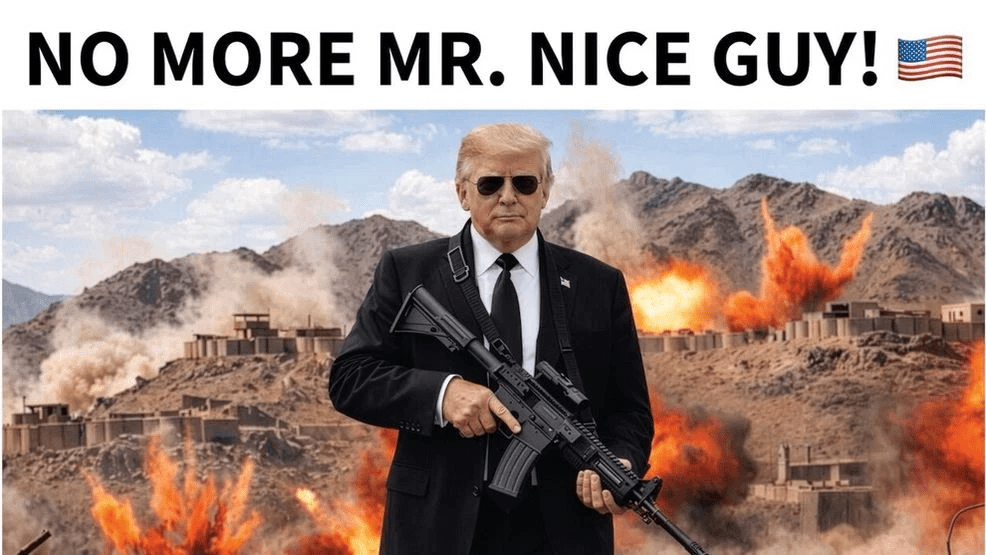
"Iran can't get their act together... They better get smart soon," Trump posted on his social media platform, above a mocked-up picture of himself toting a rifle in front of explosions wrecking a desert fortress and the slogan: "No more Mr. Nice Guy!"
According to the administration official, speaking on condition of anonymity, Trump discussed with the oil executives "steps we could take to continue the current blockade for months if needed and minimise impact on American consumers".
The news that peace talks were still stalled sent oil prices higher once again. At around 1335 GMT, a barrel of Brent crude for June delivery was up 5.16 percent at $117, its highest level since the fragile ceasefire between the United States and Iran came into effect on April 8.
The UN Development Programme, meanwhile, warned that the war, which has sent the price of energy and fertiliser soaring, could plunge more than 30 million people into poverty in 160 countries. "It's development in reverse," UNDP chief Alexander De Croo told AFP.
Iran has blockaded the strait -- a vital conduit for oil and gas shipments -- since the US and Israel launched the war two months ago, sending shockwaves through the global economy. But its own economy is also suffering.
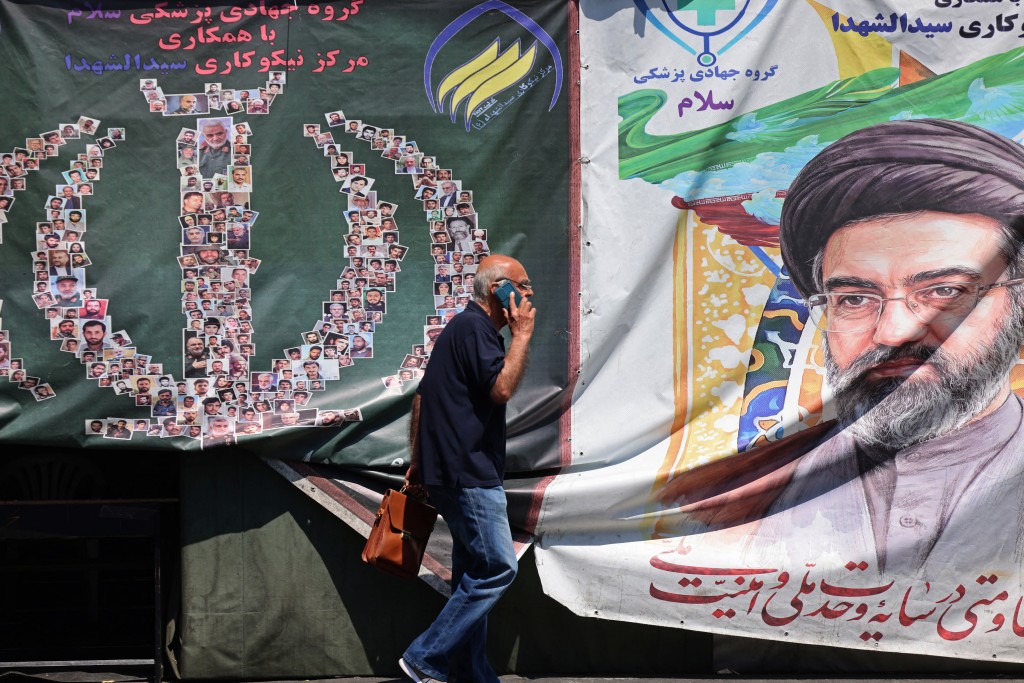
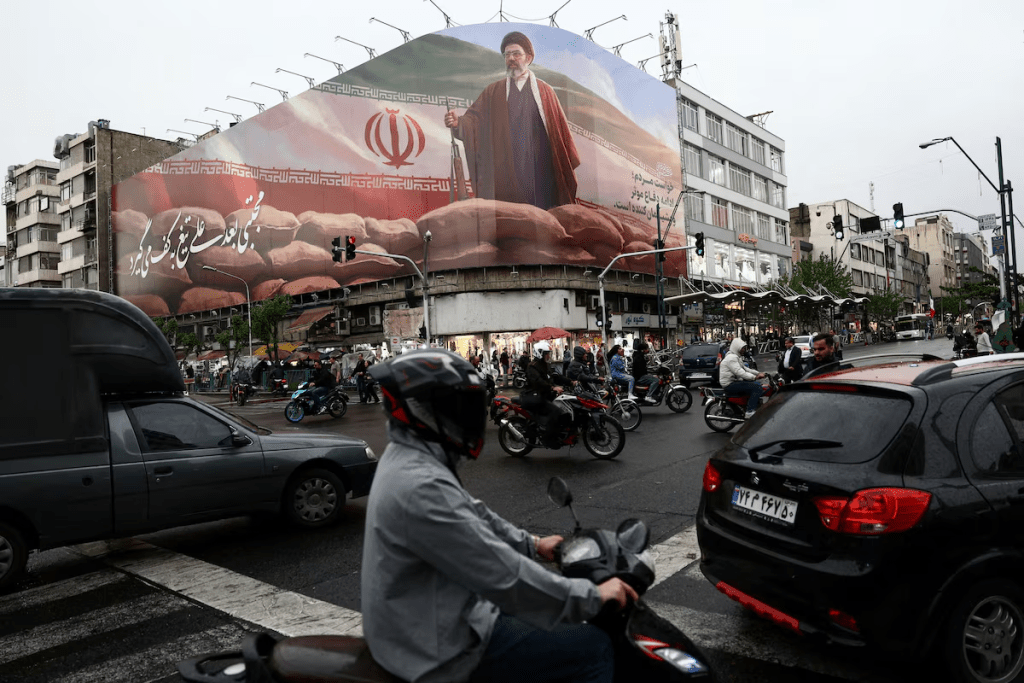
On Wednesday, the Iranian rial fell to historic lows against the dollar, while Tehran residents speaking to AFP journalists in Paris reported a sense of despair.
"Every time in recent years that negotiations have taken place, the economic situation of the people has only gotten worse. Sanctions have either started or intensified," a 52-year-old architect told AFP, speaking on condition of anonymity.
"They go to negotiate and come back with even more sanctions, and the issue is always nuclear. There's no talk about people, the economy or freedom. People have the right to not even want to hear the word 'negotiation'," he said.
While the war has roiled the global economy, it has also proved expensive for the US military, with the Pentagon on Wednesday putting the bill so far at $25 billion.
- 'No trust' -
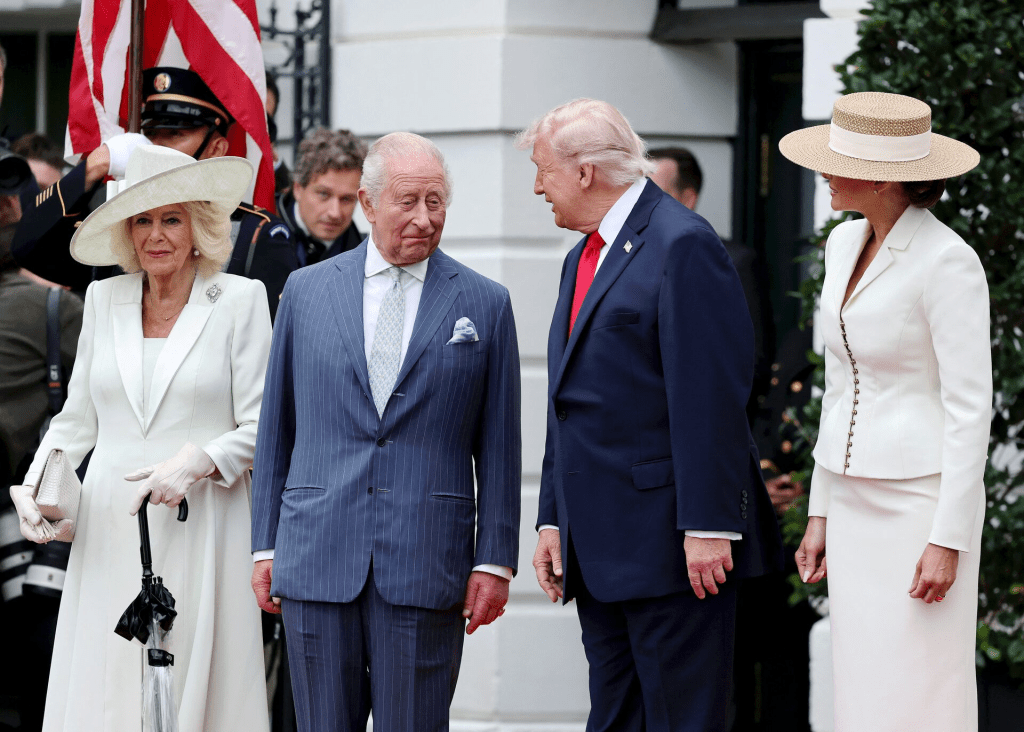
During a White House state dinner on Tuesday, Trump told Britain's King Charles III and other guests that Iran had been "militarily defeated", and added: "Charles agrees with me even more than I do -- we're never going to let that opponent have a nuclear weapon."
But an Iranian army spokesman told state TV on Tuesday that "we do not consider the war to be over", saying Tehran had "no trust in America".
"We have many cards that we have not yet used," Amir Akraminia said in an interview.
Efforts to end the war have stalled in recent days. The latest Iranian proposal, passed along by Pakistan and studied by Trump administration officials in a meeting on Monday, laid out red lines including on nuclear issues and Hormuz, according to Iran's Fars news agency.
The plan would reportedly see Tehran ease its chokehold on the strait and Washington lift its retaliatory blockade while broader negotiations continue, including over the nuclear programme.
Iran's speaker of parliament Mohammad Bagher Ghalibaf, who has emerged as a figurehead since the start of the Middle East war, said on Wednesday the United States' naval blockade of the country aimed to create division and "make us collapse from within".
He said Trump "divides the country into two groups: hardliners and moderates, and then immediately talks about a naval blockade to force Iran into submission through economic pressure and internal discord," and called for unity in response, state TV reported.
- 'Attacks cannot continue' -
Violence has continued on the war's Lebanese front, despite a recently extended ceasefire between Israel and Hezbollah, the Iran-backed armed group that drew Lebanon into the war by firing rockets at Israel. Israel responded with strikes and a ground invasion.
For the first time since the ceasefire began, the Lebanese army said on Tuesday that an Israeli strike had targeted its troops, wounding two soldiers in the south. Another strike on Wednesday killed a Lebanese soldier, it said.
"Israel must finally realise that the only path to security is through negotiations, but it must first fully implement the ceasefire in order to move on to negotiations," Lebanese President Joseph Aoun said, in a statement from the presidency.
"Israeli attacks cannot continue as they are," he said. "We are now waiting for the United States to set a date to begin direct negotiations."
A UN-backed report said on Wednesday that more than 1.2 million people in Lebanon were expected to face acute hunger due to the latest war.
AFP
𝗗𝗼𝘄𝗻𝗹𝗼𝗮𝗱 𝗧𝗵𝗲 𝗦𝘁𝗮𝗻𝗱𝗮𝗿𝗱 𝗔𝗽𝗽 ↓