Israel carried out its heaviest strikes on Lebanon since the conflict with Hezbollah broke out last month, killing more than 250 people on Wednesday even as the Iran-aligned group paused its attacks under a two-week U.S.-Iran ceasefire.
The strikes raised questions about regional truce efforts, with Iranian President Masoud Pezeshkian saying a ceasefire in Lebanon was an essential condition of his country's agreement with the United States.
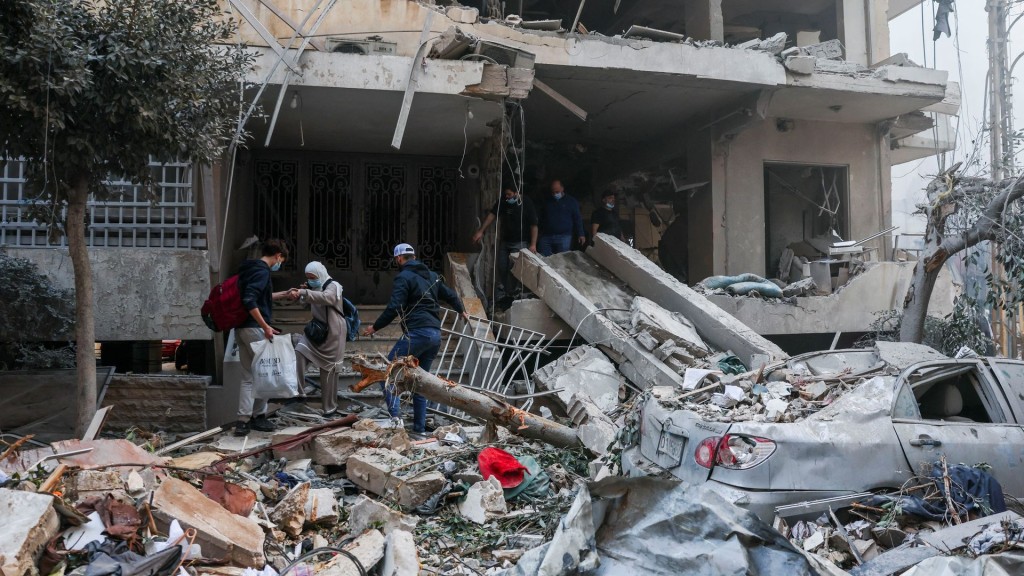
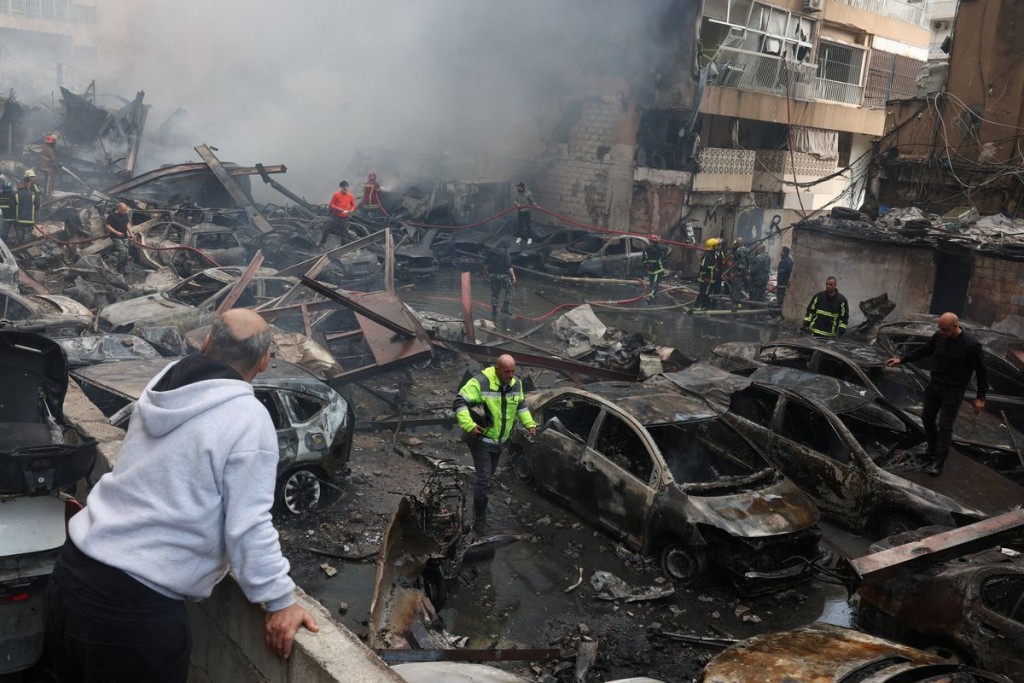
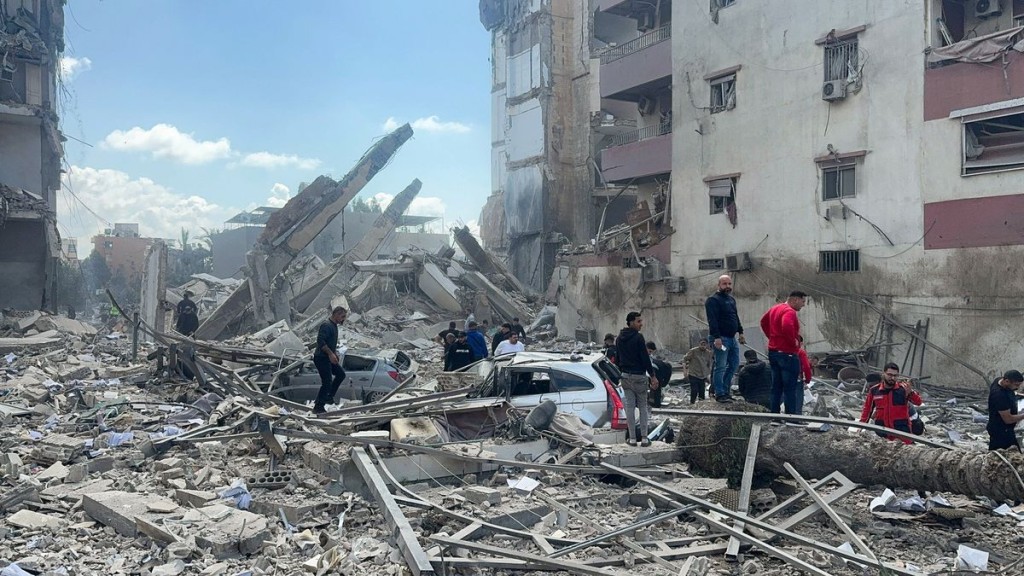
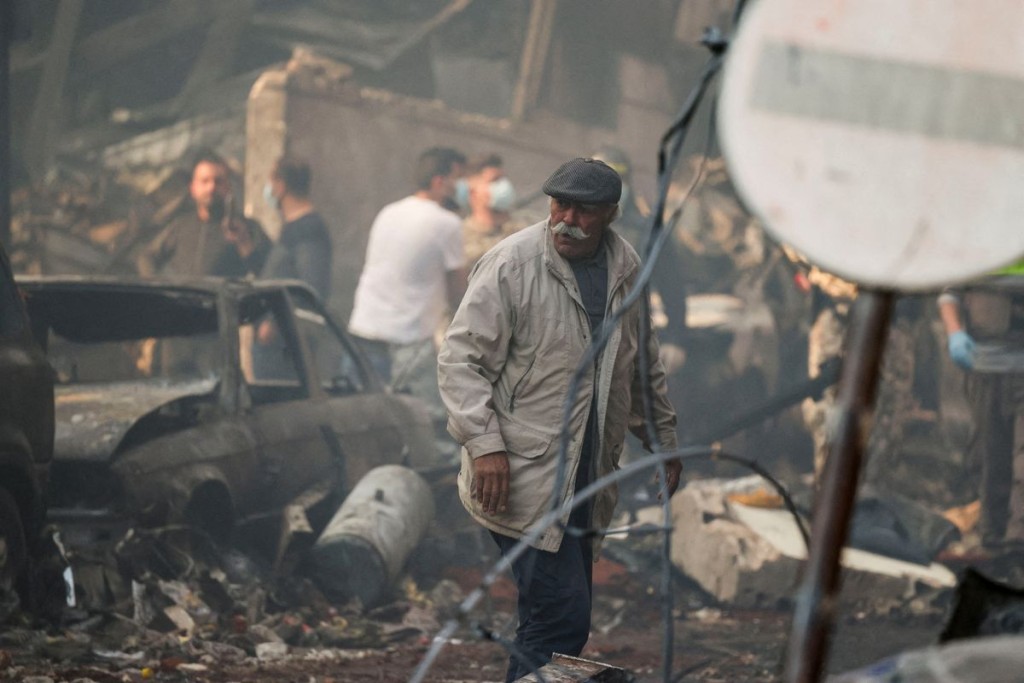
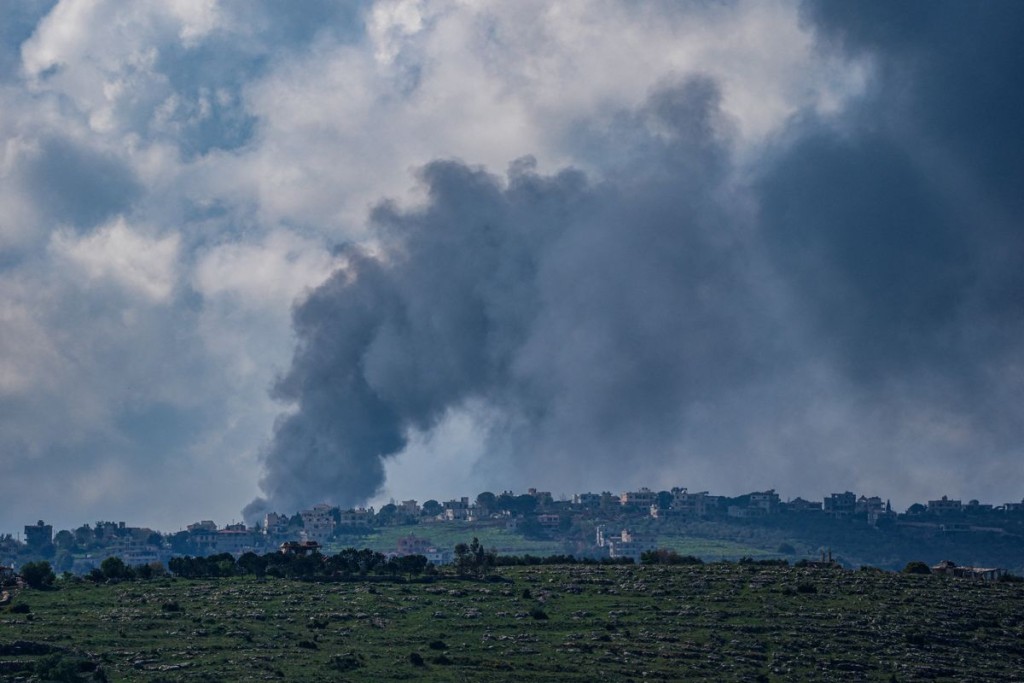
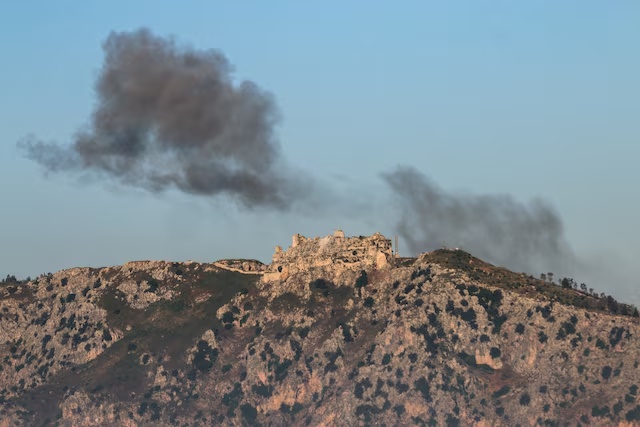
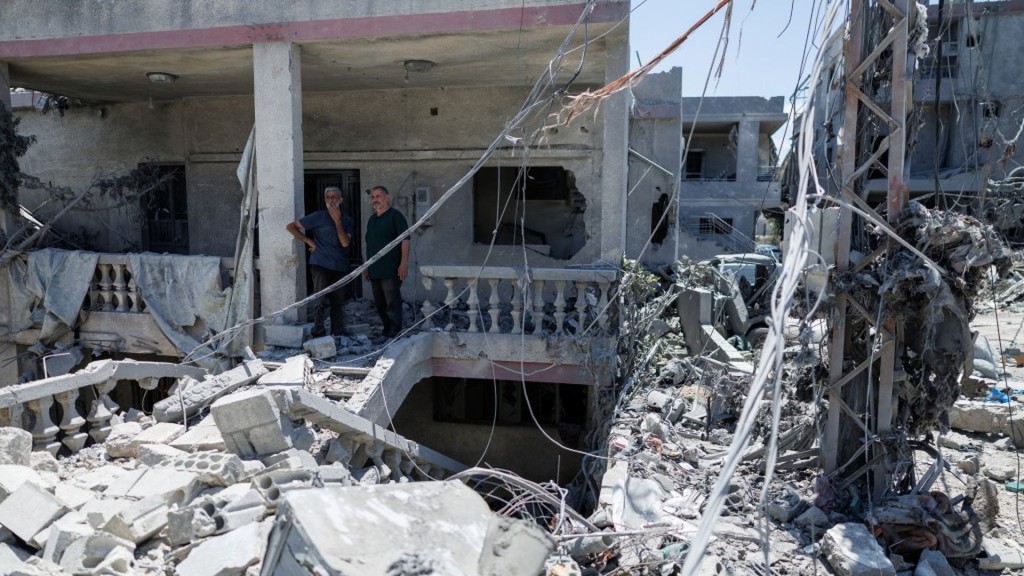
On Wednesday afternoon, at least five consecutive strikes rocked the capital Beirut, sending columns of smoke into the sky as Israel's military said it had launched the largest coordinated strike of the war. More than 100 Hezbollah command centres and military sites were targeted in Beirut, the Bekaa Valley and southern Lebanon within ten minutes, it said.
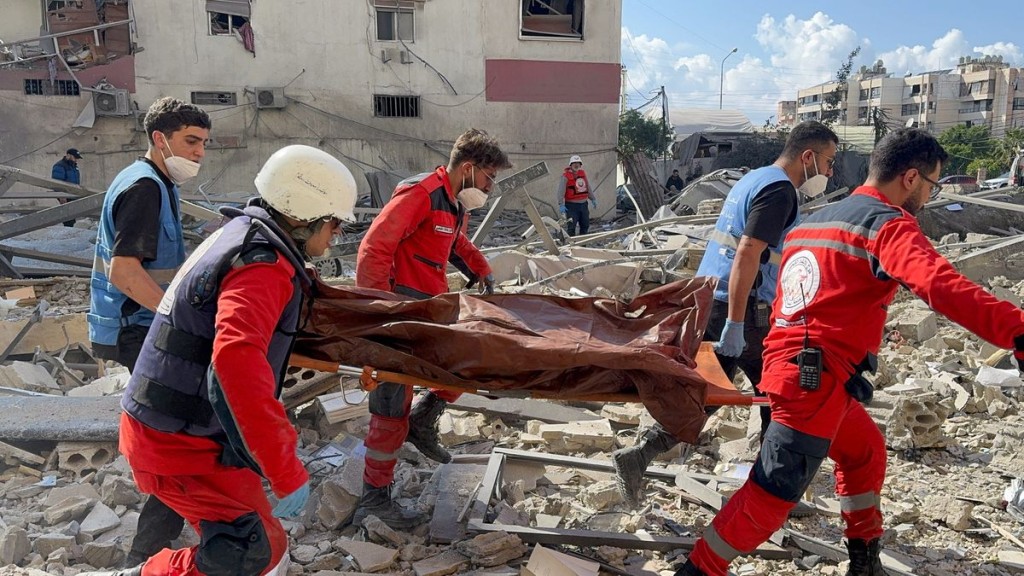
A total of 254 people were killed and over 1,100 wounded across Lebanon, the country's civil defense service said. The highest toll was in Beirut, where 91 people were killed. The health ministry gave a toll of 182 dead across the country and said it was not a final figure.
It was the deadliest day of the war that erupted on March 2, when Hezbollah fired into Israel in support of Tehran after the U.S.-Israeli attack on Iran two days earlier. Israel launched a fully fledged air and ground campaign in response.
Reuters reporters saw civil defense workers guiding an older woman onto a crane to evacuate her from a building in a western part of Beirut. Half of the building had been sheared off in an Israeli strike, leaving residents on the upper floors trapped.
Earlier, Reuters reporters saw people on motorcycles picking up the wounded and transporting them to hospitals because there were not enough ambulances to get to them in time. One of Beirut's biggest medical facilities said it needed donations of all blood types.
"The scale of the killing and destruction in Lebanon today is nothing short of horrific," said UN Human Rights Chief Volker Türk. "Such carnage, within hours of agreeing to a ceasefire with Iran, defies belief."
Late on Wednesday evening, a strike hit Beirut's southern suburbs, according to a Reuters live broadcast.
ISRAEL, US SAY LEBANON NOT INCLUDED IN TRUCE
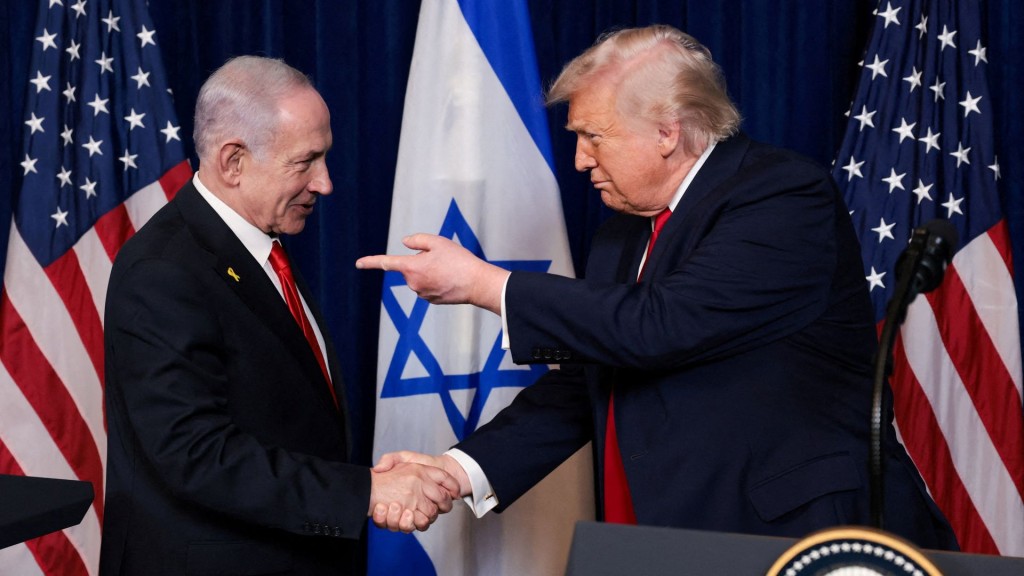
In a televised address on Wednesday evening, Israeli Prime Minister Benjamin Netanyahu said Lebanon was not part of the ceasefire with Iran and the Israeli military was continuing to strike Hezbollah with force.
White House press secretary Karoline Leavitt and Vice President JD Vance also said on Wednesday that Lebanon was not included in the truce.
"I think this comes from a legitimate misunderstanding. I think the Iranians thought that the ceasefire included Lebanon, and it just didn't," Vance told reporters in Budapest.
Earlier, Pakistani Prime Minister Shehbaz Sharif, a key intermediary in the U.S.-Iran ceasefire talks, had said the truce would include Lebanon.
In a statement, Hezbollah condemned what it called Israel's "barbaric aggression" and said the attacks underscored its right to respond.
Hezbollah had stopped attacking Israeli targets early on Wednesday, three Lebanese sources close to the group told Reuters. The group's last public statement on its military activity was posted at 1 a.m. (2200 GMT Tuesday), saying it had targeted Israeli troops inside Lebanon on Tuesday evening.
"Hezbollah was informed that it is part of the ceasefire – so we abided by it, but Israel as usual has violated it and committed massacres all across Lebanon," senior Hezbollah lawmaker Ibrahim al-Moussawi told Reuters.
Another Hezbollah lawmaker, Hassan Fadlallah, told Reuters there would be "repercussions for the entire agreement" if Israel's attacks continued.
Iran's Revolutionary Guards warned the U.S. and Israel it would deliver a "regret-inducing response" if attacks on Lebanon did not stop.
Lebanese President Joseph Aoun condemned Wednesday's strikes and said French President Emmanuel Macron had told him he was ready to make a diplomatic push for Lebanon to be included in any ceasefire.
A senior Lebanese official had earlier told Reuters that Lebanon had not taken part in correspondence leading up to the ceasefire.
'I'M LIVING A NIGHTMARE'
Most of Wednesday's strikes were in civilian-populated areas, Israel's military said. Hours before the attacks, the military had issued warnings for some areas of southern Beirut and southern Lebanon. No such warning was given for central Beirut, which was also hit.
Following the strikes, Israeli military spokesperson Avichay Adraee said on X that Hezbollah had moved out of its traditional Shi'ite stronghold in southern Beirut's Dahiyeh neighbourhood to religiously mixed areas elsewhere.
He said Israel's military would pursue Hezbollah wherever it was.
The Israeli military said it attacked a Hezbollah commander in Beirut, without providing further details.
In a western neighbourhood of Beirut that was hit by a strike, Naim Chebbo, 51, swept up shards of glass that had been blown out of the window frames by the force of the blast.
"Tonight I'm not going to sleep because I'm going to be afraid that it's happening again. I'm living a nightmare," he told Reuters.
'LEBANON CAN'T TAKE IT ANYMORE'
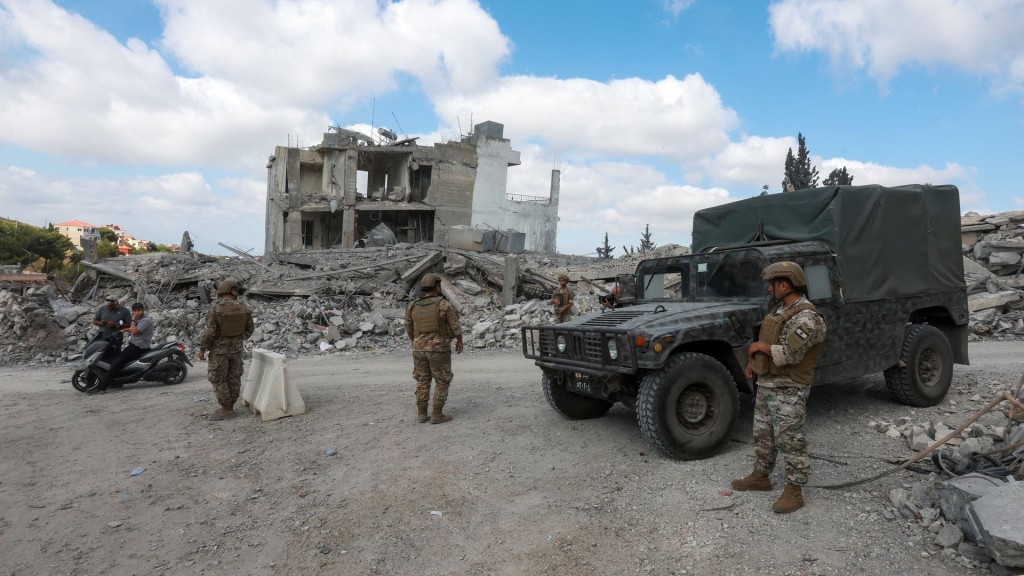
Israel also struck the last remaining bridge linking southern Lebanon to the rest of the country on Wednesday, a senior Lebanese security source said. The bridge ran over the Litani River, which runs about 30 kilometres (20 miles) north of the border with Israel.
An Israeli military spokesperson said the area south of the Litani was "disconnected from Lebanon."
Israel has said it intends to occupy the area as a "buffer zone." It has struck hospitals and power stations there, and thousands of Lebanese civilians still living there say they have been struggling with a shortage of food and medicine.
Israel has issued evacuation orders covering around 15% of Lebanese territory, mostly in the south and in suburbs south of Beirut. More than 1.2 million people have been displaced.
Many had hoped a ceasefire could allow them to return. Outside a school sheltering displaced people in the southern Lebanese city of Sidon, people had piled their pillows and blankets onto cars, thinking they could return home.
Before Wednesday's attacks, more than 1,500 had been killed in Israel's air and ground campaign across Lebanon, including more than 130 children.
"Hopefully a ceasefire will be reached," said Ahmed Harm, a 54-year-old man displaced from Beirut's southern suburbs. "Lebanon can't take it anymore."
Reuters