Thailand’s Pheu Thai Party defended its controversial “nine new millionaires a day” policy on Monday, describing it as a strategic initiative to draw citizens into the formal economy rather than a simple cash giveaway, with projected annual value-added tax (VAT) gains of at least 200 billion baht (around HK$50 billion).
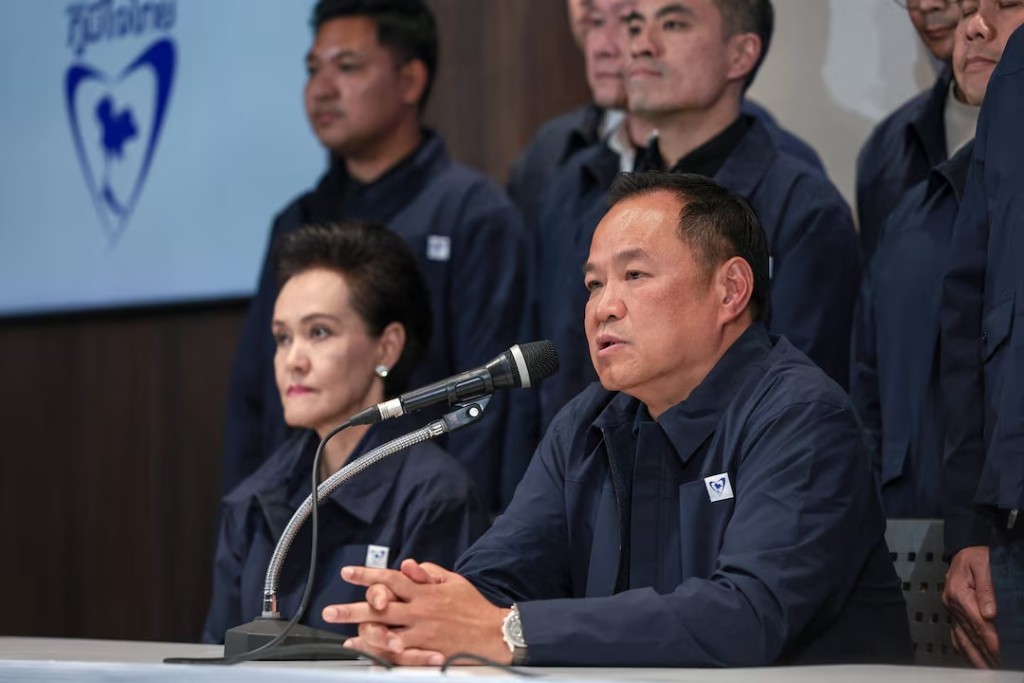
Party leader and prime ministerial candidate Julapun Amarnvivat addressed mounting criticism of the policy, which aims to award nine people 1 million baht per day, during a press conference on Monday (Jan 26).
Julapun rejected characterizations of the policy as a “no-strings-attached giveaway,” calling it instead the “final jigsaw piece” in transforming Thailand into a high-income nation.
The policy’s primary objective, according to Julapun, is to incentivize voluntary participation in the formal economy and tax system, generating big data to be used to develop economic policy, welfare programs and a long-term digital government strategy.
The policy has sparked debate among economists and political observers since its announcement, with critics questioning its fiscal sustainability and effectiveness in achieving long-term economic reform.
“This is not cash handouts,” he stressed. “It uses hope and the opportunity to become a millionaire as an incentive for people to enter the system.”
He noted that when the data are strong, the state can develop a higher-value economy, deliver welfare more accurately, and sustainably increase national income.
(Staff reporter and The Nation)