Read More










65 arrested as police bust illegal nightclub and gambling dens
12-07-2026 19:00 HKT
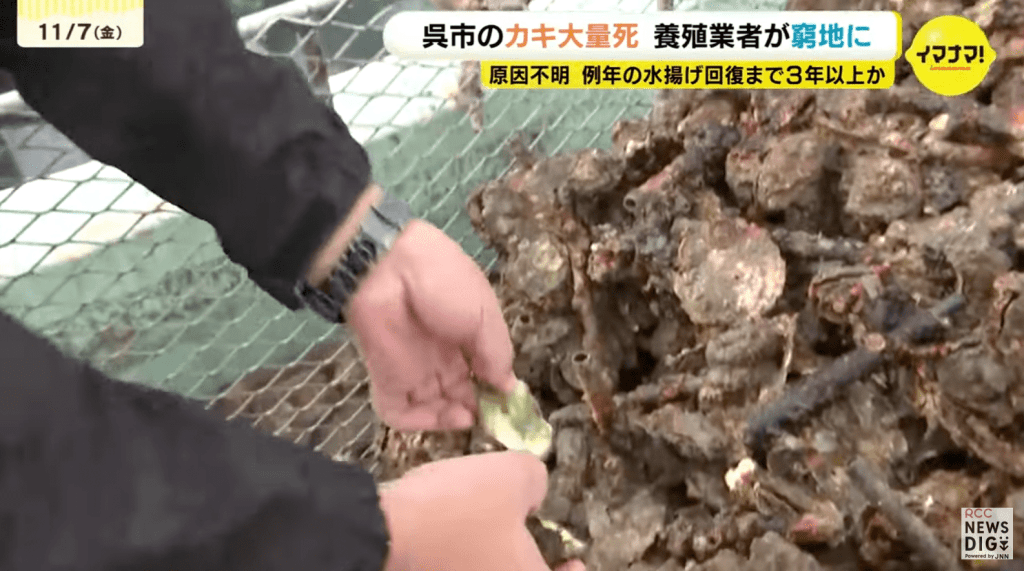
Hiroshima Prefecture, Japan's largest oyster farming region, is experiencing mass oyster die-offs that officials describe as reaching "disaster-level" proportions.
Fishermen in areas including Kure City's Ondo Bridge and the eastern waters of Kurahashijima have reported pulling up strings of oysters with shells gaping open and empty. One veteran farmer told NHK that what would normally yield over 200 kilograms of shelled oysters from about 100 lines now produces only around 30 kilograms, with surviving oysters discolored brown and unsellable.
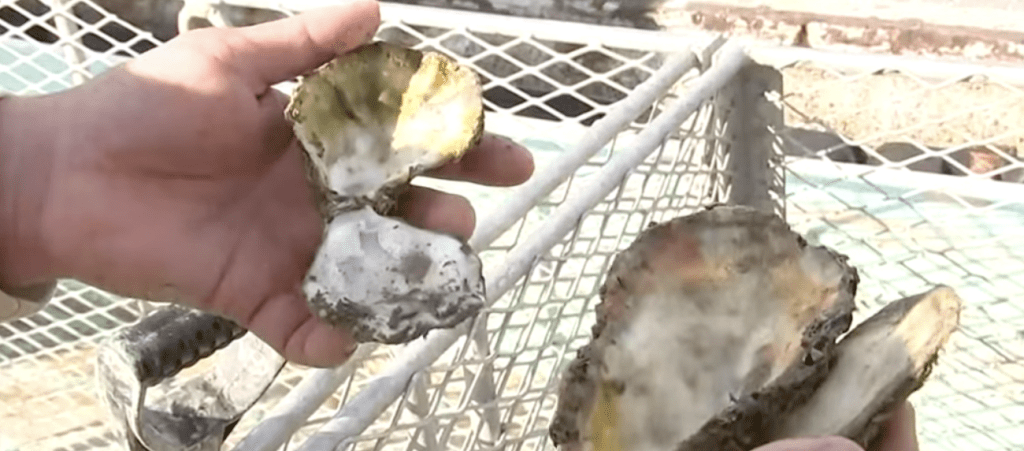
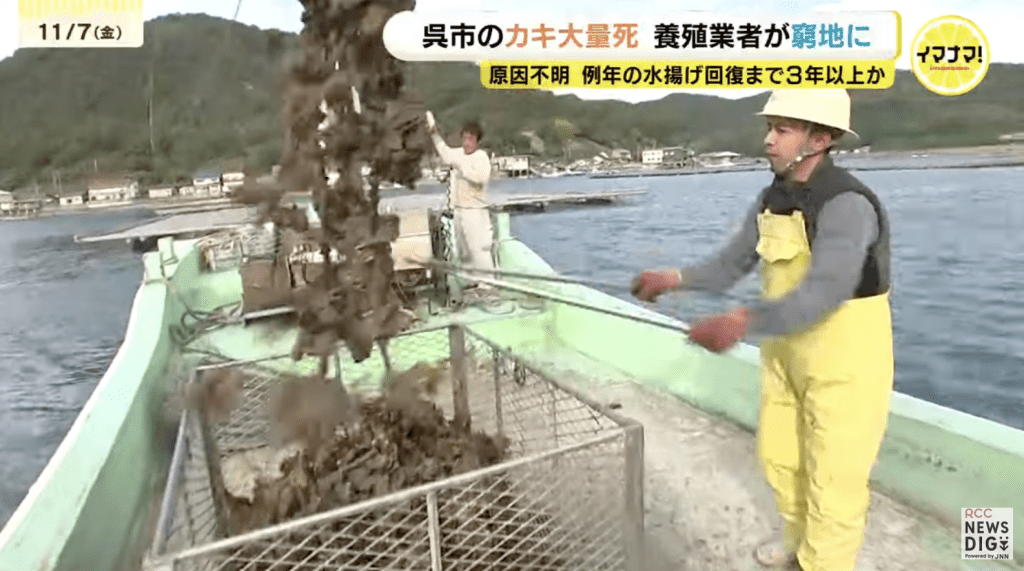
The Hiroshima Prefectural Fisheries and Marine Technology Center attributes the die-off to this summer's extreme heat, which caused prolonged high seawater temperatures combined with minimal rainfall that sharply increased salinity. These dual stressors caused physiological damage to the oysters, preventing growth and leading to mass mortality.
Japan's Agriculture, Forestry and Fisheries Minister Shun'ichi Suzuki visited Higashihiroshima City on Tuesday to inspect the damage, where farmers reported up to 90 percent mortality in some fishing grounds. Hiroshima Governor Hidehiko Yuzaki emphasized the situation has reached disaster levels, urging national support to protect the "Hiroshima = Oysters" brand.
Data from the Fisheries Agency shows similar above-average mortality rates in other Seto Inland Sea prefectures including Ehime, Kagawa and Hyogo, with officials pointing to unusually high water temperatures, insufficient food sources and decreased oxygen levels as contributing factors.
The Japanese oyster industry is monitoring whether the situation will further impact harvests, concerned that production declines could affect domestic supply from year-end through early next year and potentially impact export markets.