Read More














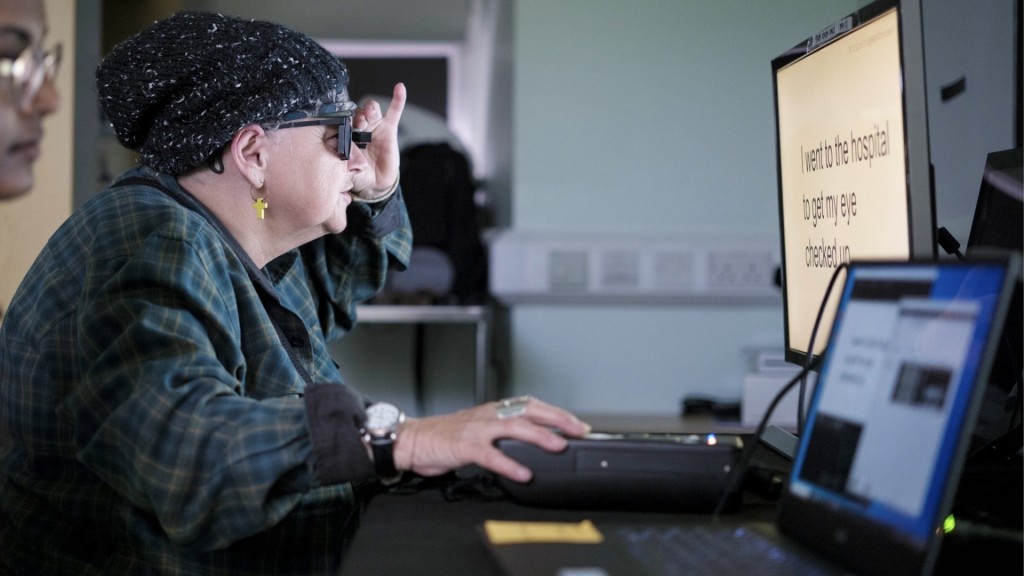
A key clinical trial of a new electronic eye implant has achieved significant results. Patients who lost vision from geographic atrophy caused by dry age-related macular degeneration (AMD) regained sight after receiving microscopic device implants, with most able to read an average of five lines on an eye chart.
The research published in the New England Journal of Medicine has encouraged doctors who consider this "represents a new era in the history of artificial vision."
Eighty-four percent of implanted patients regained vision. London's Moorfields Eye Hospital, one of 17 participating institutions, reported consultant ophthalmic surgeon Mahi Muqit stating: "This is unprecedented - blind patients achieving meaningful central vision recovery."
AMD causes gradual vision loss as macular cells die and the central macula deteriorates. The disease represents the leading cause of vision loss in people over 50, with no current treatment available.
The trial involved 38 patients from multiple hospitals across the UK, Germany, France, Italy and the Netherlands. All had lost central vision with limited peripheral vision before implantation surgery, having geographic atrophy from dry AMD.
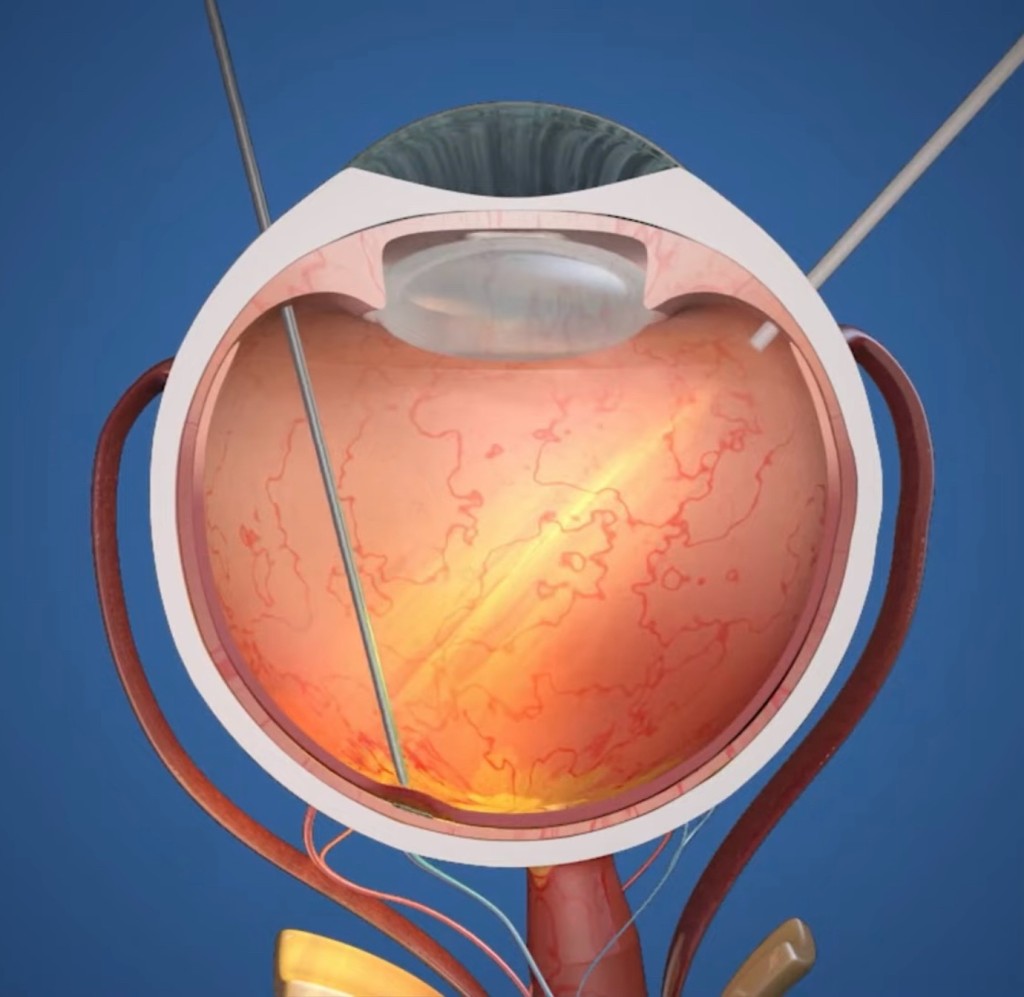
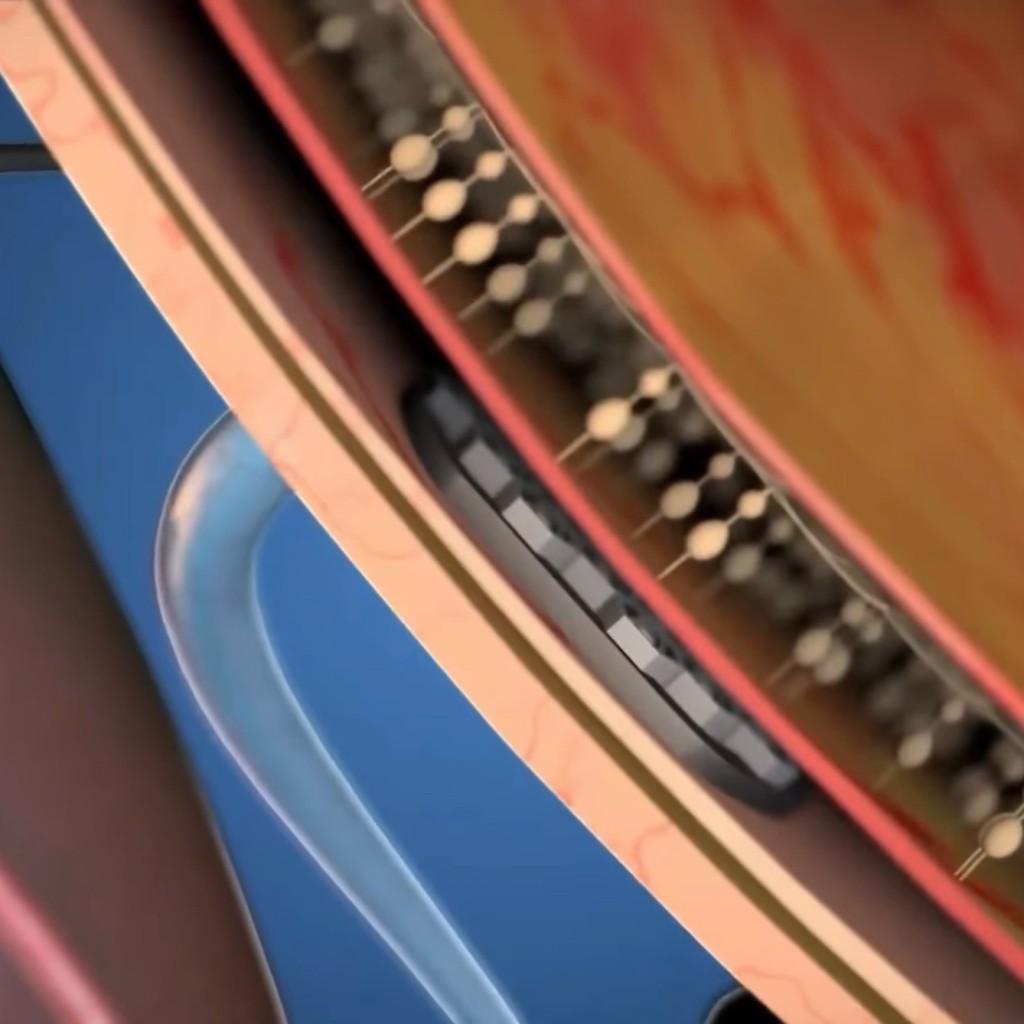
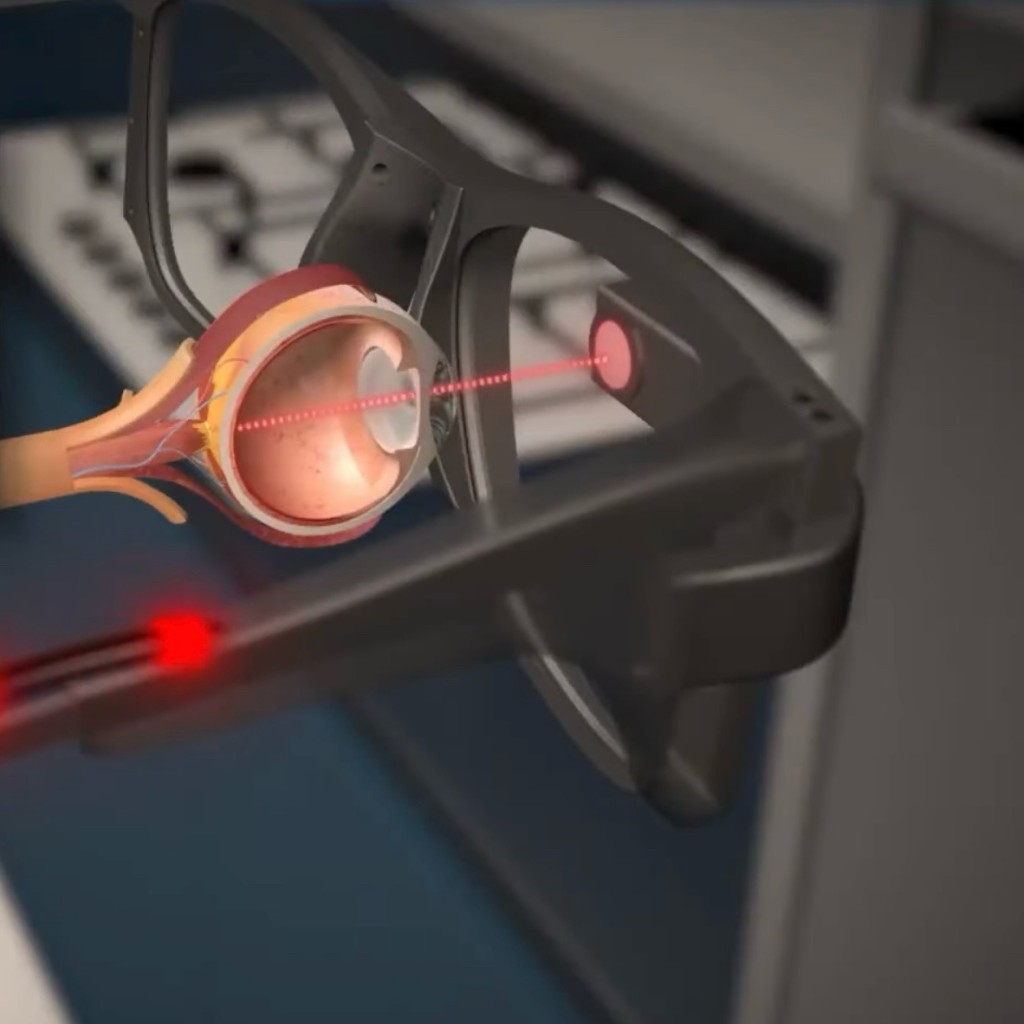
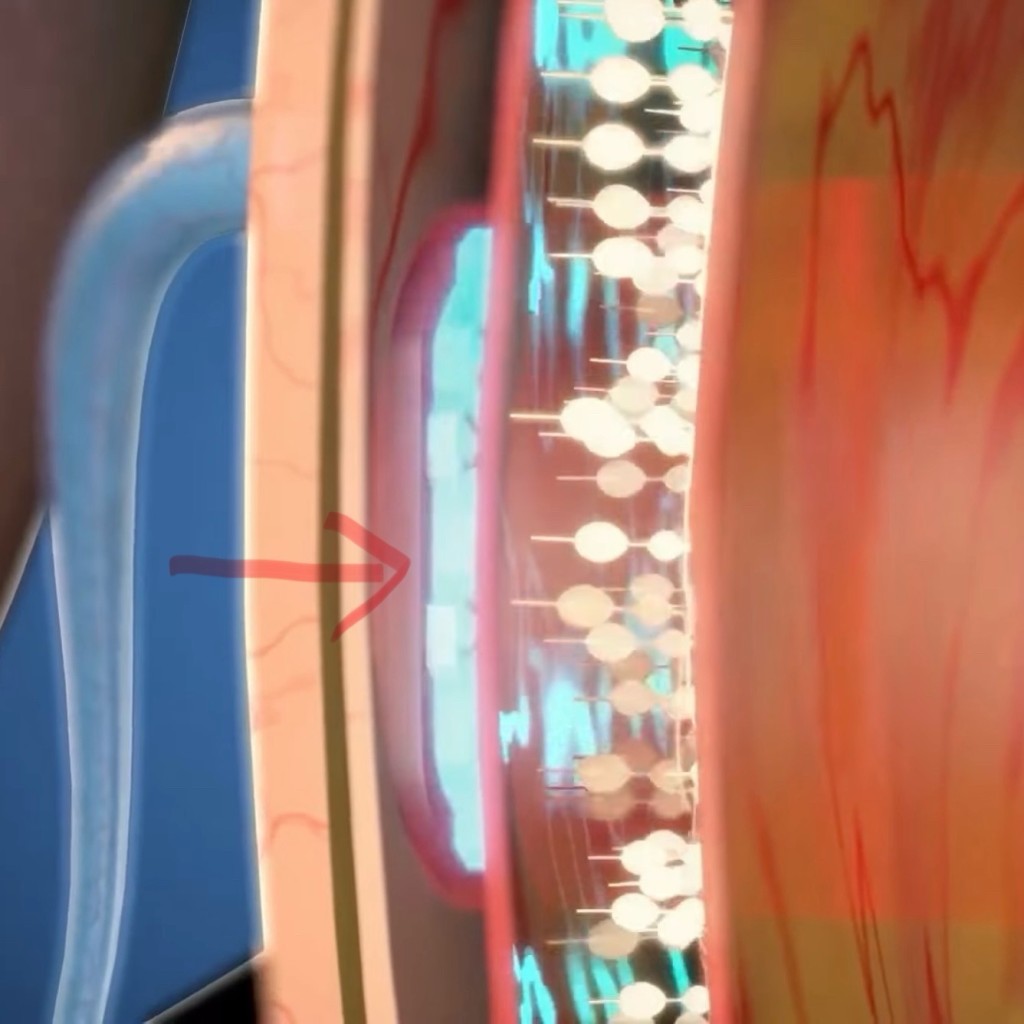
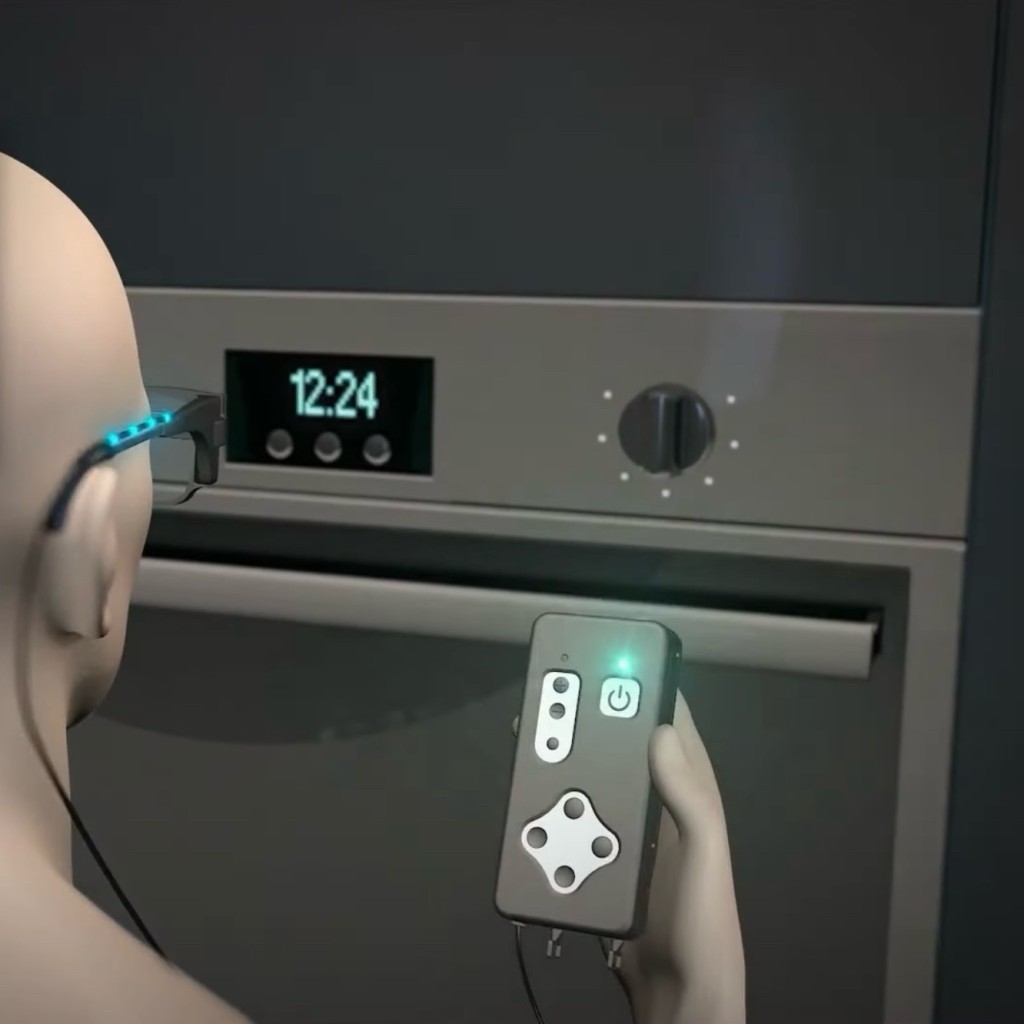
The ultra-thin miniature Prima device measures only 2mm by 2mm. Doctors placed it beneath the central retina through vitrectomy surgery taking under two hours. Paired with augmented reality glasses containing a zoom-capable camera assisting reading and writing, patients can see again. Users focus the glasses to scan objects, activating the device where computer AI converts information into electrical signals transmitted through retinal cells and optic nerves to the brain.

Patient Sheila Wilson from Wiltshire expressed excitement about restored vision, describing pre-implantation eyes as "like having two black discs with everything distorted outside." The former bookworm noted feeling the procedure without pain and anticipating regained reading ability.
Muqit emphasized patients require eye training and intensive rehabilitation therapy to fully benefit from the new technology, noting "You don't just put a chip in the eye and get vision back. You need to learn to use this vision."